AUTOOL Blog, Purchase Guides, Tips & Tutorials
How to Know When Your Car Really Needs a Transmission Fluid Change

November 27, 2025
Share:
 autoolstore.com
Many car owners pay extra attention to engine oil maintenance, but often ignore the importance of transmission fluid. Transmission fluid lubricates internal parts, cools the system, cleans debris, and helps deliver power smoothly.
Once the fluid becomes old or dirty, the car may experience hard shifting, slipping, abnormal noise, reduced power transfer, or even serious transmission failure. Repairing a damaged transmission can cost far more than routine service.
This guide explains how to decide when your car really needs a transmission fluid change so you can avoid wasting money or missing the best maintenance time.
Service interval
Many drivers believe the idea of lifetime transmission fluid, but this is mostly a marketing phrase. Lifetime usually refers to the designed life of the transmission under specific assumptions, not the automatic transmission fluid inside it. All types of fluids oxidize and lose performance over time, so transmission fluid service is still necessary.
Different types of transmissions require different replacement intervals. Manual transmission fluid is more stable and usually needs changing every 60,000-80,000 km. Automatic transmission fluid, including AT and CVT, is more sensitive, so an automatic transmission fluid change is recommended every 40,000-60,000 km. Wet dual-clutch transmissions need fluid changes every 40,000-60,000 km, while dry DCTs can often go 60,000-80,000 km.
The best reference is always your car’s manual. It gives the most accurate transmission fluid inspection interval for the specific vehicle.
When to inspect
Besides mileage, your car will also show warning signs when a transmission fluid exchange is needed. If you notice any of the signs below, it is time for a transmission fluid inspection or change.
Gear shifts should be smooth. If you feel jerking, hesitation, or delay during shifting, the automatic transmission fluid may have lost viscosity. Poor lubrication increases friction and reduces smooth power delivery. This is especially noticeable in cold weather because old fluid becomes thick. A quick transmission fluid service can help restore performance.
If you hear humming, buzzing, or metal rubbing noises near the transmission area, the fluid may not be providing enough lubrication. Without good lubrication, parts can run dry and create noise. Ignoring this can damage gears or bearings, while timely transmission fluid replacement helps prevent more serious damage.
You can also check the fluid condition directly. Fresh automatic transmission fluid is usually clear red or light yellow. Over time, it becomes dark, brown, or even black. Cloudy fluid or visible debris means the fluid has oxidized and needs a transmission fluid change immediately. Warm up the car, pull out the dipstick if your vehicle has one, and check color and smell.
Old transmission fluid reduces power transfer efficiency. The engine must work harder, which increases fuel consumption. You may also feel slow acceleration or weak power response. If other systems are normal, this is often a sign that transmission fluid service or transmission fluid exchange is needed.
Many modern cars show a warning light when automatic transmission fluid is low or degraded. If the transmission warning light or AT symbol appears, do not ignore it. Go to a professional shop for a transmission fluid inspection and fault code diagnosis. Delaying transmission fluid replacement could lead to major repair costs.
Replacement details
Once you confirm the fluid needs changing, there are a few things to be careful about.
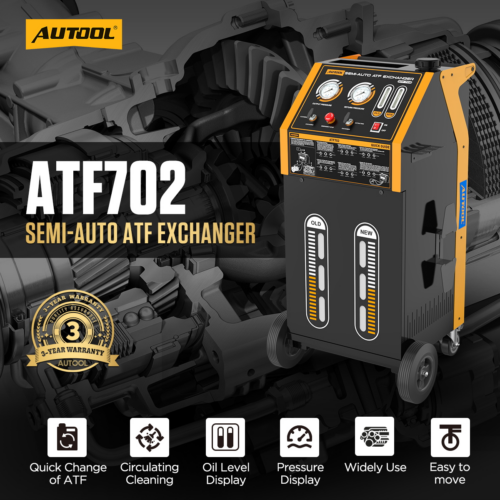
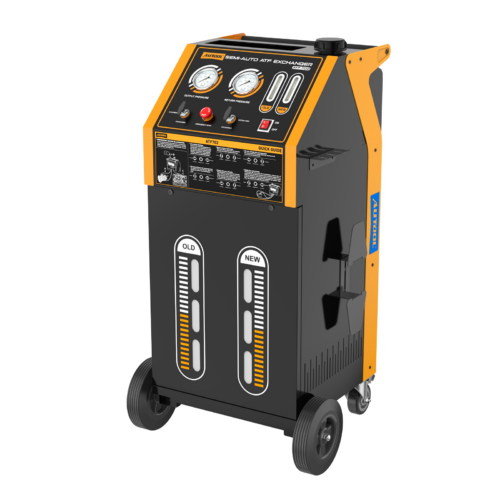
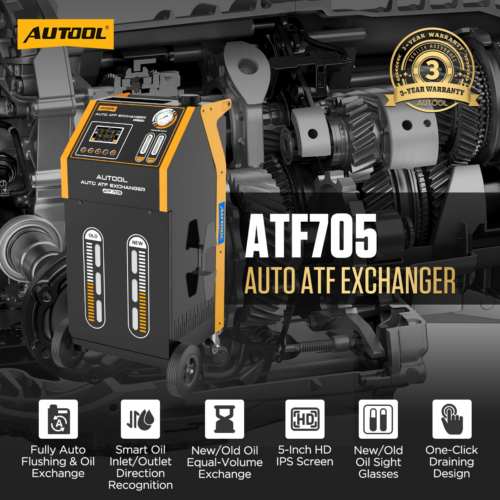
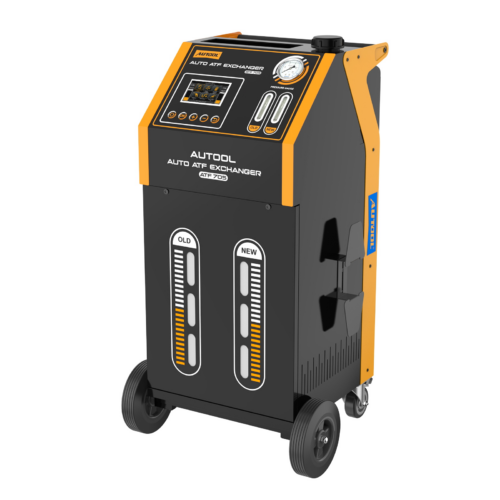
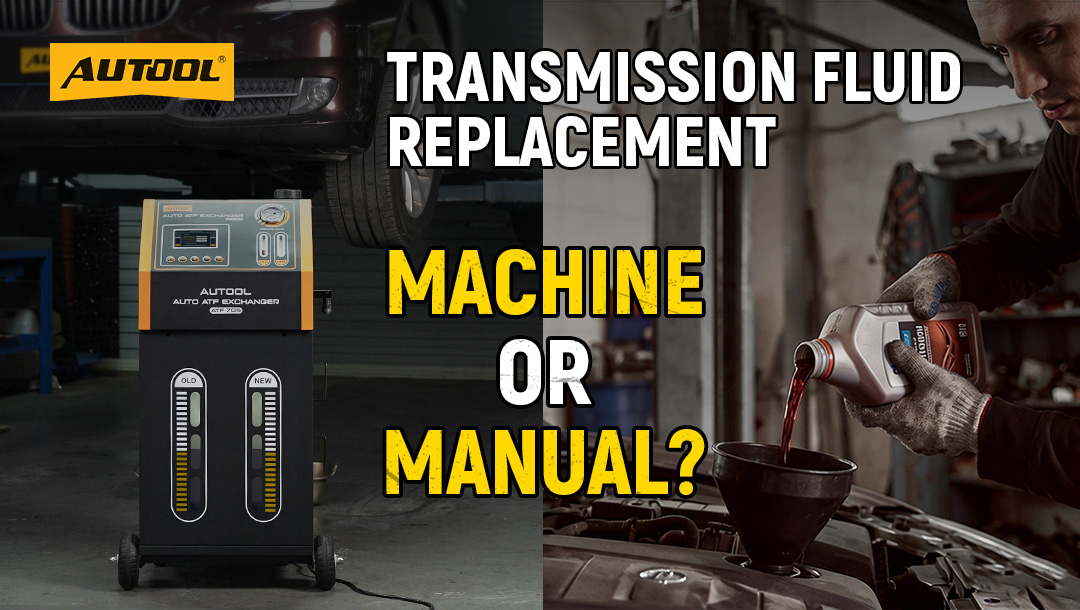
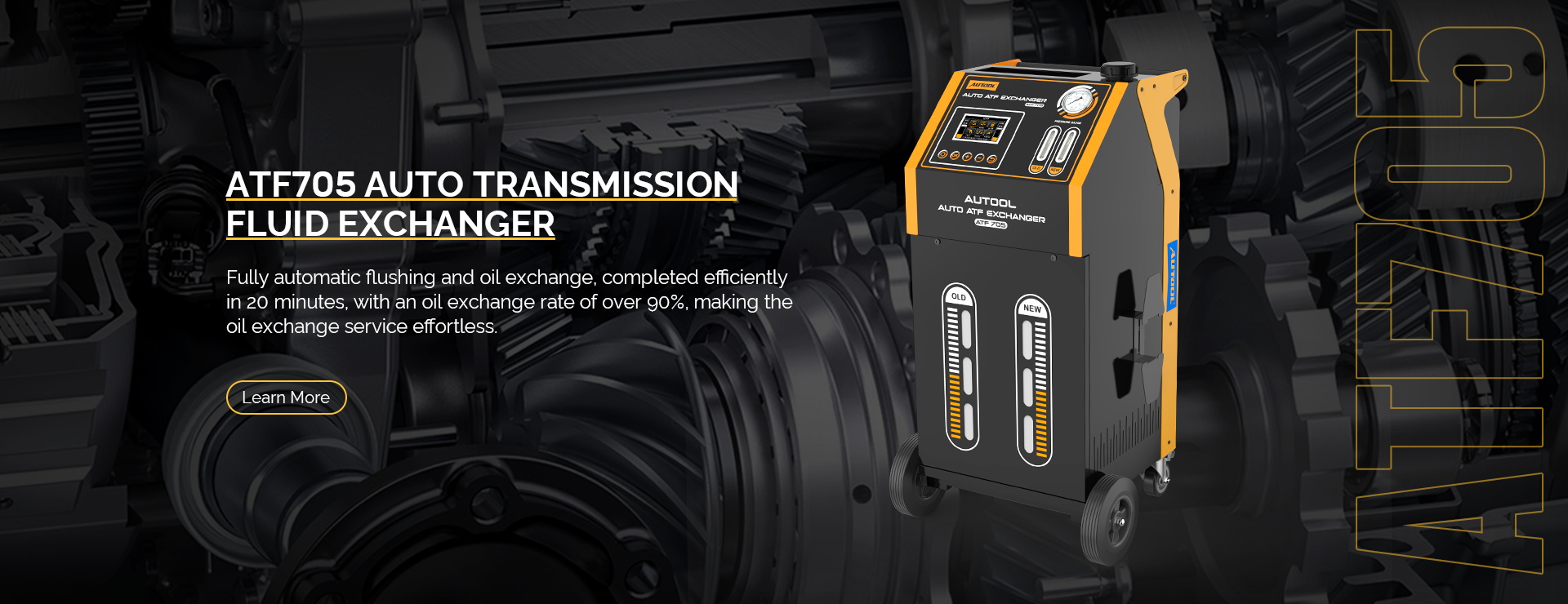
If you would like to learn more about the AUTOOL ATF Transmission Fluid Changer, please contact us via email or WhatsApp.
A transmission fluid change should be based on mileage, transmission type, fluid condition, warning lights, and driving symptoms. If you notice hard shifting, noise, dirty fluid, higher fuel consumption, weak power, or a transmission warning light, arrange an inspection promptly.
Using the correct fluid and proper exchange method helps protect the transmission, improve shifting, and reduce the chance of expensive failure.
Related Products
Rendered through WooCommerce product shortcode so the cards inherit the same product-card structure used by the reference post.