AUTOOL Blog, Novinky a udalosti
Typy zdvíhacích plošin pre autá: Kompletný sprievodca typmi zdvíhacích plošin pre autá

21 decembra, 2025
Zdieľať:
 autoolstore.com
Hlavné typy štruktúr
S rastúcim počtom vlastníkov vozidiel a potrebami opravy sa trh s automobilovými zdvíhacími plošinami neustále vyvíja. Na základe konštrukcie a funkcie sa automobilové zdvíhacie plošiny delia na niekoľko hlavných typov a každý typ má svoje vlastné konštrukčné výhody.
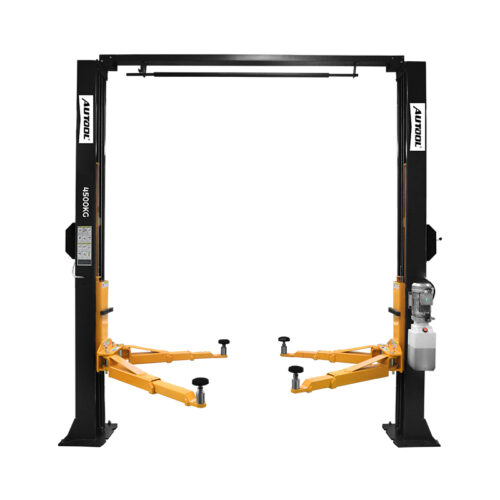
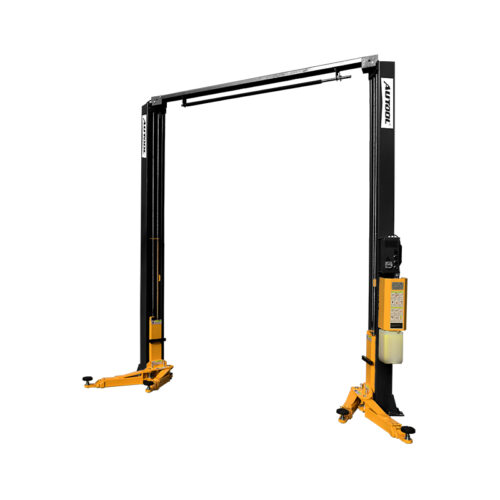
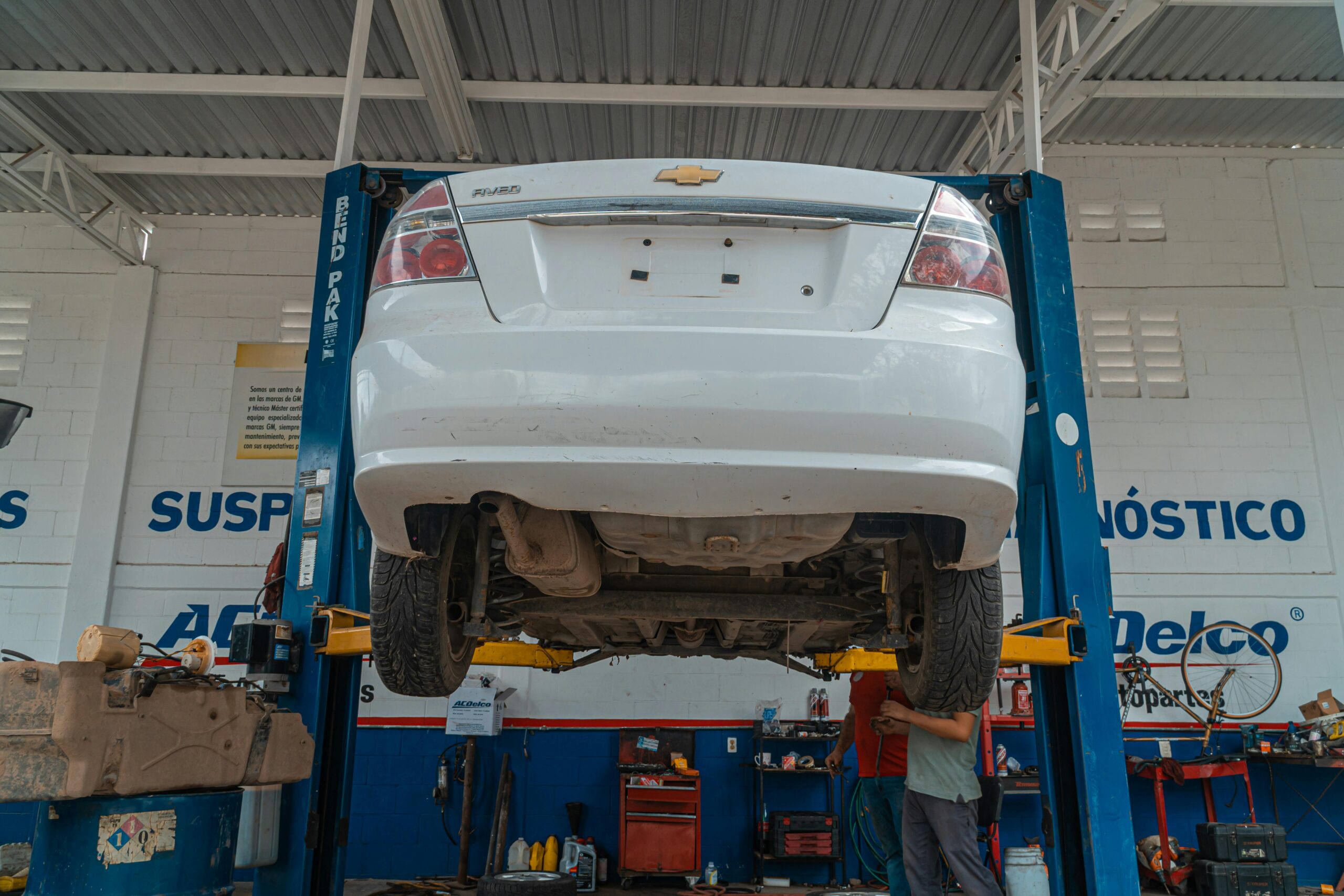
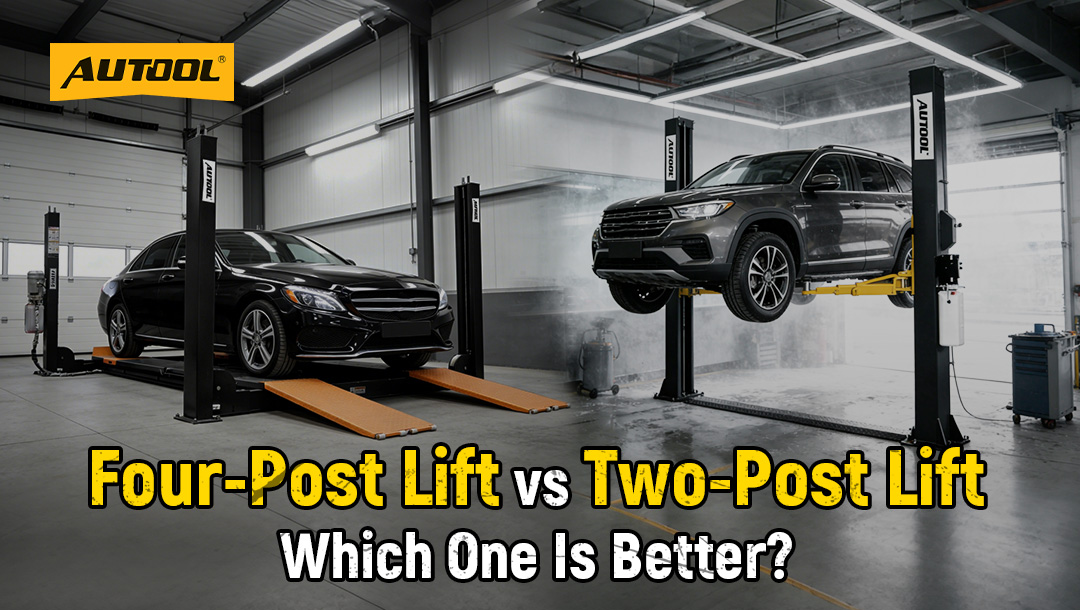
2 Portálové plošiny, vrátane portálových, patria medzi najčastejšie používané typy. Ich základná konštrukcia pozostáva z dvoch zvislých stĺpov a výsuvných zdvíhacích ramien, pričom zdvíhanie a spúšťanie zabezpečujú hydraulické valce vo vnútri stĺpov.
Jeho najväčšou výhodou sú kompaktné rozmery. Nevyžaduje si nadmerný dielenský priestor, takže sa dobre prispôsobí mnohým miestam inštalácie. Má tiež relatívne prijateľnú cenu, vďaka čomu je preferovanou voľbou pre všeobecné opravovne a miestne rýchloservisné garáže.
Hlavným upozornením je inštalácia základu. Pre bezpečnú a stabilnú prevádzku je potrebný pevný a stabilný základ.
4 Výťah pre stĺpové vozidlá používa ako hlavnú nosnú konštrukciu štyri zvislé stĺpy, spárované s hornými priečkami a hydraulickým pohonným systémom. Jeho nosnosť je vo všeobecnosti vyššia ako 2 stĺpik. Štandardné modely zvyčajne dokážu podoprieť 3 k 5 ton, zatiaľ čo varianty pre vysoké zaťaženie zvládnu zaťaženie presahujúce 10 ton.
Táto konštrukcia je vhodná na opravy veľkých SUV, nákladných vozidiel a minibusov. Je tiež silným doplnkom pre geometriu všetkých štyroch kolies, pretože presné riadenie horizontálnej úrovne pomáha podporovať presné údaje o geometrii. Niektoré modely obsahujú funkciu sekundárneho zdvíhania, ktorá zvyšuje pohodlie technika počas servisu.
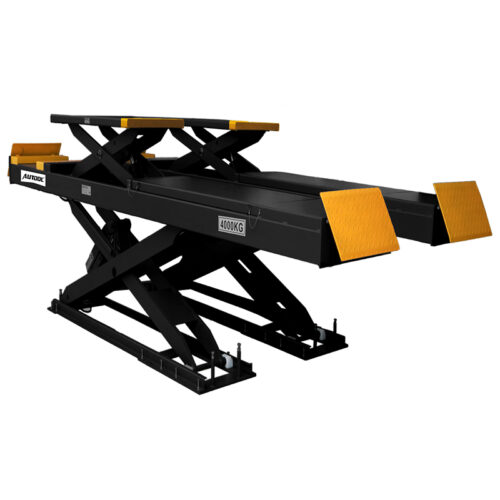
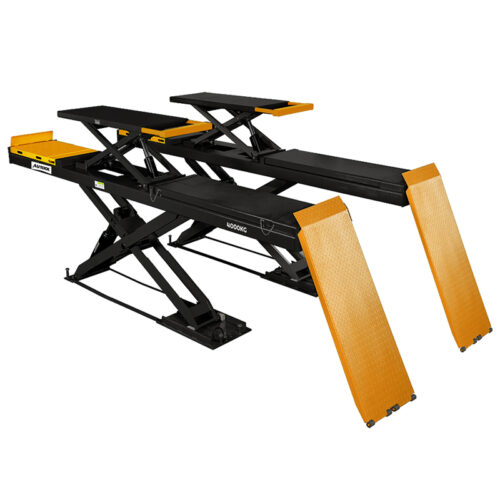
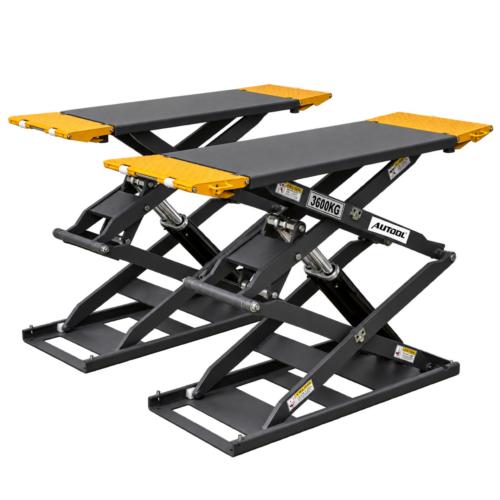
Automobilový nožnicový zdvihák používa mechanickú konštrukciu nožnicového typu. Možno ho rozdeliť na zapustený do zeme a povrchový typ, s ďalšími kategóriami, ako sú veľké nožnicové zdviháky a nízkopodlažné nožnicové zdviháky pre automobily.
Hlavnou výhodou je kompaktná konštrukcia. Ultratenký nízkopodlažný nožnicový zdvihák pre autá môže mať minimálnu výšku približne 220 mm, takže naň môžu vozidlá ľahko jazdiť. Zaberá málo miesta a možno ho umiestniť v blízkosti recepčných priestorov pre predbežné kontroly alebo v priestoroch pre rýchly servis pre zvýšenie efektivity.
Veľké nožnicové zdviháky môžu dobre fungovať aj so štvorkolesovými nastavovačmi geometrie. S výškou zdvihu až do približne 2,1 metra poskytujú praktický prevádzkový priestor pod karosériou a zároveň vyvažujú flexibilitu a použiteľnosť.
Jednostĺpové zdviháky sú určené na čiastočné zdvíhanie a sú dostupné v mobilných a pevných modeloch. Môžu zdvihnúť jednu stranu vozidla, vďaka čomu sú užitočné pri výmene pneumatík a lokálnych kontrolách podvozku bez toho, aby zaberali veľa miesta.
Viacstĺpové zdvíhacie plošiny sú určené pre veľké železničné dopravné prostriedky, ako sú vlaky a ľahké železničné súpravy. Vďaka koordinovanému noseniu z viacerých stĺpov dokážu uniesť veľkosť a hmotnosť špecializovaných vozidiel používaných pri rozsiahlych opravách.
Prispôsobte výťah skutočnej servisnej práci
Základným princípom pri výbere zdvíhacieho zariadenia pre automobily je jeho prispôsobenie špecifickým potrebám. Vyberte si správny typ na základe opravárenských služieb, modelu vozidla a podmienok v dielni, aby zariadenie maximalizovalo prevádzkovú efektivitu.
Pri výmene oleja, predbežných kontrolách a menšej údržbe uprednostňujte nízkozdvižné nožnicové zdvíhacie plošiny pre automobily. Sú ľahko ovládateľné, rýchlo zdvíhajú, znižujú preťaženie dielne a môžu zlepšiť efektivitu príjmu.
Vyberte si veľké nožnicové zdvíhacie plošiny alebo 4 stĺpové zdvíhacie plošiny. Obe podporujú stabilitu pri zdvíhaní a presnosť vodorovnej polohy a veľké nožnicové zdvíhacie plošiny môžu byť vybavené otočnými stolmi a bočnými klznými doskami.
Vhodnou voľbou sú 2-stĺpikové plošiny pre automobily alebo veľké nožnicové plošiny. 2-stĺpikové plošiny sú cenovo výhodné a flexibilné, zatiaľ čo veľké nožnicové plošiny poskytujú pracovný priestor pod karosériou pre zložité generálne opravy.
Pre nákladné vozidlá, minibusy a ľahké nákladné vozidlá zvoľte 4-stĺpikové plošiny pre automobily alebo ťažké nožnicové plošiny s veľkým zdvihom, pretože poskytujú vyššiu nosnosť a stabilnejší prístup pod karosériu.
Malé dielne by mali uprednostniť zapustené nožnicové zdvíhacie plošiny alebo 2 stĺpové zdvíhacie plošiny pre autá. Nožnicové zdvíhacie plošiny zapustené do zeme je možné skryť pod podlahou bez toho, aby to ovplyvnilo plynulosť dopravy, zatiaľ čo 2 Zdvíhacie plošiny pre vozidlá zaberajú málo miesta a napriek tomu podporujú rôzne potreby opráv.
Bezpečnosť, efektivita a priestorová hodnota
Autozdvižné plošiny sú nevyhnutným vybavením dielne, pretože menia formu opravárenských operácií v troch kľúčových oblastiach: bezpečnosť, efektívnosť a používateľská skúsenosť.
Pri tradičných opravách technici často pracujú pod vozidlami s obmedzenou viditeľnosťou a vyšším rizikom šmyku. Zdvíhacie plošiny automobilov používajú bezpečnostné zariadenia, ako sú koncové spínače, ochrana proti preťaženiu a ventily odolné voči výbuchu, na zvýšenie bezpečnosti. Tieto systémy pomáhajú upevňovať vozidlá v určených výškach, znižujú riziko náhodného zostupu a chránia technikov.
Napríklad, niektoré 4 Zdvíhacie plošiny pre vozidlá automaticky vypínajú napájanie a hydraulické obvody v maximálnej výške, čím sa ďalej zvyšuje bezpečnosť.
Po vertikálnom zdvihnutí vozidla poskytujú autozdviháky technikom priestrannejší prevádzkový priestor a znižujú namáhavé polohy, ako je ohýbanie sa alebo ležanie na bruchu. Pri výmene oleja už technici nemusia kopať podzemné jamy. Vozidlo môžu zdvihnúť v priebehu niekoľkých minút a rýchlo sa dostať k olejovej vani.
Pôvodné tvrdenie o pracovnom postupe je jasné: správne používanie zdviháka môže zvýšiť efektivitu práce o viac ako 50 % vo vhodných servisných scenároch. Priradenie rôznych typov zdvihákov ku konkrétnym opravárenským úlohám tiež podporuje špecializovanejšie umiestnenie zariadení a lepšiu celkovú efektivitu dielne.
Pre opravárenské dielne s obmedzeným priestorom pomáha vertikálna konštrukcia automobilových zdvihákov lepšie využiť trojrozmerný priestor. Tým sa zabráni nadmernému obsadzovaniu prevádzkových priestorov a dielňa získa väčšiu flexibilitu pri usporiadaní servisných priestorov.
Ako základné vybavenie v automobilovom priemysle, zdvíhacie plošiny priamo ovplyvňujú efektivitu a bezpečnosť opráv. Či už ide o malú rýchloservisnú dielňu alebo veľkú... 4S V obchode je nevyhnutný výber správneho typu zdviháka podľa obchodných potrieb, modelov vozidiel a podmienok v dielni.
Vyberte si podľa potreby služby
Pre rýchle služby zvoľte nízkopodlažné nožnicové plošiny pre autá, pre vyrovnanie veľké nožnicové plošiny. 2 výťahy pre automobily na generálne opravy a 4 stĺpové zdvíhacie plošiny pre ťažké úžitkové vozidlá. Len prispôsobením správneho zdviháka danej úlohe môže dielňa premeniť zariadenie na nástroj, ktorý skutočne zvyšuje efektivitu.
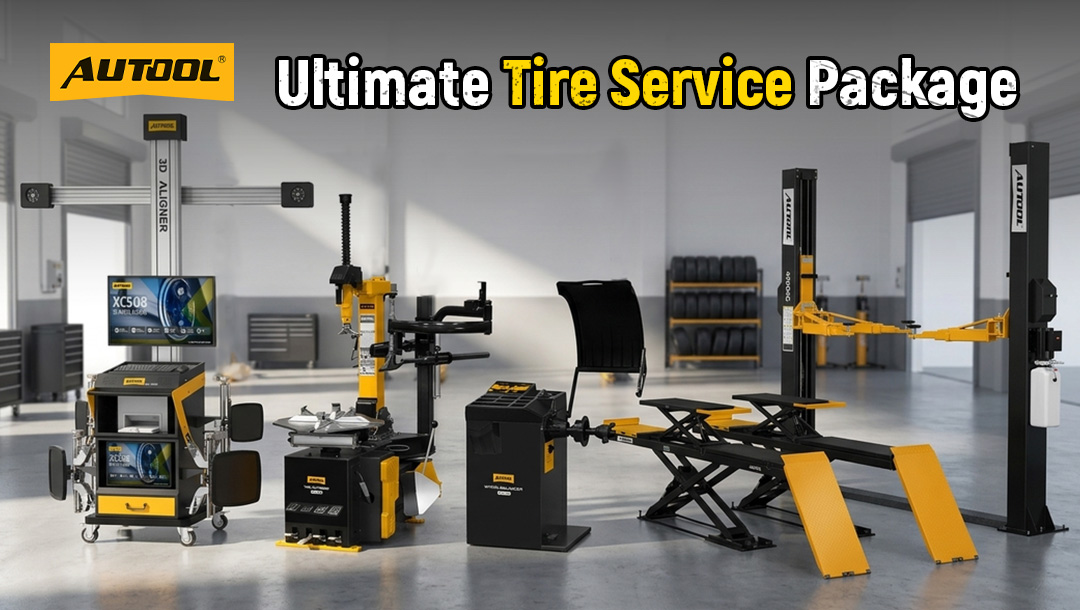
Pre opravovne, ktoré čelia problémom s výberom autozdviháka, AUTOOL Autozdvíhače ponúkajú široký sortiment zariadení na zdvíhanie automobilov. AUTOOL vieme odporučiť vhodný zdvihák na auto na základe podmienok vo vašej dielni a servisného plánu.
Kontakt AUTOOL a dozviete sa viac o zdvihákoch áut a exkluzívnych zľavách.
WhatsApp: +86 189 2647 7404
E-mail: [email protected]
Súvisiace produkty
Vykreslené pomocou shortcode produktu WooCommerce, takže karty zdedia globálnu štruktúru karty produktu a štýly Blocksy/WooCommerce.