AUTOOL Blog, Informácie o oprave
Všetko, čo potrebujete vedieť o chladiacej kvapaline pre autoklimatizáciu

4 novembra, 2025
Zdieľať:
 autoolstore.com
Informácie o oprave
V horúcom letnom počasí sa môže stať, že nastúpite do auta, dotknete sa volantu, ktorý je príliš horúci na to, aby ste ho držali, zapnete klimatizáciu a stále zistíte, že kabína sa poriadne nechladí. Jedna kľúčová vec sa dá ľahko prehliadnuť: chladivo do klimatizácie auta.
Chladiace médium klimatizačného systému vozidla pracuje vo vnútri potrubí a ticho cirkuluje. Ak je chladivo nízke, nesprávne, kontaminované alebo uniká, systém klimatizácie môže stratiť chladiaci výkon, aj keď sú ostatné komponenty stále drahé alebo dobre vyrobené.
Táto príručka vysvetľuje, čo je automobilové chladivo, bežné typy chladív, signály, že chladivo môže potrebovať pozornosť, čo si pripraviť pred servisom a základné kroky potrebné na doplnenie chladiva do klimatizácie vozidla.
Základy klimatizácie
Chladivo klimatizácie, nazývané aj chladivo alebo chladiaca kvapalina, je základnou látkou, ktorá prenáša teplo v klimatizačnom systéme.
V systéme chladivo opakovane mení skupenstvo. Prechádza z kvapaliny na plyn, ktorý absorbuje teplo, a potom z plynu späť na kvapalinu, ktorá uvoľňuje teplo. Tento cyklus prenáša teplo z vnútra vozidla do vonkajšieho vzduchu a umožňuje ochladenie kabíny.
Domáce klimatizácie aj klimatizácie do auta sa spoliehajú na cirkuláciu chladiva. V klimatizačných systémoch automobilov sa táto látka často nazýva chladivo do klimatizácie auta, chladivo pre automatickú klimatizáciu, alebo automobilové chladivo.
Keď klimatizácia nechladí správne, bežným prvým krokom je skontrolovať, či nedochádza k úniku z potrubí alebo komponentov klimatizácie. Ak sa nenájde žiadny únik, doplnenie chladiva do klimatizácie v aute môže obnoviť chladiaci výkon.
Typy chladív
Rôzne vozidlá používajú rôzne chladiace médiá. Pred akýmkoľvek dopĺňaním alebo servisnými prácami si prečítajte návod na obsluhu vozidla alebo štítok pod kapotou.
| Typ | Scenár aplikácie | Základné funkcie |
|---|---|---|
| R-12 | Automobily, tradičné systémy | Zistilo sa, že toto chladivo je škodlivé pre okolité životné prostredie 1994, takže bol zakázaný a nahradený R-134a v klimatizačných systémoch automobilov. |
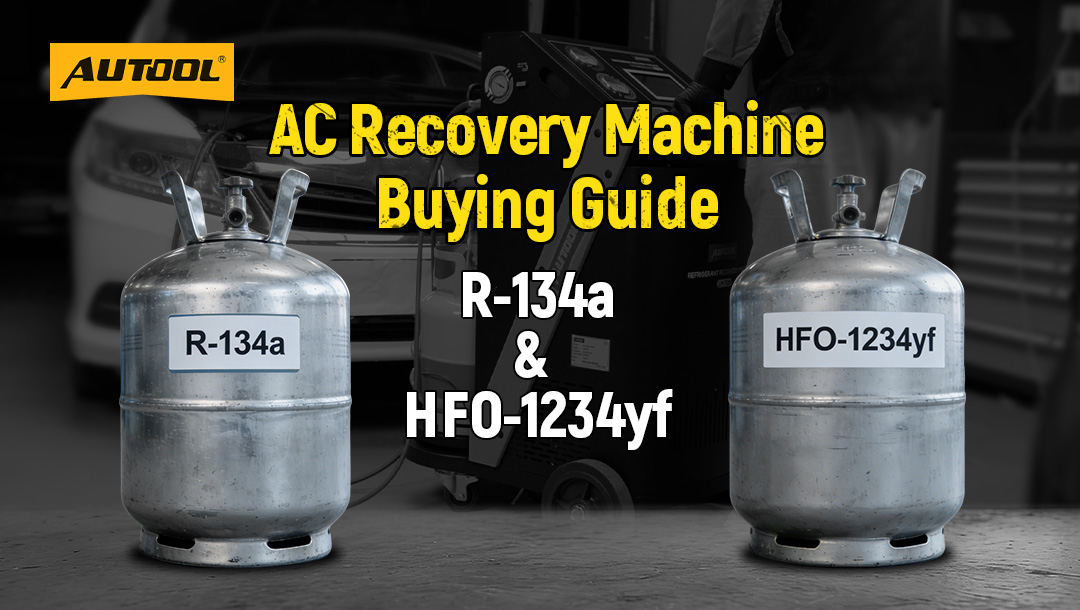
| R134a | Automobily, tradičné systémy | R134a bol kedysi hlavným chladivom pre automobilové klimatizácie. Má vyspelé technológie a nízke náklady, ale má silný skleníkový efekt a v niektorých nových modeloch bol postupne vyradený. |
| R1234yf | Automobily, nové modely | R1234yf má vynikajúcu šetrnosť k životnému prostrediu, sotva poškodzuje ozónovú vrstvu a má oveľa nižší skleníkový efekt ako R134a. Je to štandardné chladivo pre klimatizácie mnohých súčasných nových áut, hoci je pomerne drahé. |
Správny typ chladiva môžete identifikovať niekoľkými spôsobmi. Najprv si prečítajte návod na obsluhu vozidla. Mal by v ňom byť jasne uvedený vhodný typ chladiva pre klimatizáciu.
Ak manuál nie je k dispozícii, otvorte kapotu motora a skontrolujte štítok klimatizácie vo vnútri kapoty alebo motorového priestoru. Tento štítok zvyčajne uvádza typ automobilového chladiva a niekedy aj množstvo naplnenia.
Nikdy nemiešajte ani nenahrádzajte nesprávny typ chladiva pre automatickú klimatizáciu. Rôzne modely používajú rôzne chladivá a nesprávne chladivo môže poškodiť systém klimatizácie alebo sťažiť neskorší servis.
Ak stále neviete identifikovať typ chladiva, pred doplnením chladiva do klimatizácie vozidla kontaktujte odborného technika.
Výstražné signály
Keď sa objavia nasledujúce príznaky, chladivo klimatizácie vozidla môže byť nedostatočné, môže unikať alebo už nie je účinné.
Keď zapnete klimatizáciu, kabína sa ochladí oveľa dlhšie ako predtým alebo dlho nedosiahne nastavenú teplotu. Toto je bežný znak toho, že v automobile môže dochádzať chladivo.
Ak je vzduch z vetracích otvorov len o niečo chladnejší ako je teplota miestnosti alebo ak sa doň primiešava slabý teplý vánok, chladivo automatickej klimatizácie nemusí absorbovať dostatok tepla. Za normálnych podmienok by teplota výstupného vzduchu mala klesnúť pod 10 ℃.
Syčivý zvuk z motorového priestoru môže naznačovať únik chladiva z klimatizácie vozidla. Hlasnejší hluk kompresora ako zvyčajne môže tiež poukazovať na problém so systémom, ktorý by sa mal skontrolovať.
Ak sa na výparníku, zvyčajne v blízkosti kabíny na strane spolujazdca, objaví veľká plocha námrazy alebo ľadu, mohlo dôjsť k abnormálnemu tlaku v systéme kvôli nedostatku chladiva. Dočasne prestaňte klimatizáciu používať a skontrolujte systém, aby ste predišli ďalšiemu poškodeniu.
Ak sa potvrdí, že problém súvisí s chladivom, môže pomôcť doplnenie chladiva do klimatizácie vozidla, ale najskôr je potrebné skontrolovať úniky. V opačnom prípade môže novo pridané chladivo rýchlo unikať.
Príprava
Pred výmenou alebo doplnením chladiva si pripravte správne nástroje, materiály, kontroly systému a bezpečnostné opatrenia. Pomôže to predísť poškodeniu klimatizačného systému nesprávnou obsluhou.
Použite chladivo do klimatizácie auta, ktoré je vhodné pre vaše vozidlo, napríklad R1234yf kde je to uvedené. Skontrolujte štítok na vozidle a nikdy nemiešajte typy chladív.
Na mazanie kompresora môžete potrebovať aj chladiaci olej do klimatizácie. Pridávajte ho iba podľa potreby a podľa pokynov vozidla alebo servisných pokynov.
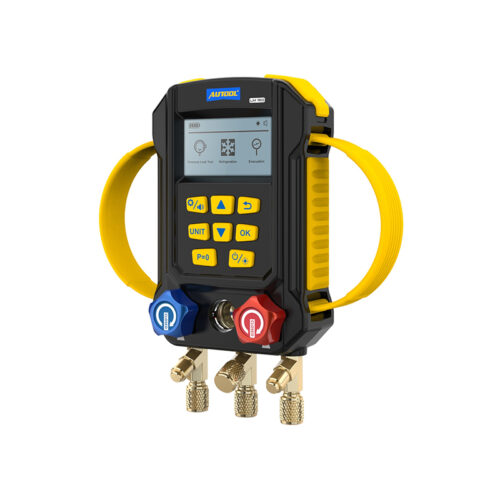
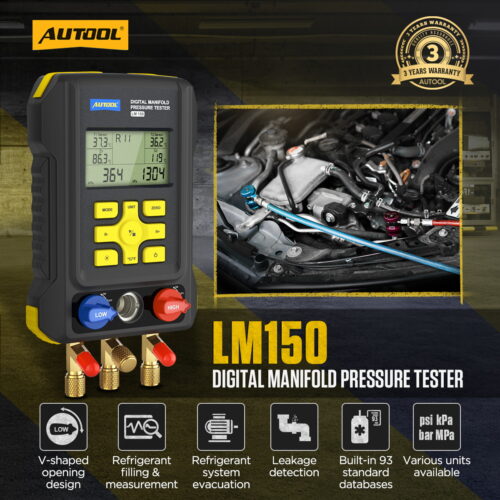
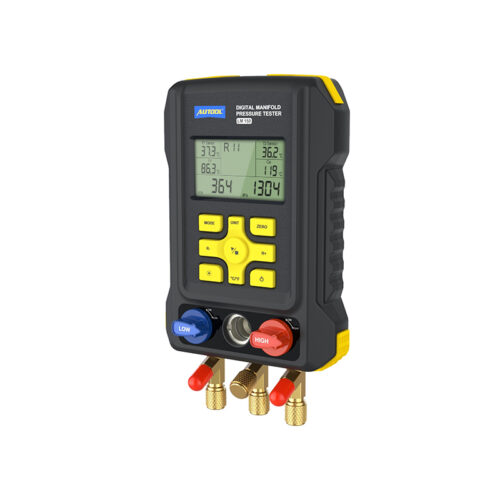
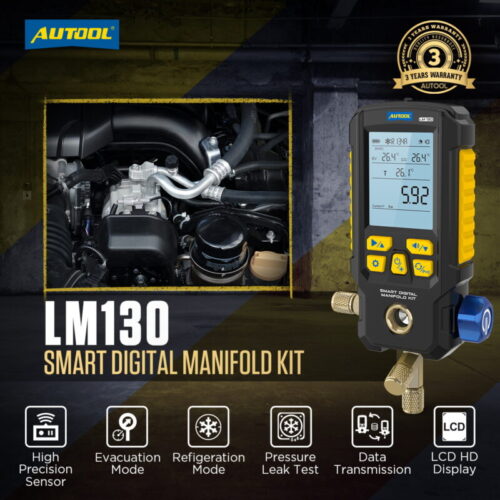
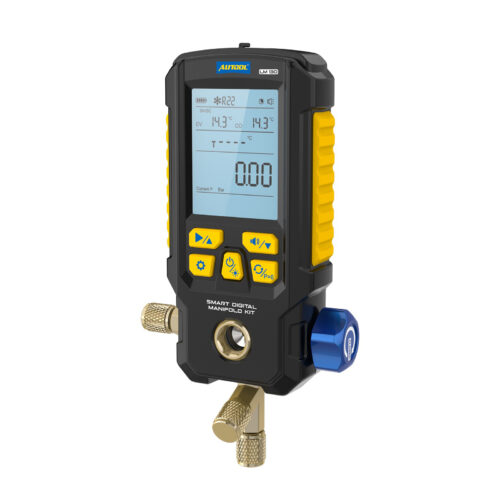
Medzi bežné nástroje patrí manometer na rozdeľovači klimatizácie na kontrolu tlaku v systéme, vákuové čerpadlo na odstránenie vlhkosti a vzduchu, nabíjačka chladiva alebo manuálne nabíjanie a kľúč na potrubné spoje.
Najprv skontrolujte tesnosť. Naneste mydlovú vodu na spoje potrubia klimatizácie, kondenzátory, výparníky a ďalšie podozrivé miesta. Ak sa tvoria bubliny, pred výmenou alebo doplnením automobilového chladiva opravte netesnosť.
Skontrolujte aj kompresor. Naštartujte auto, zapnite klimatizáciu a skontrolujte, či kompresor beží hladko a bez nezvyčajného hluku. Tým sa zabráni plytvaniu chladivom, keď je skutočná porucha spojená s kompresorom.
Noste ochranné rukavice a ochranné okuliare. Priamy kontakt s chladivom autoklimatizácie môže spôsobiť omrzliny na pokožke a vdýchnutie príliš veľkého množstva chladiaceho plynu môže podráždiť dýchacie cesty.
Pracujte v dobre vetranom priestore. Nikdy nepracujte v uzavretom priestore, kde sa môže uniknuté chladivo hromadiť a predstavovať nebezpečenstvo.
Nástroje na servis klimatizácie
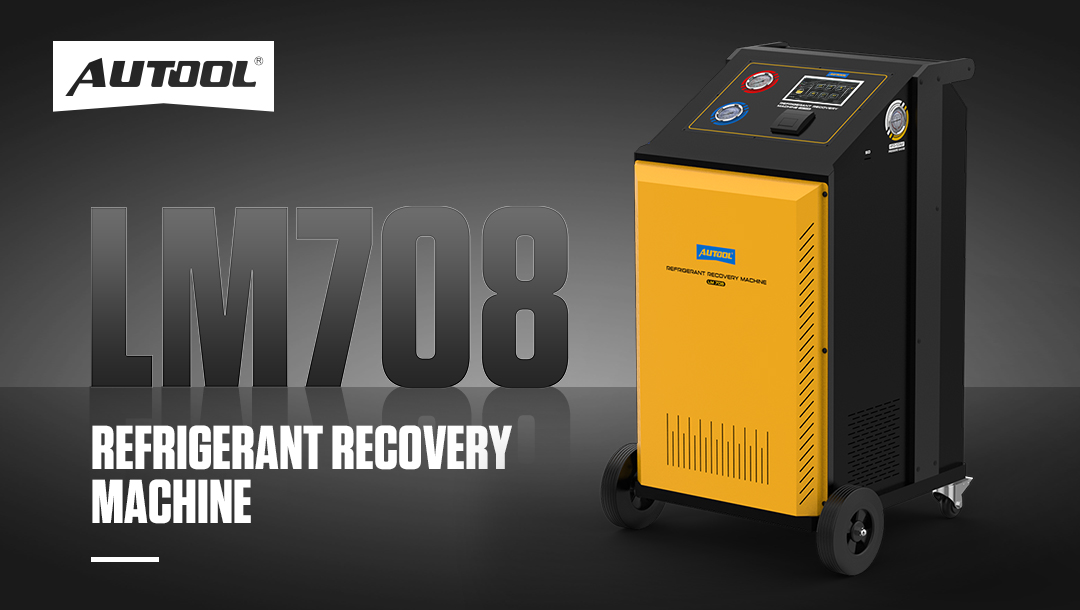
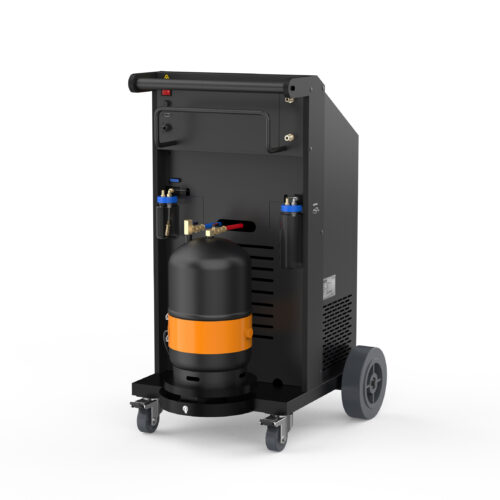
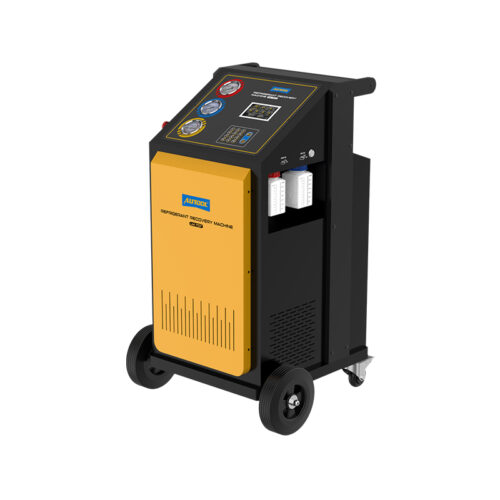
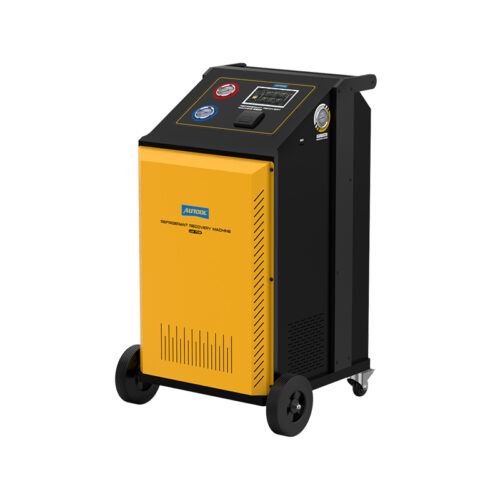
Pri servise klimatizácií v automobile používajte špeciálne zariadenia na regeneráciu chladiva, detekciu únikov a meranie tlaku v sacom potrubí.


Postup dobíjania
Tieto kroky opisujú všeobecný pracovný postup. Dodržiavajte návod na obsluhu vozidla, miestne predpisy a bezpečné servisné postupy pre dané vozidlo a typ chladiva.
Pripojte vysokotlakové a nízkotlakové hadice manometra klimatizačného rozdeľovača k príslušným servisným portom klimatizačného systému vozidla.
Spustite zariadenie na regeneráciu chladiva a zachyťte všetko zostávajúce staré automobilové chladivo do regeneračnej nádrže. Nikdy nevypúšťajte chladivo priamo do atmosféry, pretože to znečisťuje životné prostredie a môže byť nezákonné.
Odpojte odťahové zariadenie a potom pripojte vákuové čerpadlo k meraciemu prístroju na sacom potrubí. Zapnite vákuové čerpadlo a vyprázdnite systém klimatizácie.
Nechajte to bežať aspoň 30 minút takže sa zo systému odstráni vzduch a vlhkosť. Zvyšková vlhkosť môže znížiť účinnosť chladenia a môže poškodiť kompresor.
Vypnite vákuové čerpadlo a nechajte systém stáť 10 minútSledujte tlakomer. Ak tlak stúpne, stále existuje netesnosť, ktorú je potrebné pred pokračovaním opraviť.
Ak nenájdete žiadny únik, postupujte podľa návodu na obsluhu vozidla a doplňte správne množstvo chladiaceho oleja klimatizácie cez nízkotlakový otvor manometra sacieho potrubia.
Skontrolujte, či typ chladiva klimatizácie vozidla zodpovedá vozidlu. Pripojte nádrž s chladivom k nízkotlakovému portu manometra sacieho potrubia.
Naštartujte auto a zapnite klimatizáciu. Nastavte ju na maximálnu rýchlosť ventilátora chladenia a minimálnu teplotu, aby kompresor bežal. Pomaly otvorte ventil nádrže s chladivom a pridajte stanovené množstvo, zvyčajne 400-600g, ale vždy si skontrolujte návod na obsluhu vozidla. Sledujte tlak v systéme, aby ste predišli preplneniu alebo nedostatočnému naplneniu.
Po doplnení chladiva zatvorte ventil a odpojte hadice. Nechajte klimatizáciu zapnutú ešte nejaký čas. 10-15 minút.
Skontrolujte teplotu vzduchu vo vetracích otvoroch. Normálne by mala byť pod 10 °C. Zároveň skontrolujte, či kompresor beží hladko a či nevydáva žiadne nezvyčajné zvuky ani úniky. Po potvrdení je proces dopĺňania chladiva do klimatizácie vozidla dokončený.
Kontakt AUTOOL
Kontakt AUTOOL a dozviete sa viac o strojoch na regeneráciu chladiva, meračoch rozdeľovačov a nástrojoch na detekciu únikov. Noví zákazníci môžu využiť zľavu a vybrané produkty majú 3-ročnú záruku.
Súvisiace produkty
Vykreslené pomocou shortcode produktu WooCommerce, takže karty zdedia štruktúru karty produktu použitú v rozložení referenčného príspevku.