Purchase Guides
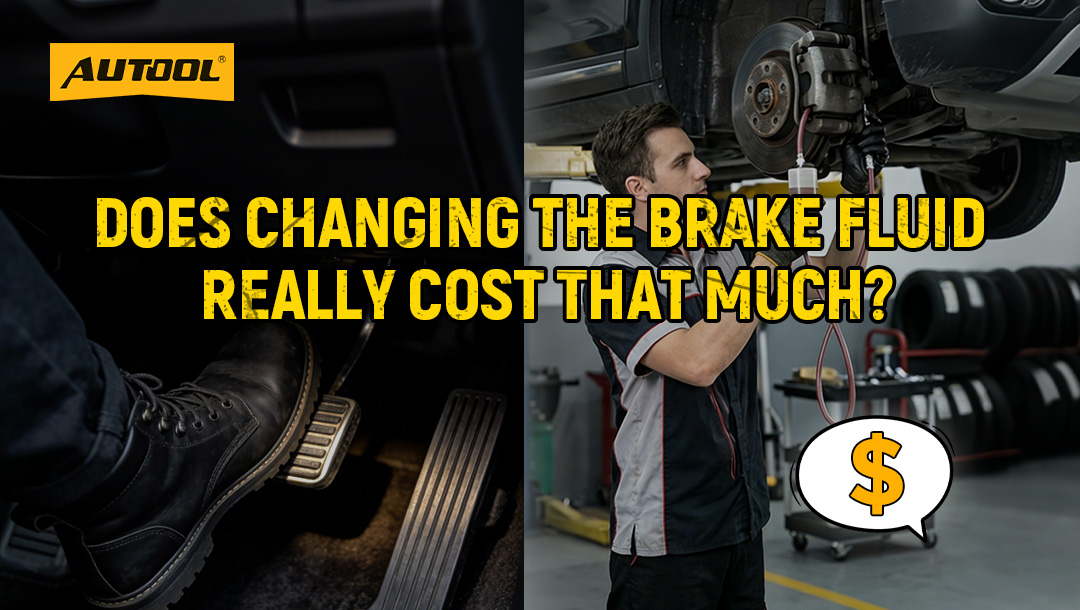
In modern automotive maintenance, braking-system safety is paramount. Brake fluid is the core medium of the hydraulic braking system. If its moisture content exceeds standards or the fluid deteriorates, braking performance can be affected. For an auto repair shop owner, independent technician, or professional workshop that wants to improve service efficiency, the question is not only whether brake fluid needs to be changed. The real question is whether manual replacement is still efficient enough, or whether a brake fluid exchanger can make the process safer, faster, and more standardized.
Brake Fluid Guide 01

Manual brake fluid replacement often requires more labor and more time

How Long Does a Manual Brake Fluid Change Take?

The traditional manual brake fluid change process usually requires two-person coordination: one person depresses the brake pedal while the other drains fluid. Each wheel must be bled individually, bubbles need repeated checking, and the technician must prevent air from entering the system.

The average manual brake fluid change takes about 30-60 minutes per vehicle. It may take longer when the vehicle has a complex ABS system, persistent air pockets, technician inexperience, or rusted bleed screws that are difficult to remove.

  • Incomplete air purgingManual operation may leave air in the braking system if the bleeding process is not controlled carefully.
  • Contamination riskRepeated opening, refilling, and checking can increase the chance of brake fluid contamination.
  • High labor intensityTwo-person operation increases labor demand and makes scheduling less flexible.
  • Low efficiencyFor workshops servicing multiple vehicles daily, time and labor costs can rise quickly.
Brake Fluid Guide 02

Constant pressure helps keep the exchange stable and reduces air ingress

Working Principle of Brake Fluid Exchangers

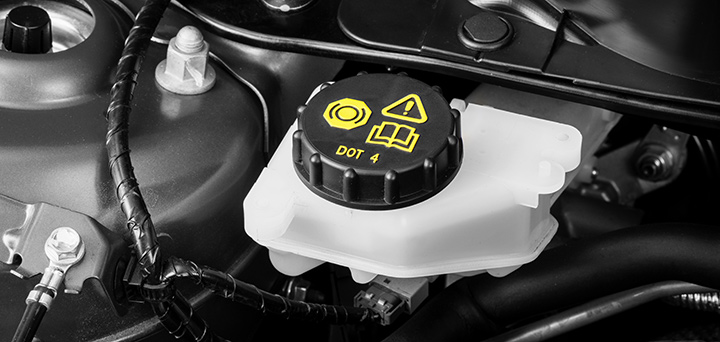
The core principle of a brake fluid exchanger is constant-pressure delivery combined with automatic circulation and air purging. In a typical workflow, the technician connects the device to the brake fluid reservoir, sets the proper working pressure, starts the device, and lets fresh fluid push old fluid out under constant pressure.

Technical advantage Workshop value
Constant pressure output Helps prevent air from entering the brake system.
Single-technician operation Reduces labor demand and improves scheduling flexibility.
ABS/ESP compatibility Supports modern vehicles that are harder to service manually.
More thorough replacement Improves service consistency and professional appearance.

With a professional brake fluid exchanger, an entire vehicle replacement can often be completed in 10-20 minutes. For a repair shop, that means the possibility of servicing 3-5 more vehicles per day, reducing labor costs, improving shop image, and increasing profit margins.

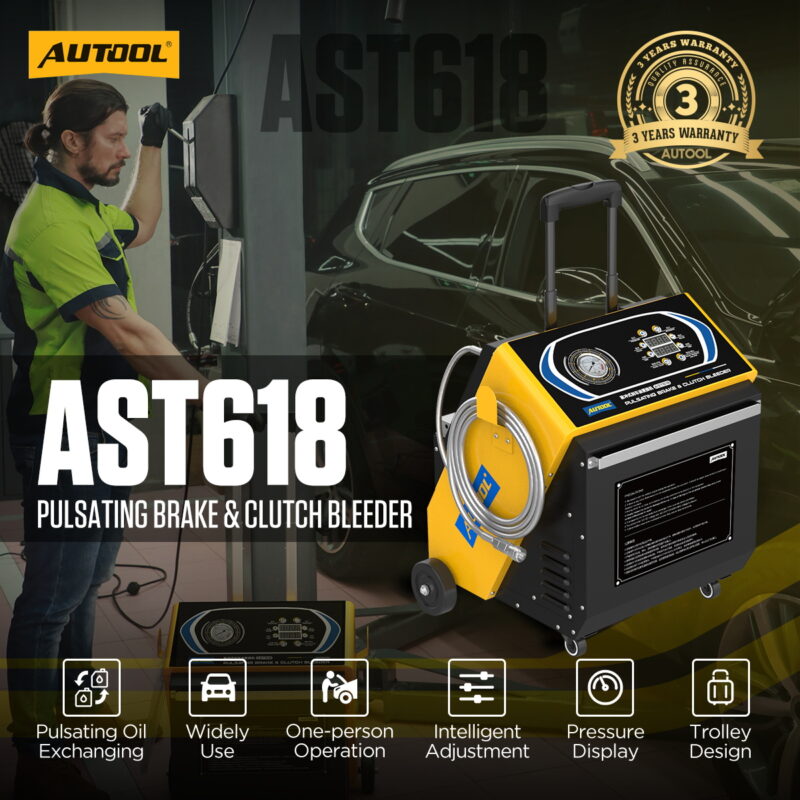
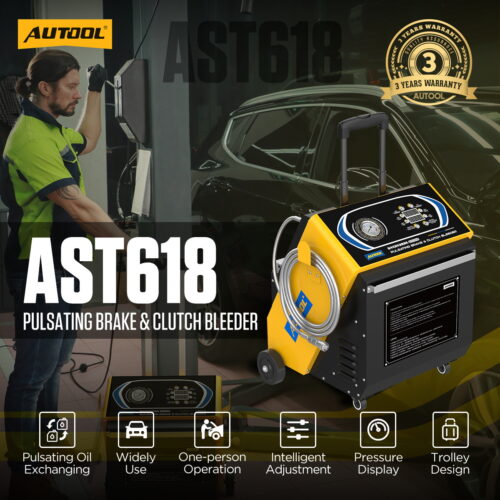
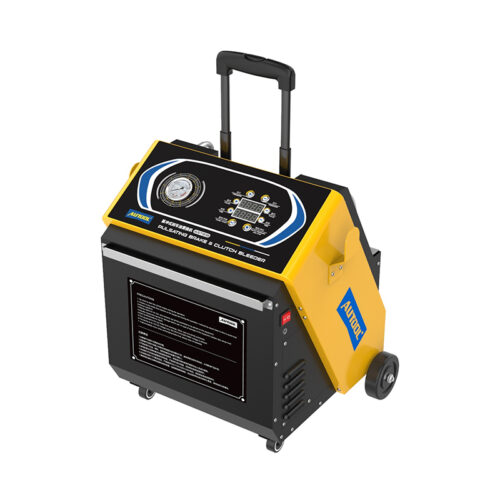
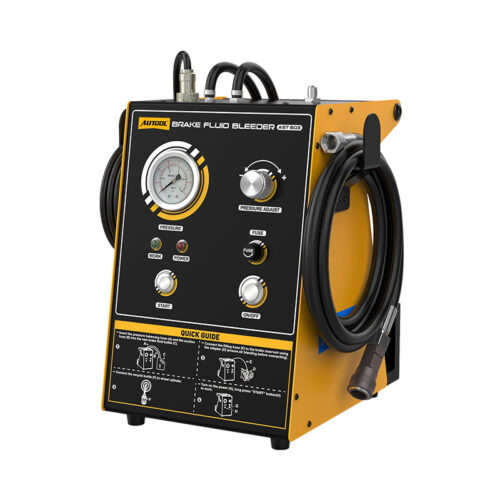
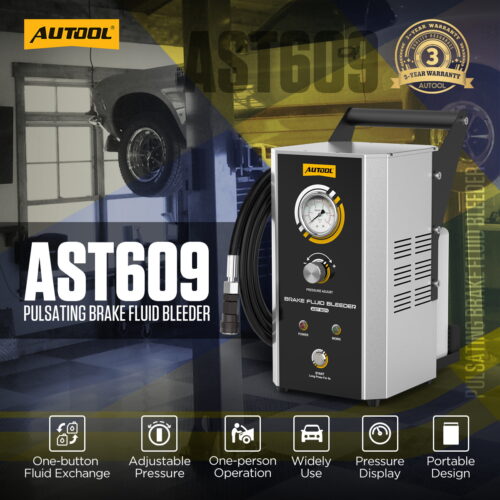
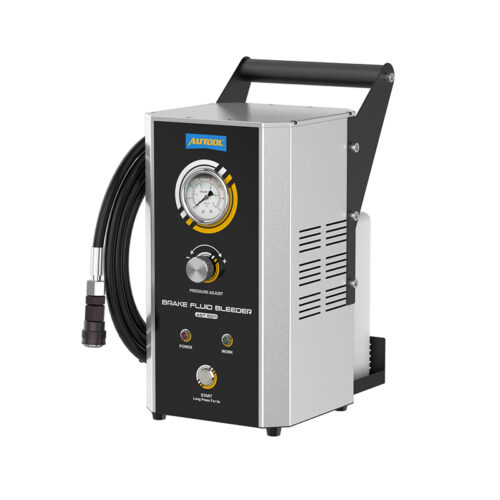
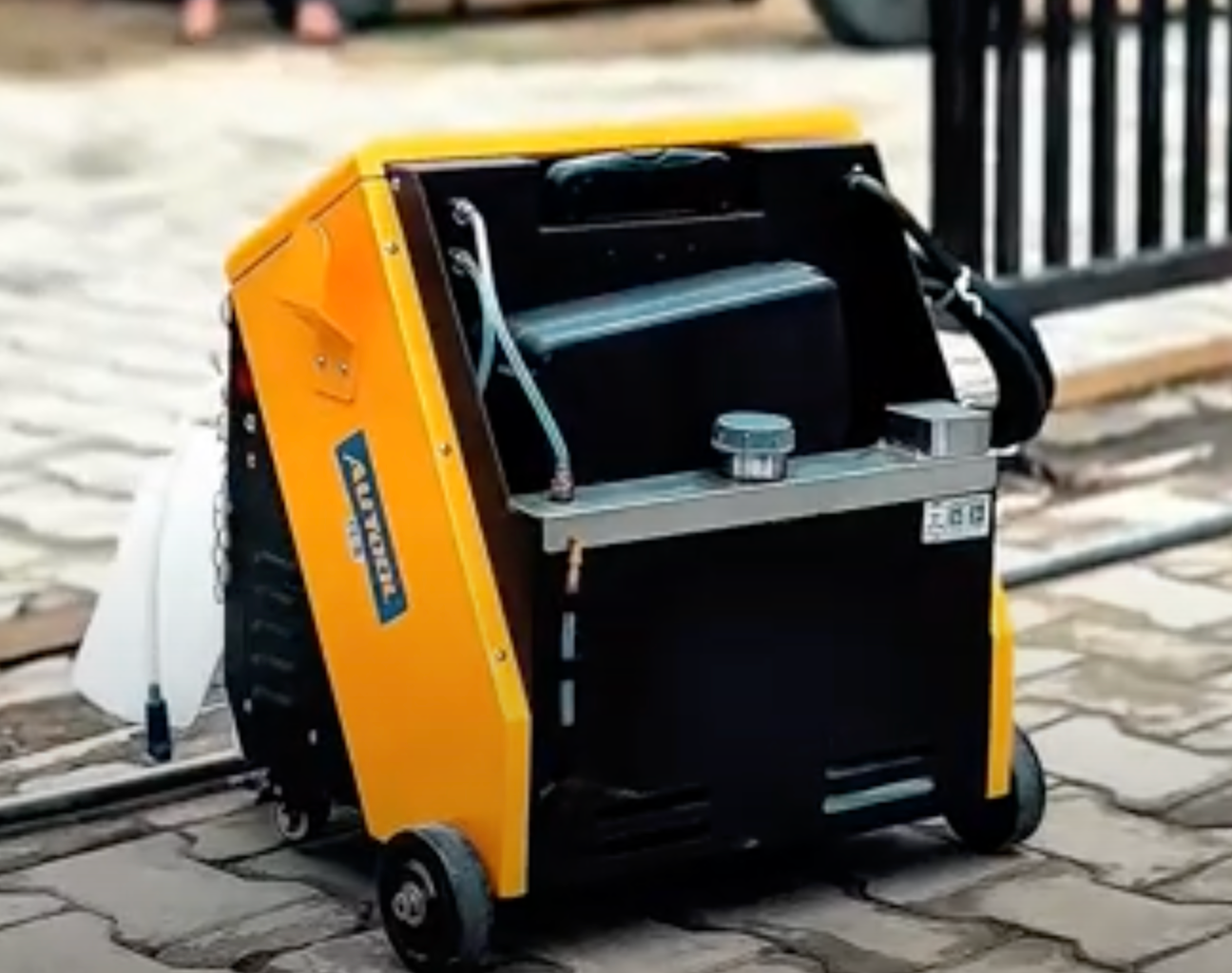
AUTOOL AST618 pulsating brake fluid exchanger
Product Recommendation

A stable, efficient, commercially practical brake-fluid solution

AUTOOL AST618 Brake Fluid Exchanger

If you are looking for a stable, efficient, and commercially viable solution, the AUTOOL AST618 is a professional choice worth considering.

  1. Intelligent constant pressure systemMaintains stable pressure output and helps prevent air from entering the brake system.
  2. Single-operator designRemoves the need for a second person and helps save labor cost.
  3. High compatibilitySupports multiple vehicle models, including modern vehicles equipped with ABS/ESP systems.
  4. Visual control panelSimple and intuitive operation allows even beginners to get started faster.
  5. Commercial-grade constructionDurable materials make it suitable for high-frequency use in repair environments.
Shop Value

Equipment investment should be judged by efficiency, trust, and repeatable service quality

Why Should Auto Repair Shops Prioritize Brake Fluid Exchangers?

For professional repair shops, equipment investment is not only about the purchase price. It also involves payback period, service efficiency, customer satisfaction, and brand image.

If each brake fluid change charges $80-150, and the shop can complete 2 additional jobs per day or about 40 additional jobs per month, the equipment cost can potentially be recouped in a shorter timeframe. More importantly, customers who see professional equipment being used are more likely to trust the workshop’s repair capability.

If you change brake fluid for multiple vehicles monthly, want to boost repair efficiency, want to reduce manual operation risks, or want to enhance your workshop’s professional image, then a brake fluid exchanger is a practical upgrade. The AUTOOL AST618 is tailored for modern repair shops that need efficient and standardized brake-fluid service.

Brake fluid service upgrade

Use professional equipment to improve brake-fluid service speed and consistency.

Compare AUTOOL brake fluid exchangers and choose the model that fits your service volume.

View AST618

Related Products

Rendered through the WooCommerce product shortcode so the cards inherit the global product-card structure and the 67682 reference style.

Related Blogs

Lasă un răspuns

Adresa ta de email nu va fi publicată. Câmpurile obligatorii sunt marcate cu *