Coolant Service Guide
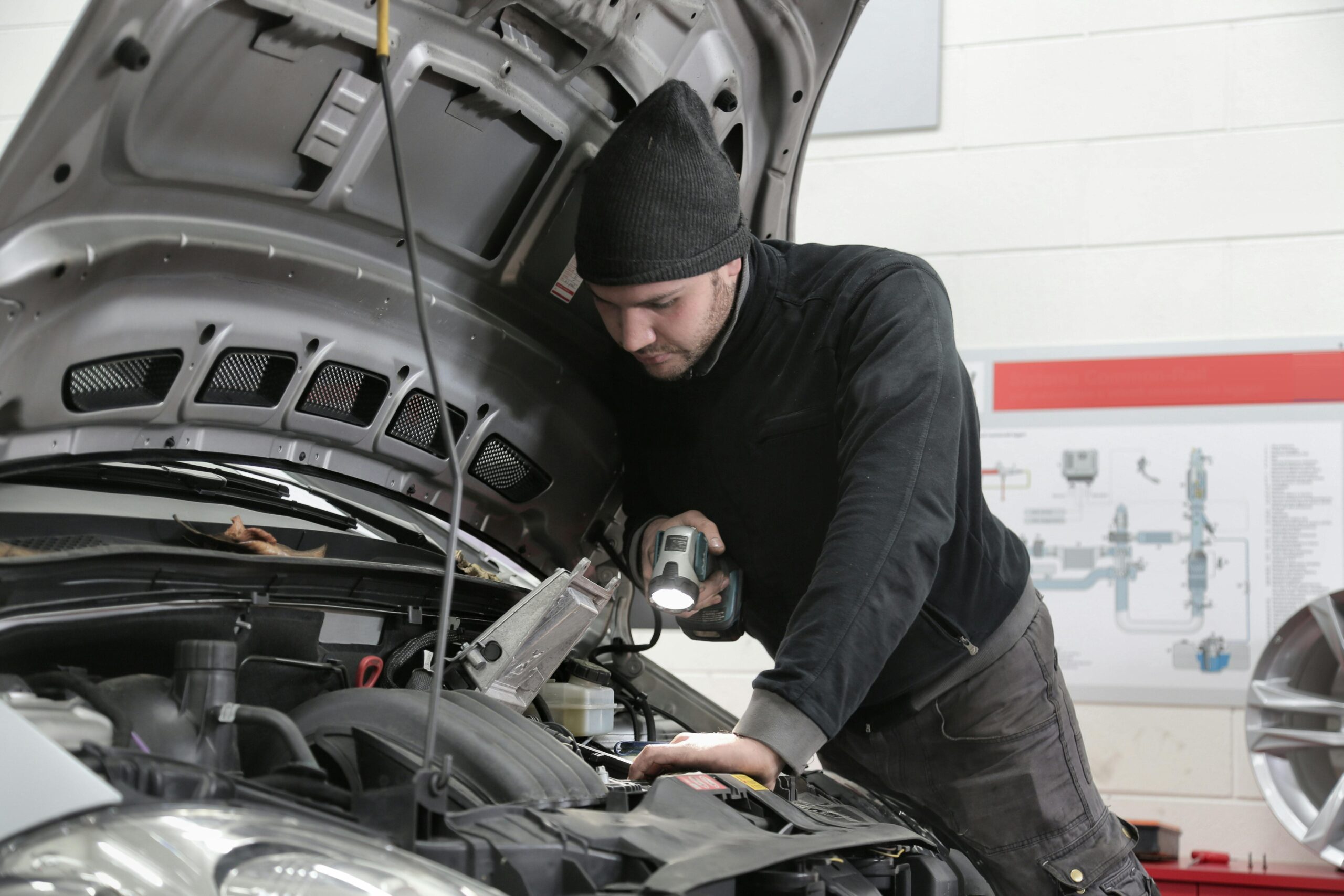
The cooling system is a key part of normal engine operation. It helps prevent engine damage caused by overheating and keeps the engine temperature within a suitable operating range. Over time, coolant can deteriorate, scale and rust can build up, and impurities can reduce cooling efficiency. This article explains why a coolant fluid flush matters, how often the cooling system should be cleaned, what risks come from neglected coolant maintenance, and how a coolant flush machine or coolant filler can improve efficiency during coolant exchange.
Cooling System Maintenance

Why do I need a coolant fluid flush for my car?

1. A Coolant Flush Helps Keep the Cooling System Clean and Efficient

The main parts of the cooling system include the radiator, water pump, thermostat, coolant lines, and coolant tank. During long-term use, coolant performance can be affected by scale, rust, deposits, or other impurities. If damage occurs after long-term neglect, cooling system repair may cost about 500 USD to 2000 USD depending on the fault and vehicle. Regular cooling system cleaning provides several practical benefits:
  • Prevent scale buildupScale can clog radiators and coolant lines, reducing cooling efficiency and making it harder for the system to control engine temperature.
  • Improve cooling system performanceRemoving impurities and deposits helps coolant circulate more smoothly through the system.
  • Extend engine lifeBetter heat dissipation helps prevent overheating and reduces the risk of major high-temperature damage.
  • Avoid unnecessary maintenance costsRegular cleaning can reduce repair costs caused by clogging, corrosion, and poor coolant circulation.
FAQ

Frequently asked questions about cooling system maintenance

2. Coolant Maintenance Depends on Time, Mileage, Fluid Condition, and System Symptoms

How often should the cooling system be cleaned?

It is generally recommended to flush the cooling system every 2-3 years or every 40,000-60,000 kilometers. If the coolant becomes cloudy, deposits appear, or cooling performance deteriorates, clean it earlier.

What are the risks of not cleaning the cooling system?

Neglecting the cooling system for a long time can clog the radiator, corrode coolant lines, overheat the engine, and even cause severe engine damage.

Can coolant be replaced by tap water?

Tap water is not recommended as a coolant replacement. Minerals in tap water can form scale in the cooling system. Distilled water mixed with the correct coolant is a better choice.

How can I tell if the coolant needs replacement?

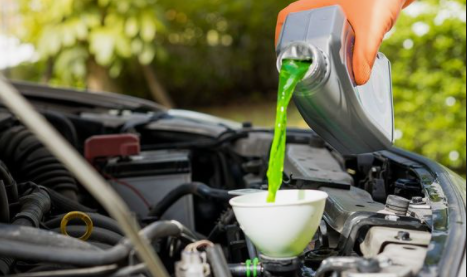
Coolant should be checked or replaced if it changes color, such as from green to brown, develops an odor, or shows deposits in the reservoir.

Coolant Filler

What is a coolant filler?

3. A Coolant Filler Makes Cooling System Filling and Exchange More Efficient

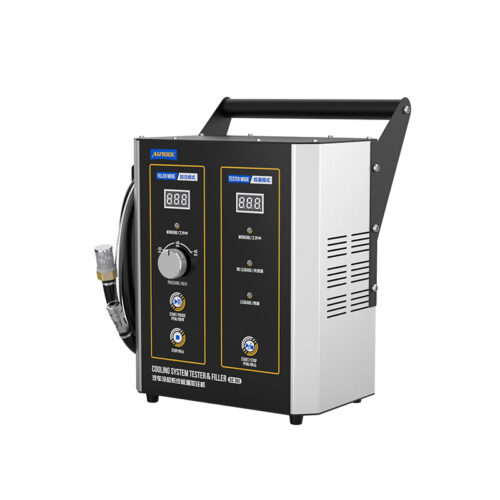
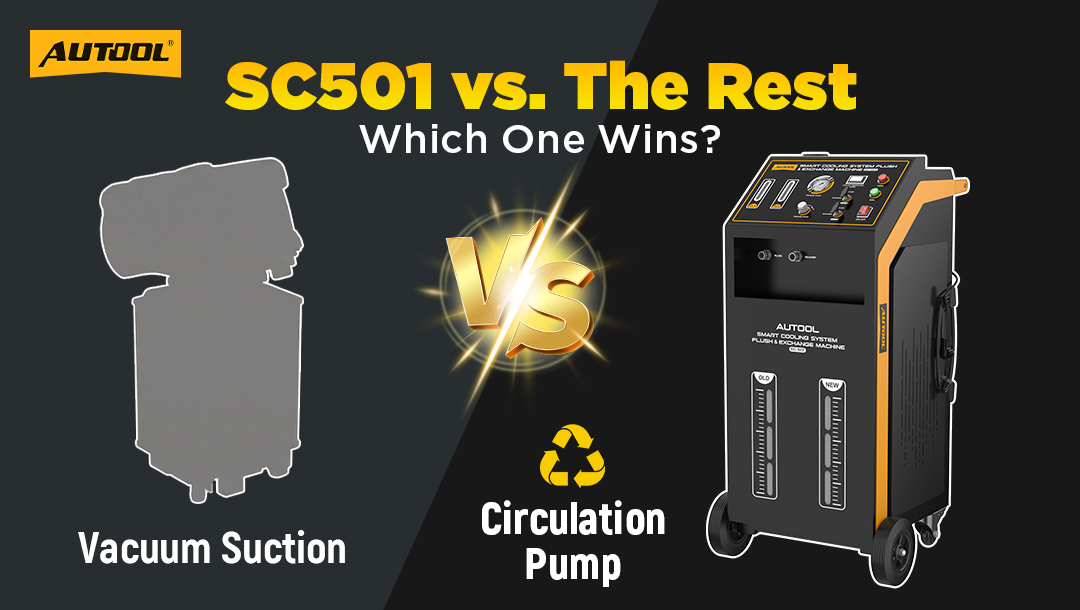
A coolant filler is a professional device designed for quick filling of automotive cooling systems. Compared with traditional manual filling, a coolant flush machine or coolant refilling machine can help workshops improve efficiency, reduce manual operation, and make the coolant exchange process easier to observe.
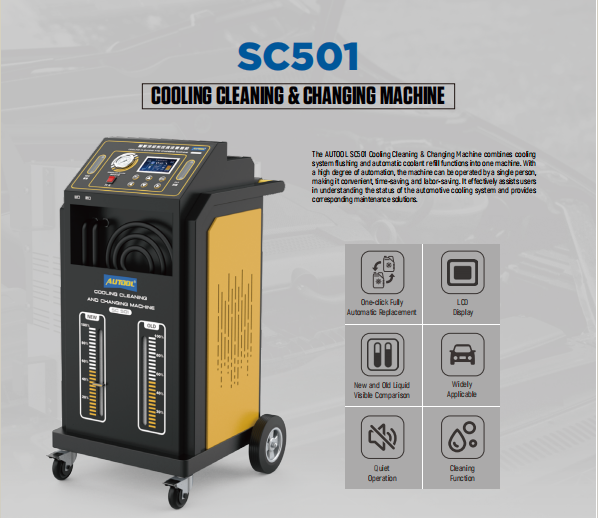
AUTOOL SC501 coolant filler feature overview

One-click automatic replacement

The machine can automatically replace vehicle coolant without continuous manual operation, helping improve service efficiency.

Precise control

Coolant flow and pressure can be controlled more accurately during the exchange process, which helps make the service more stable.

Cleaning function

Circulating cleaning helps remove scale, rust, and other impurities from the cooling system, improving cooling performance and extending system service life.

Visible new and old fluid comparison

Transparent window pipelines make it easier to observe the difference between old coolant and new coolant, helping confirm that the replacement is more thorough.

Vehicle compatibility

Multiple connectors help the machine fit many vehicle cooling systems on the market.

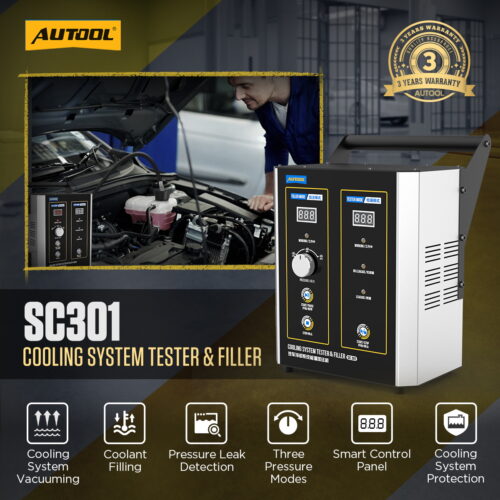
Vacuum pressure retention mode

Before filling, the machine can evacuate the coolant to create a vacuum and maintain pressure, helping check whether the cooling system has leaks.

AUTOOL SC501 coolant exchange transparent pipeline detail
Transparent pipelines help compare new and old coolant during exchange.
Conclusion

4. Coolant Exchange Is a Long-Term Maintenance Step for Engine Protection

Cooling system maintenance is an important part of keeping a car running normally. Regular cleaning and correct coolant filling help extend engine life, reduce overheating risk, and keep coolant circulation stable. For car owners, a professional repair shop can inspect the cooling system and perform coolant exchange when needed. For auto repair stores, a coolant flush machine with coolant refilling functions can improve work efficiency and service quality, especially when the shop performs cooling system repair and maintenance regularly.

Related Products

Rendered through WooCommerce product shortcode so the cards inherit the global product-card structure and Blocksy/WooCommerce styles.

Leave a Reply

El. pašto adresas nebus skelbiamas. Būtini laukeliai pažymėti *