Guide all'acquisto, Informazioni sulla riparazione
Lista di controllo per la manutenzione dell'auto: consigli per prestazioni ottimali

Aprile 18, 2024
Condividere:
 autoolstore.com
La manutenzione dell'auto è fondamentale per possedere e godersi un veicolo, proprio come prendersi cura della propria salute contribuisce a una vita appagante. Una manutenzione regolare, controlli periodici e la sostituzione tempestiva dei componenti chiave aiutano a mantenere il veicolo in perfette condizioni di funzionamento e in sicurezza.
Questa guida spiega perché la manutenzione dell'auto è importante, quali vantaggi offre e come contribuisce a un'esperienza di guida più affidabile. Raccoglie inoltre informazioni pratiche sulla manutenzione, i cicli di sostituzione, i suggerimenti sugli attrezzi e le risorse di apprendimento correlate, tratte dall'articolo originale.
Articoli di ricambio di routine
La checklist originale inizia con gli interventi di manutenzione ordinaria che riguardano direttamente la lubrificazione, l'accensione, il raffreddamento, i freni e la trasmissione. Questi interventi vengono spesso programmati in base al chilometraggio o al tempo, a seconda del veicolo e delle condizioni di guida.
Ciclo di sostituzione: ogni 5.000 chilometri o 6 mesi.
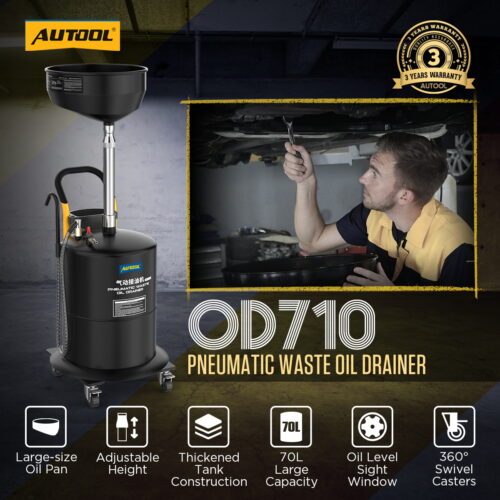
Trascurare il cambio dell'olio motore è come trascurare le trasfusioni di sangue. Col tempo, l'olio perde la sua capacità lubrificante, si scurisce e diventa meno efficace nel proteggere i componenti. Ciò aumenta l'usura e può portare al guasto del motore. L'olio deteriorato può anche evaporare a causa del calore, abbassando il livello dell'olio e aumentando il rischio di grippaggio del motore.
Ciclo di sostituzione: 40.000 km.
Con il tempo, le candele delle automobili si usurano, accumulano depositi carboniosi e la distanza tra gli elettrodi aumenta, riducendo l'efficienza dell'accensione e influenzando le prestazioni del motore e il consumo di carburante. La sostituzione regolare aiuta a prevenire mancate accensioni, problemi di avviamento e sprechi di carburante, garantendo al contempo un funzionamento regolare del motore.
Ciclo di sostituzione: 2 anni.
Il liquido antigelo non sostituito per lungo tempo può ridurre le prestazioni del veicolo e accorciarne la durata. Può persino causare un'accelerazione improvvisa del motore o il suo surriscaldamento. La sostituzione del liquido antigelo elimina ruggine e depositi che contribuiscono al surriscaldamento e al deterioramento dei componenti, aiuta a prevenire la formazione di impurità nel sistema e contribuisce alla protezione dalle perdite dell'impianto di raffreddamento.
Ciclo di sostituzione: 40.000 km o 2 anni.
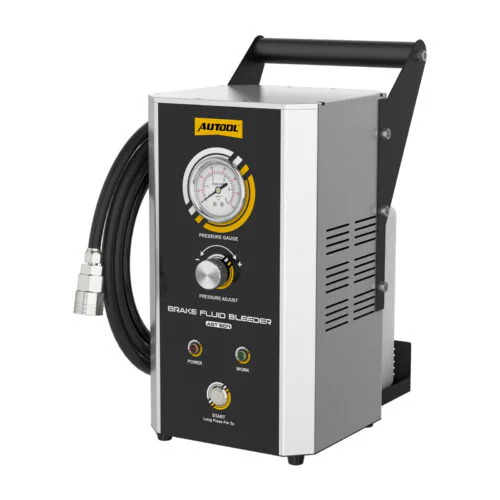
La sostituzione periodica del liquido dei freni è fondamentale per mantenere l'impianto frenante in perfette condizioni e migliorare la sicurezza di guida. Con il tempo, il liquido dei freni assorbe acqua e impurità, causando un degrado delle prestazioni e la formazione di bolle d'aria che possono portare a guasti ai freni. La sostituzione regolare mantiene pulito l'impianto frenante, ne prolunga la durata e migliora la sicurezza.
La manutenzione del fluido della trasmissione contribuisce a mantenere in migliori condizioni il sistema di lubrificazione e idraulico della trasmissione. Le note originali dell'utensile confrontano due metodi di sostituzione:
Servizio di carbone e batterie
I depositi di carbonio e l'invecchiamento della batteria possono entrambi causare problemi evidenti al veicolo. L'accumulo di carbonio può influire sull'efficienza del motore, mentre una batteria debole può compromettere l'avviamento e la stabilità dell'impianto elettrico.
Ciclo di sostituzione: ogni 20.000 chilometri o 6 mesi.
Questo servizio rimuove i depositi di carbonio e le incrostazioni all'interno del motore, garantendo una pulizia accurata di componenti come cilindri, fasce elastiche e valvole di aspirazione. Il processo può migliorare l'efficienza e la durata del motore, riducendo al contempo le emissioni di scarico dell'automobile.
Le batterie per auto si deteriorano gradualmente durante l'uso a causa della riduzione della concentrazione dell'elettrolita, della corrosione degli elettrodi e di altri fattori. Ciò comporta una diminuzione della capacità di accumulo e di erogazione di energia elettrica.
La sostituzione periodica della batteria contribuisce a garantire il normale avviamento del veicolo, a mantenere stabile il funzionamento dell'impianto elettrico e a prevenire malfunzionamenti e problemi causati dall'invecchiamento della batteria. La checklist originale indicava inoltre un ciclo di sostituzione ogni 5.000 chilometri o 6 mesi.
Filtri e interventi di manutenzione ordinaria
Gli ultimi interventi di manutenzione riguardano i filtri. Questi interventi contribuiscono a proteggere il motore, a migliorare la qualità dell'aria e a mantenere pulito l'olio nuovo dopo il tagliando.
Ciclo di sostituzione: 20.000 km o un anno.
Un filtro dell'aria sporco riduce l'aspirazione d'aria del motore, causando una combustione incompleta del carburante, un funzionamento instabile, una diminuzione della potenza e un maggiore consumo di carburante. La sua sostituzione protegge il motore, migliora l'efficienza del carburante, riduce le emissioni e contribuisce a mantenere il veicolo in buone condizioni e a prolungare la durata del motore.
Ciclo di sostituzione: 20.000 km o un anno.
La sostituzione regolare del filtro dell'aria condizionata contribuisce a mantenere pulita l'aria all'interno dell'auto, migliora l'efficienza del sistema di climatizzazione, ne prolunga la durata e tutela la salute dei passeggeri. Si tratta di una delle misure più importanti per garantire un ambiente interno confortevole e salubre.
Ciclo di sostituzione: cambio con olio.
Nel tempo, l'olio motore può contaminare la carta del filtro dell'olio, creando un rischio di intasamento. Sostituisci il filtro dell'olio ogni volta che cambi l'olio per evitare di contaminare l'olio nuovo e per garantire una filtrazione efficace.
Manutenzione a lungo termine del veicolo
Una buona abitudine alla guida è fondamentale per la manutenzione dell'auto. Evita accelerazioni e frenate brusche per prolungare la durata dell'impianto frenante e del motore. Anche la manutenzione regolare, la pulizia del veicolo e l'evitare il sovraccarico sono importanti per preservare le condizioni dell'auto a lungo termine.
Utilizza questa lista di controllo per organizzare il cambio dell'olio, il controllo delle candele, il rabbocco del liquido di raffreddamento, la sostituzione del liquido dei freni, il rabbocco del liquido della trasmissione, la rimozione dei depositi carboniosi, la cura della batteria e la sostituzione dei filtri.
Prodotti correlati
Il rendering avviene tramite lo shortcode del prodotto WooCommerce, in modo che le schede ereditino la struttura globale delle schede prodotto e gli stili di Blocksy/WooCommerce.