Blog AUTOOL, Informazioni sulla riparazione
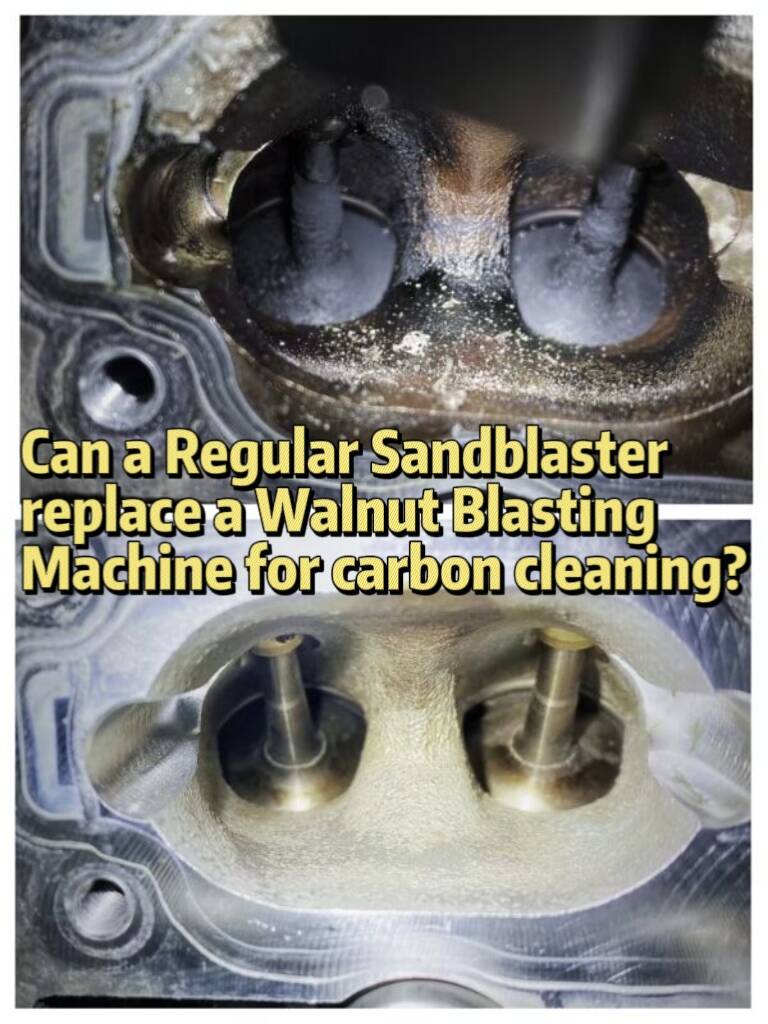
È possibile sostituire una sabbiatrice a guscio con una sabbiatrice a noce per la pulizia del carbonio?

Gennaio 27, 2026
Condividere:
 autoolstore.com
Il supporto centrale determina se il motore è protetto
Il fulcro della pulizia tramite sabbiatura risiede nel mezzo abrasivo. Una sabbiatrice a graniglia di noce e una sabbiatrice tradizionale utilizzano logiche di funzionamento completamente diverse, e questa differenza determina direttamente se il motore subisce danni.
| Articolo | Macchina per la sabbiatura delle noci | Sabbiatrice ordinaria |
|---|---|---|
| Mezzo abrasivo | Sabbia di noce naturale, principalmente di granulometria compresa tra 0,8 e 1,2 mm, con una durezza Mohs di circa 2,5-3 e una consistenza sciolta e tenace. | Sabbia di quarzo, smeriglio, graniglia d'acciaio, sabbia di fiume e altri abrasivi industriali duri. |
| Protezione del motore | Rimuove i depositi di carbonio senza graffiare i blocchi cilindri in lega di alluminio o ghisa, le superfici di tenuta delle valvole o le pareti interne del collettore di aspirazione. | Può graffiare gravemente i blocchi cilindri, le superfici di tenuta delle valvole e i collettori di aspirazione, causando perdite d'aria, consumo eccessivo di olio, minimo instabile o altri guasti secondari. |
| Controllo dei media | Utilizza una valvola di controllo della sabbia con regolazione di precisione e un tubo di uscita anti-intasamento in acciaio inox per un'erogazione continua e uniforme. | Solitamente è privo di valvole di regolazione dedicate e non è in grado di regolare con precisione l'uscita della sabbia per le valvole di aspirazione, le camere di combustione o le valvole a farfalla. |
| Rischio residuo | La sabbia di noce è un abrasivo vegetale naturale. I piccoli residui possono decomporsi con la combustione ad alta temperatura durante il funzionamento del motore. | I residui abrasivi industriali possono causare usura abrasiva nei pistoni, nelle pareti dei cilindri e nelle valvole, provocando graffi nei cilindri o guasti al motore. |
Ecco perché un affidabile strumento di sabbiatura con graniglia di noce e un kit completo per la sabbiatura con graniglia di noce sono più sicuri per la manutenzione automobilistica rispetto alle normali attrezzature di sabbiatura industriali.
Una sabbiatrice professionale a base di noce riduce anche la dispersione e la rottura della sabbia durante la pulizia. L'erogazione continua e uniforme di sabbia consente ai tecnici di regolare la forza di pulizia in base alle valvole di aspirazione, alle camere di combustione e alle valvole a farfalla, anziché utilizzare un'unica impostazione industriale grossolana per ogni superficie.
Le sabbiatrici tradizionali creano un profilo di rischio completamente diverso. Le particelle dure di origine industriale che rimangono nel motore possono intensificare l'attrito, mentre un controllo approssimativo del materiale abrasivo può non rimuovere il carbonio o danneggiare eccessivamente le superfici di precisione. Per questo motivo, la scelta dell'abrasivo non è una semplice questione accessoria, ma il fondamento di una pulizia sicura del motore dal carbonio.
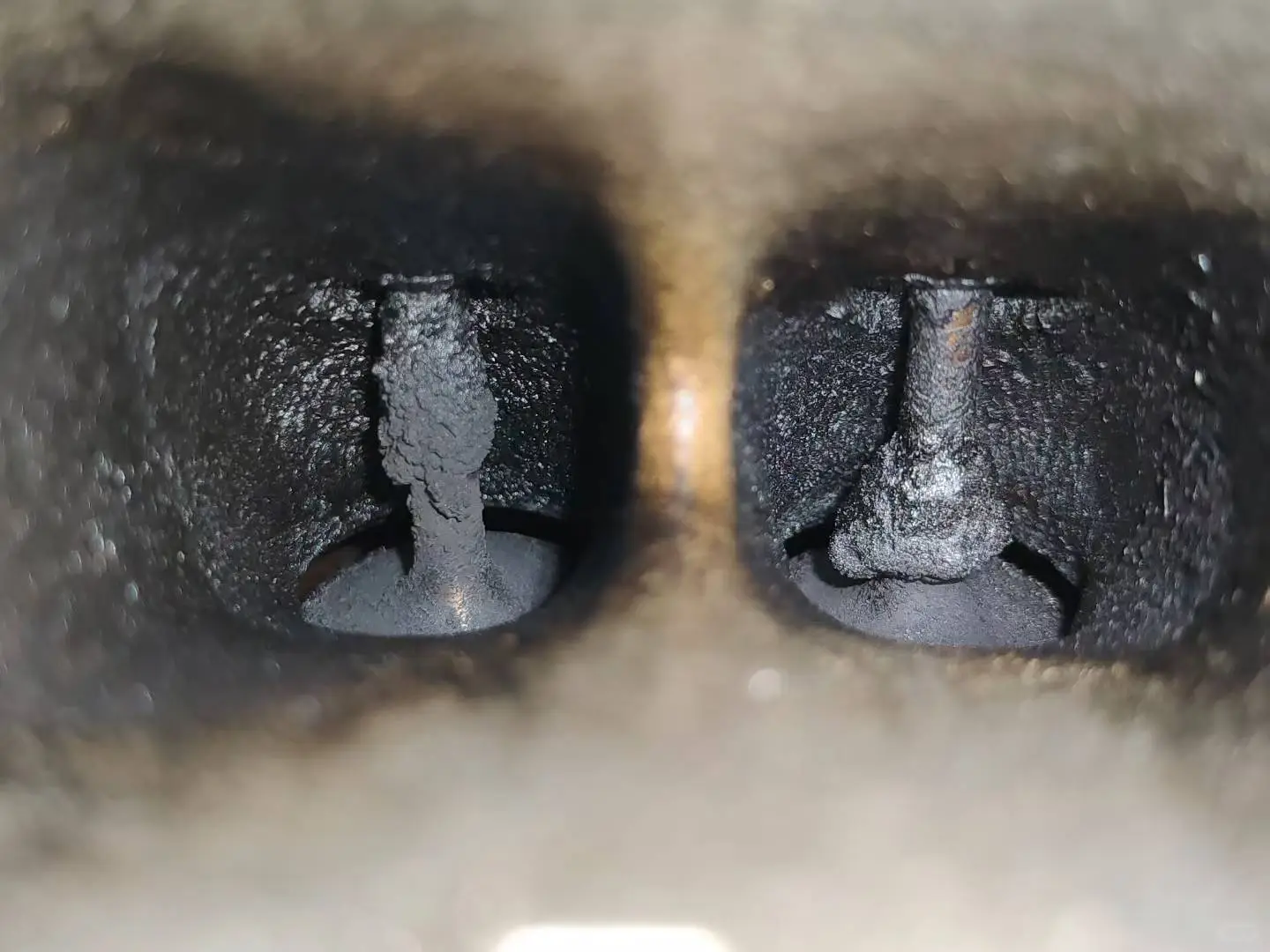
Le cavità del motore necessitano di una pressione controllata
Le valvole di aspirazione dei motori automobilistici, le camere di combustione e i collettori di aspirazione sono cavità di precisione. Richiedono un'accurata corrispondenza tra pressione di sabbiatura e quantità di sabbia emessa, che rappresenta una delle principali differenze tra i due tipi di attrezzatura.
La pressione dell'aria di lavoro può essere regolata in base allo spessore del deposito carbonioso e alla parte da pulire. Una bassa pressione e una piccola quantità di sabbia emessa sono adatte a corpi farfallati e candele, una pressione media è indicata per valvole di aspirazione e collettori, mentre una pressione più elevata può essere utilizzata per depositi carboniosi spessi nella camera di combustione.
Una pistola a spruzzo a gomito multi-angolo e speciali guarnizioni per motori possono essere inserite nel motore attraverso i fori delle candele e le interfacce del collettore di aspirazione senza necessità di smontaggio su larga scala.
Le sabbiatrici comuni operano spesso a pressioni comprese tra 0,8 e 2,0 MPa e sono progettate per la rimozione rapida di macchie industriali, non per la pulizia di precisione dei motori.
Le pistole di spruzzatura industriali a iniezione diretta non riescono a raggiungere bene le cavità complesse dei motori e sono prive di guarnizioni di tenuta, il che può causare perdite di materiale abrasivo, dispersione di polvere, pulizia incompleta e instabilità della pressione.
Una sabbiatrice a base di noce utilizza anche una valvola di stabilizzazione della pressione per mantenere una pressione dell'aria costante durante il funzionamento. Senza la stabilizzazione della pressione, una normale sabbiatrice potrebbe alternare una pressione tale da danneggiare i pezzi a una pressione insufficiente a rimuovere i depositi di carbonio.
Il confronto tra le pressioni iniziali è particolarmente importante per gli ambienti chiusi del motore. Una bassa pressione e una ridotta portata di sabbia sono adatte alla pulizia di piccole parti come corpi farfallati e candele. Una pressione media e una portata di sabbia media sono ideali per valvole e collettori di aspirazione. Una pressione più elevata e una maggiore portata di sabbia dovrebbero essere utilizzate solo dove i depositi spessi nella camera di combustione richiedono una maggiore forza pulente.
Le normali sabbiatrici industriali sono progettate per la rimozione della ruggine, delle scorie di saldatura e per la rugosità superficiale. La loro elevata pressione industriale fissa non è adatta per le superfici di tenuta delle valvole o per i rivestimenti interni dei cilindri. Se utilizzate nel posto sbagliato, possono causare cedimenti delle guarnizioni, distacco del rivestimento e costi di pulizia superiori a quelli del problema di incrostazioni di carbonio stesso.
Progettato specificamente per la pulizia del carbonio nel settore automobilistico.
Una sabbiatrice a base di noce è progettata specificamente per la rimozione dei depositi carboniosi dai motori delle automobili, mentre le normali sabbiatrici sono attrezzature industriali di uso generale. La loro struttura e il loro funzionamento sono quindi fondamentalmente diversi.
Le sabbiatrici tradizionali solitamente non dispongono di funzioni di riciclo, filtrazione, protezione dalla polvere, mobilità e pulizia ausiliaria. Gli abrasivi sono monouso, la polvere d'officina è più difficile da controllare e le strutture industriali pesanti non si prestano all'uso in officine mobili o compatte per la riparazione di autoveicoli.
Nelle attività quotidiane in officina, questa differenza si traduce rapidamente in costi operativi. Senza un sistema di recupero o filtraggio, gli abrasivi si mescolano con i depositi di carbonio e vengono smaltiti direttamente. Senza una protezione antipolvere sigillata, la sabbiatura contamina le attrezzature dell'officina interna e aumenta l'esposizione professionale. Senza ruote o maniglie per il trasporto, la macchina non è adatta per riparazioni in loco o per officine compatte a bordo strada.
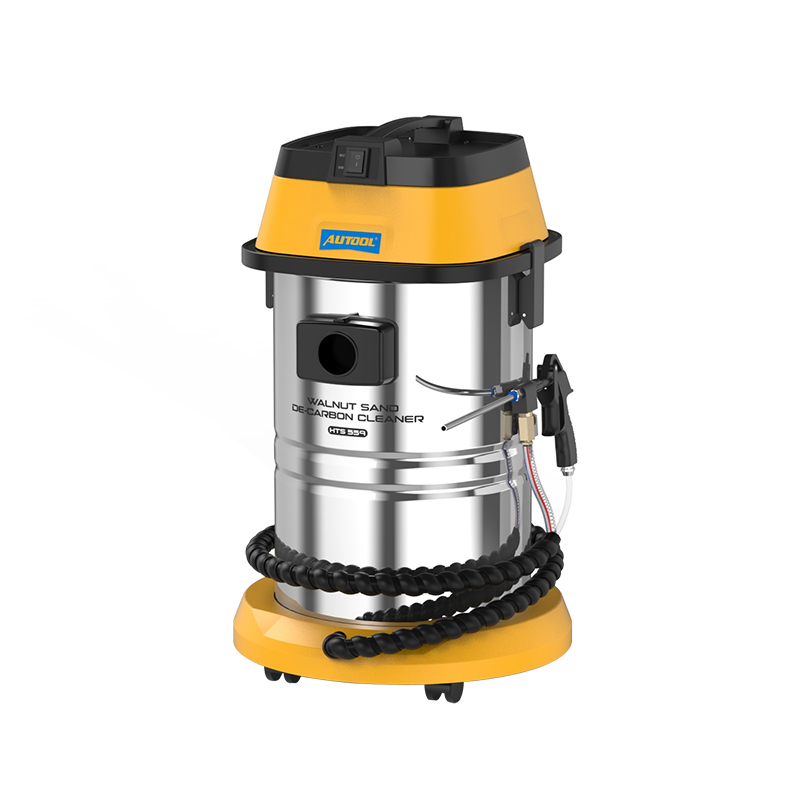
Sicurezza operativa ed effetto di pulizia finale
Le officine di riparazione auto necessitano di procedure rapide, efficienti e che possano essere eseguite da un singolo operatore. I tecnici in genere non possiedono una formazione specifica sulla sabbiatura industriale, pertanto la complessità operativa e i requisiti di sicurezza sono fondamentali.
| Dimensione | Macchina per la sabbiatura delle noci | Sabbiatrice ordinaria |
|---|---|---|
| Operazione | Progettato per le officine di riparazione, il procedimento è generalmente il seguente: "Accensione - Regolazione della pressione dell'aria - Regolazione dell'erogazione della sabbia". I nuovi utenti possono spesso iniziare a utilizzarlo entro mezz'ora. | Richiede una formazione specifica sulla sabbiatura industriale, la regolazione di diversi parametri e spesso la collaborazione di due persone. |
| Sicurezza | Utilizza gusci di noce naturali, non corrosivi e non irritanti. Di solito sono sufficienti una maschera antipolvere, guanti e occhiali di sicurezza. | Gli abrasivi duri rimbalzano facilmente e la polvere derivante dalla sabbia di quarzo o dalla smeriglio può richiedere l'uso di maschere antigas, occhiali resistenti agli urti e indumenti protettivi pesanti. |
| infrastrutture del negozio | I modelli pneumatici possono funzionare con compressori d'aria esistenti da 7,5-11 kW, mentre i modelli elettrici possono utilizzare la normale alimentazione a 220 V. | Potrebbe richiedere un compressore d'aria ad alta potenza di >=15 kW e un'alimentazione elettrica industriale a 380 V. |
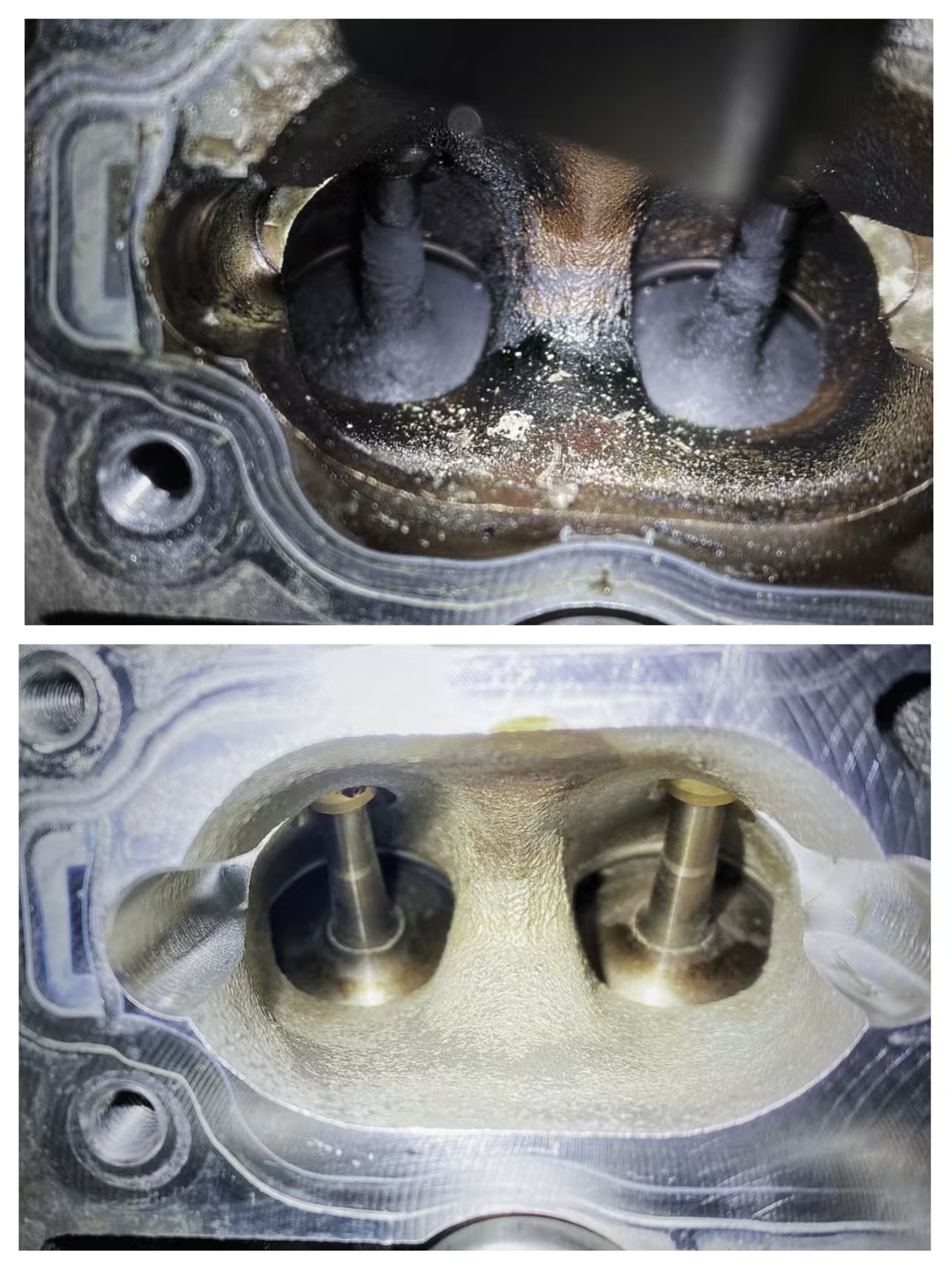
| Risultato della pulizia | La graniglia di guscio di noce può raggiungere la parte posteriore delle valvole di aspirazione, le camere di combustione e le aree intorno agli iniettori di carburante per rimuovere fisicamente i depositi ostinati. | Le pistole a spruzzo potrebbero pulire solo i depositi di carbonio superficiali e non riuscire a raggiungere le cavità interne del motore. |
| Effetto collaterale | Nessun danno da residui abrasivi e nessuna necessità di smontaggio o manutenzione aggiuntivi dopo un'adeguata pulizia. | I residui di abrasivi industriali possono causare graffi sui cilindri, consumo eccessivo di olio, ostruzioni nelle tubazioni del carburante, guasti alle guarnizioni delle valvole e distacco del rivestimento dei cilindri. |
Per la pulizia dei depositi carboniosi nei motori automobilistici, è necessario utilizzare esclusivamente macchine sabbiatrici specializzate con gusci di noce. Le sabbiatrici standard possono essere adatte per la rimozione della ruggine in ambito industriale o per la rimozione delle scorie di saldatura, ma non devono essere modificate per la pulizia dei depositi carboniosi nei motori automobilistici.
Il rischio non si limita a una pulizia inadeguata. Comprende danni da abrasione, accumulo di residui, instabilità della pressione, malfunzionamenti secondari, reclami dei clienti e perdite finanziarie.
Una corretta sabbiatura con graniglia di noce può pulire a fondo la zona dietro le valvole di aspirazione, le camere di combustione e intorno agli iniettori di carburante. Dopo un'adeguata pulizia, il motore può tornare a girare più regolarmente al minimo, ad avere un'accelerazione più vigorosa e un consumo di carburante più normale. Una sabbiatrice comune non adatta potrebbe rimuovere solo il carbonio superficiale visibile, lasciando intatte le aree realmente problematiche.
Il seguente principio dovrebbe guidare la decisione di acquisto: utilizzare macchine sabbiatrici specializzate con gusci di noce per i depositi di carbonio nei motori automobilistici e riservare le sabbiatrici standard per la rimozione della ruggine in ambito industriale, la rimozione delle scorie di saldatura e altre superfici non appartenenti ai motori dove sono appropriati abrasivi duri e pressioni industriali.
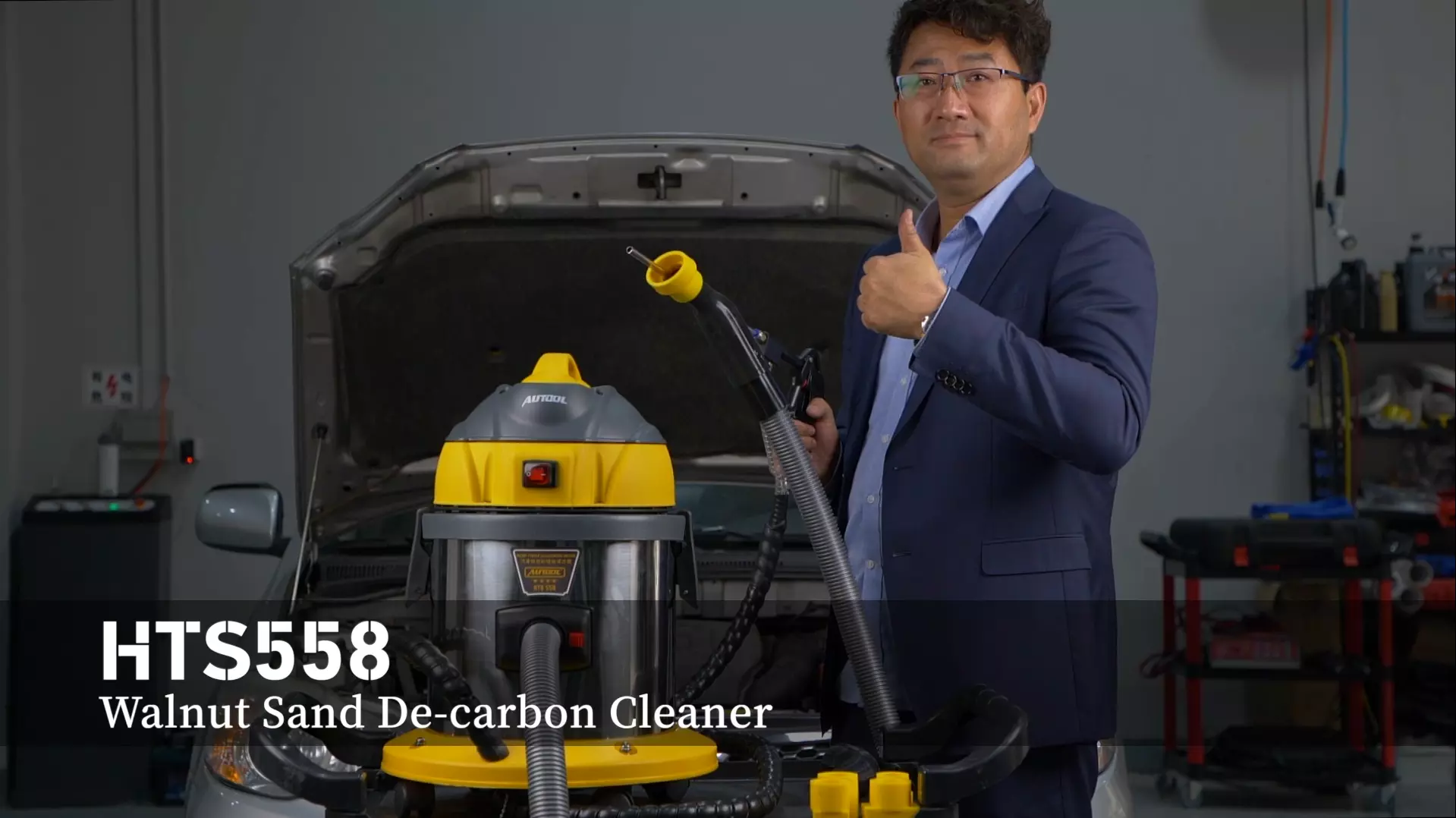
attrezzatura per la sabbiatura del noce
Queste schede utilizzano gli shortcode di WooCommerce, quindi l'output del prodotto segue la stessa struttura globale delle schede utilizzata dal layout di riferimento.

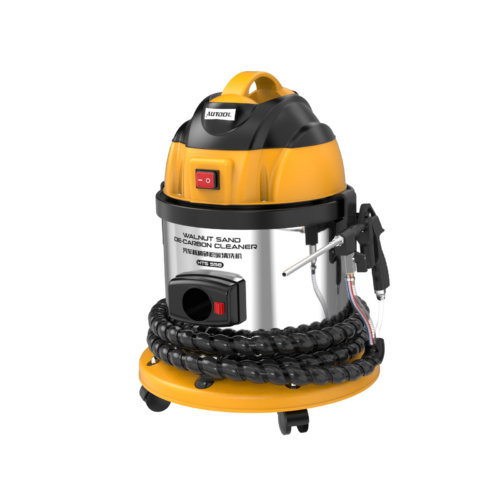
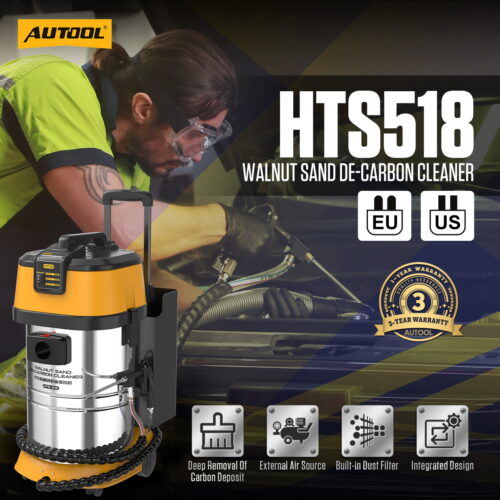
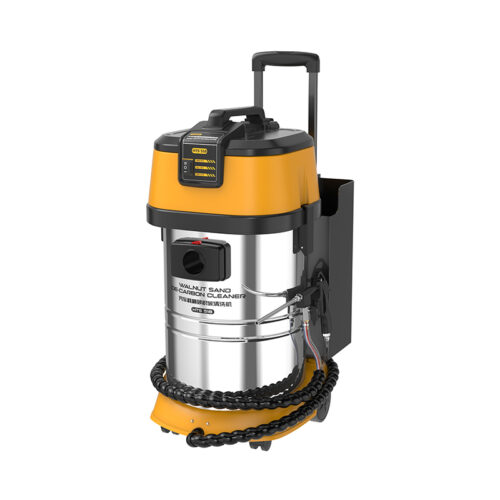

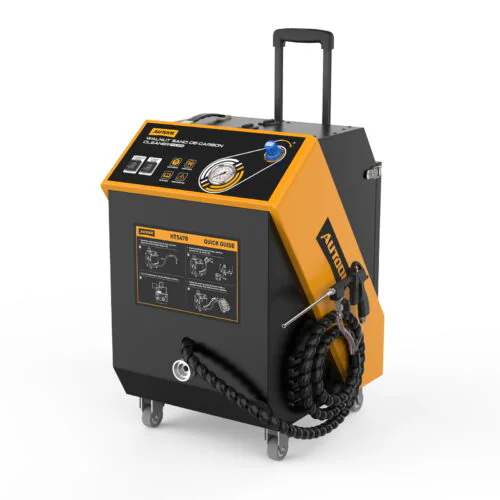
Non sostituire le attrezzature professionali con strumenti non adatti.
In parole semplici, le macchine per la pulizia dei depositi di carbonio con gusci di noce sono modelli specializzati e personalizzati per la rimozione del carbonio dalle automobili. Le sabbiatrici standard sono modelli industriali generici per applicazioni industriali quotidiane. Le loro filosofie di progettazione e le applicazioni previste sono fondamentalmente diverse.
L'utilizzo diretto di una sabbiatrice standard per la pulizia dei depositi carboniosi nei motori automobilistici non solo non consente di ottenere il risultato desiderato, ma rischia anche di danneggiare i componenti principali del motore. Per i depositi carboniosi nei motori automobilistici, è preferibile utilizzare macchine specializzate per la sabbiatura con gusci di noce, dotate di pressione dell'aria e volume di sabbiatura regolabili, sistemi integrati di riciclo dell'abrasivo e design sigillato antipolvere.
Contattaci subito per acquistare una sabbiatrice a gusci di noce e approfittare di sconti esclusivi riservati ai nuovi clienti.
Raccomandazione: +86 189 2647 7404
E-mail: [email protected]
Prodotti correlati
Il rendering avviene tramite lo shortcode del prodotto WooCommerce, in modo che le schede ereditino la struttura globale delle schede prodotto e gli stili di Blocksy/WooCommerce.