AUTOOL blog
Gyakori rendellenes problémák az autófékekkel

szeptember 29, 2025
Részesedés:
 autoolstore.com
Az autó fékrendszere a legfontosabb biztonsági vonal vezetés közben. Közvetlenül befolyásolja mind a vezető, mind az utasok biztonságát. Ez a kulcsfontosságú biztonsági vonal azonban hosszú távú használat vagy nem megfelelő karbantartás után kockázatokat és problémákat okozhat.
Ez a cikk segít megérteni és aktívan ellenőrizni a gyakori fékproblémákat. A rendszeres ellenőrzés csökkentheti a biztonsági kockázatokat, meghosszabbíthatja az autófékek élettartamát, és minden fékezési műveletet biztonságosabbá és megbízhatóbbá tehet.
Ha a fékpedál puhának érződik, vagy lenyomva a padlóra süllyed, azt általában a fékfolyadék szivárgása, a vezetékekbe jutó levegő vagy a főfékhenger meghibásodása okozza. A fékerő hirtelen leeshet, ezért a rendszert azonnal ellenőrizni és meg kell javítani.
Ha a fékpedál túlzott erőkifejtést igényel, az vákuumrásegítő meghibásodására, a motor leállása esetén a rásegítés elvesztésére vagy a vákuumvezetékek szivárgására utalhat. Ellenőrizze az autó fékrásegítő rendszerét.
Ha a fékezéshez a szokásosnál mélyebben kell lenyomnia a pedált, az oka gyakran a túlzottan kopott fékbetétek vagy a fékvezetékek problémái. Azonnal cserélje ki az elkopott betéteket, és ellenőrizze a fékfolyadékot és a fékcsöveket.
Ha a kormánykerék vagy a karosszéria hevesen rázkódik nagy sebességű fékezés közben, azt gyakran a féktárcsák túlmelegedése, deformálódása vagy egyenetlen kopása okozza. Ez egyenetlen fékerőt eredményez, és befolyásolhatja a jármű irányíthatóságát.
Ha a fékpedál ABS beavatkozás nélkül pattog, az egyenetlen tárcsafelületre vagy sérült csapágyra utalhat. Időben ellenőrizze és javítsa meg az autó fékrendszerét.
Az éles, fémes zaj általában azt jelenti, hogy az autó fékbetétjei a határig elkoptak. A figyelmeztető tábla közvetlenül a tárcsához súrlódhat. A további vezetés károsíthatja a féktárcsákat, ezért azonnali cserére van szükség.
A folyamatos súrlódási zaj idegen tárgyra, például egy apró kőre utalhat, amely beszorult az autó fékbetéteibe. A zaj származhat nem megfelelően beszerelt alkatrészekből is. Vizsgálja meg, távolítsa el a törmeléket, és győződjön meg arról, hogy minden alkatrész megfelelően van felszerelve.
Ha a fék felengedése után is hallható a zaj, előfordulhat, hogy a féknyereg nem tér vissza megfelelően. Ez súrlódást és túlmelegedést okozhat.
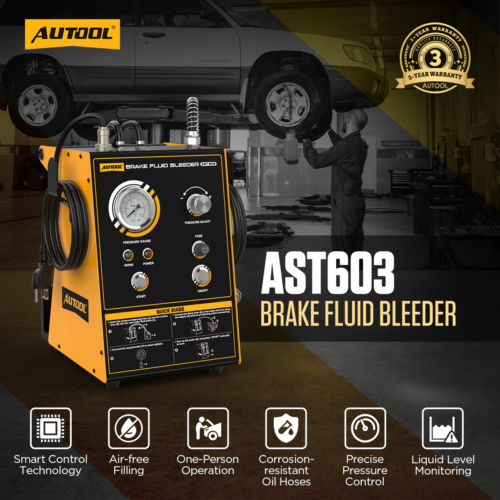
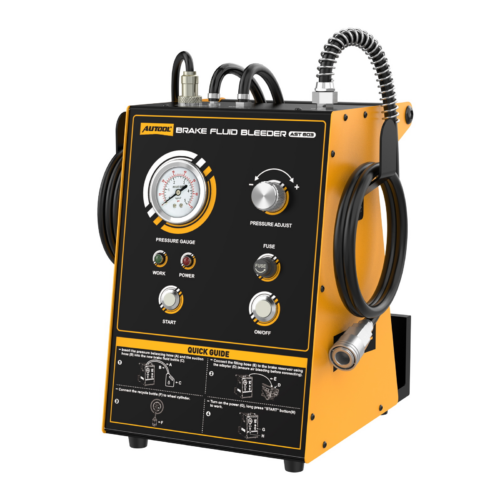
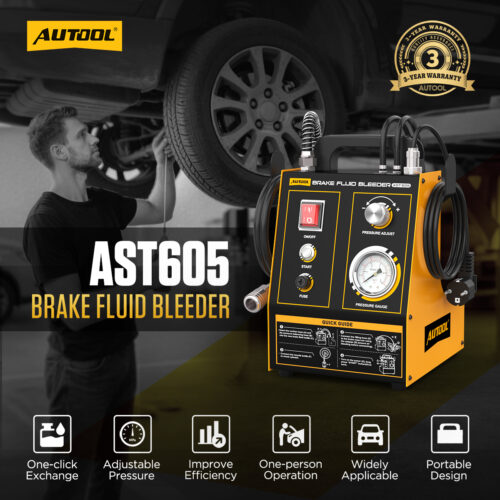
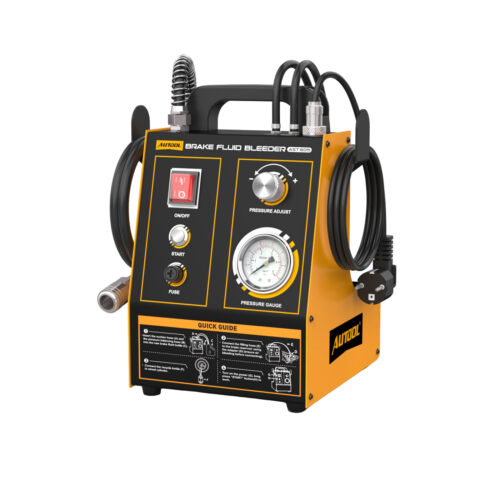
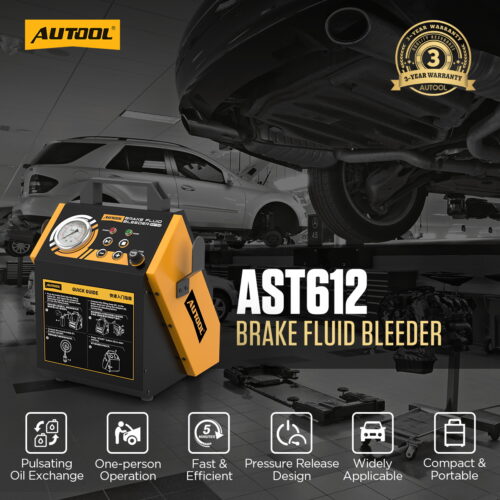
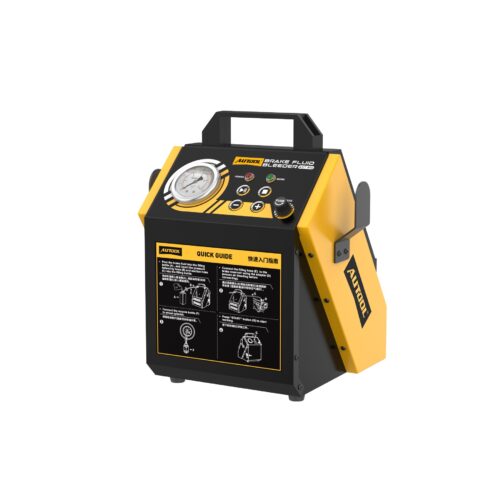
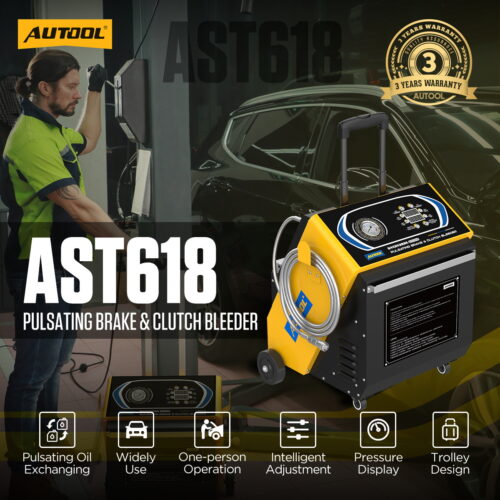
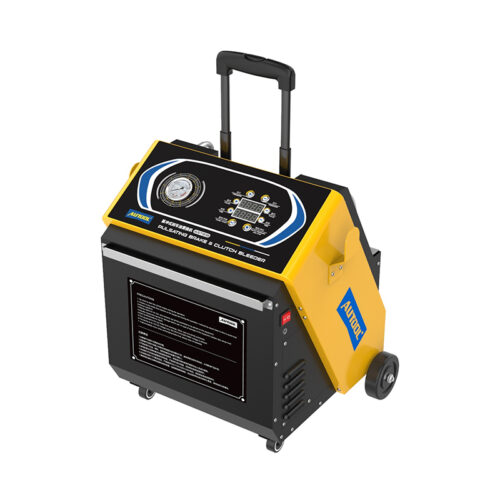
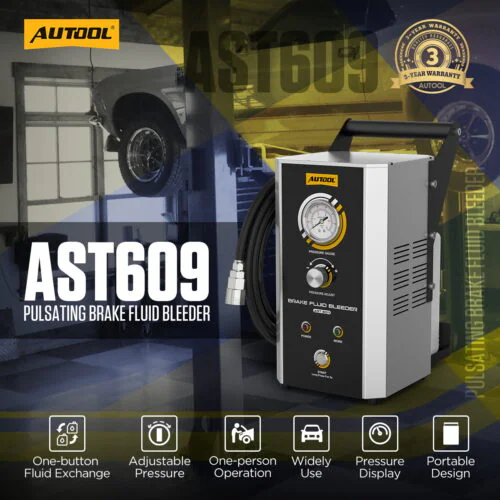
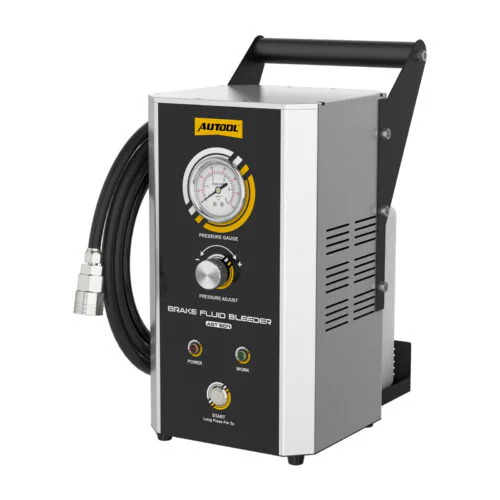
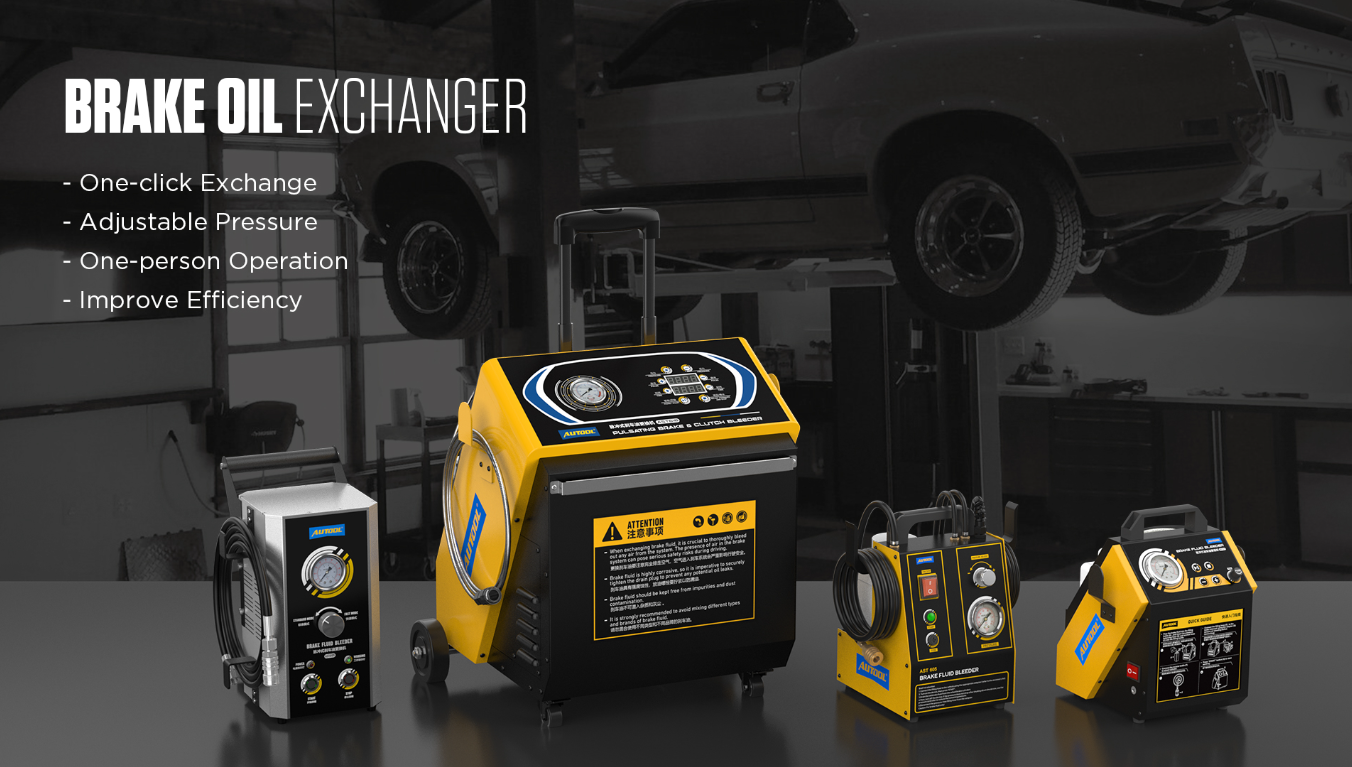
Az eredeti vibrációs és fékszerviz részleg benne van az árban AUTOOL AST603, AST605, AST612, és AST618. Ezeket a fékfolyadék légtelenítéséhez és cseréjéhez használt munkafolyamatok rövid kódjaiként őrzik meg.
Vízben való áthajtás után a fékteljesítmény gyakran romlik, mivel vízréteg képződik a fékbetétek és a tárcsák között, ami átmeneti megcsúszást okoz. Finoman nyomja meg a fékpedált néhányszor, hogy hő keletkezzen, megszárítsa a betéteket és a tárcsákat, és helyreállítsa a normál fékezést.
Ha a fékezés továbbra is gyengének érződik, vizsgálja meg alaposabban a fékrendszert. Lehetséges, hogy víz került a fékolajkörbe, megzavarva az autó fékfolyadékának áramlását, vagy rozsdásodást okozhatott a kulcsfontosságú alkatrészeken.
Először is, ellenőrizze a kerekek belsejét vagy a jármű alvázát olajfoltok után kutatva. Az autó fékfolyadéka általában halványsárga vagy átlátszó, ami segít megkülönböztetni más folyadékoktól.
Ha a fékfolyadék szintje túl alacsony, levegő jut a fékvezetékekbe, és befolyásolja a fékteljesítményt. Súlyos esetekben ez a fékképesség teljes elvesztéséhez vezethet, és komoly biztonsági kockázatot jelenthet.
Ha vezetés közben hirtelen felmondják a szolgálatot az autó fékjei, nyugodtan próbálja meg a következő lépéseket:
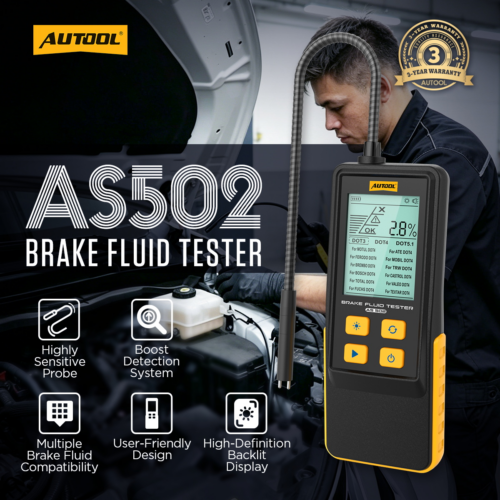
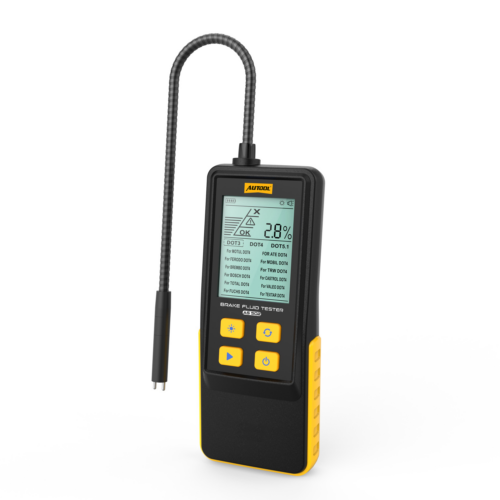
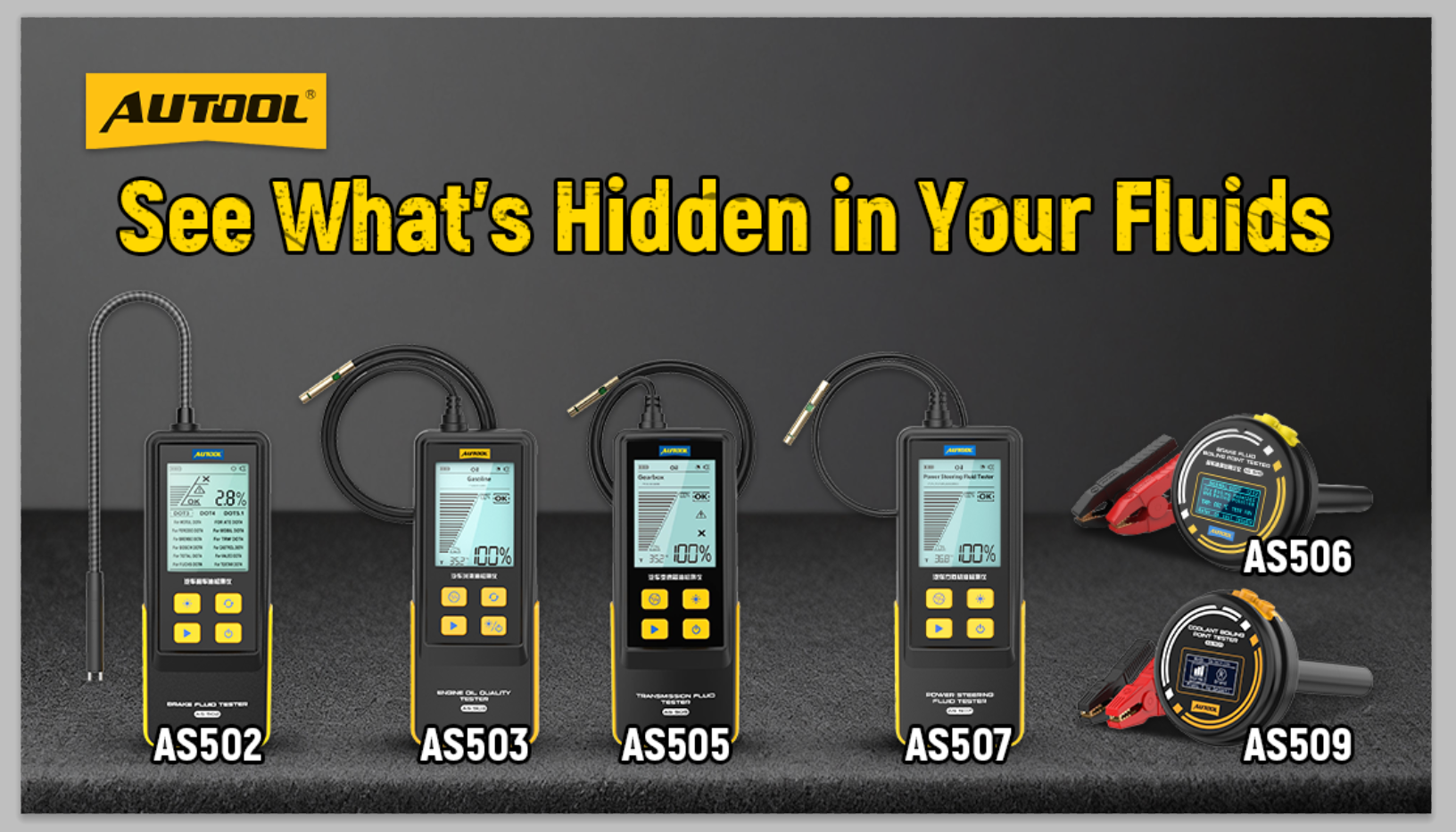
A járművek karbantartása során a fékfolyadék tesztelése kritikus fontosságú a vezetési biztonság szempontjából. A hagyományos módszerekkel összehasonlítva a AUTOOL AS502 megbízhatóbb adatokat biztosít a nagyobb érzékenység és pontosság révén. Érzékeli a fékfolyadék víztartalmát, és pontosabban értékeli a folyadék teljesítményét, segítve a tulajdonosokat és a szerelőket annak meghatározásában, hogy szükség van-e a fékfolyadék cseréjére.
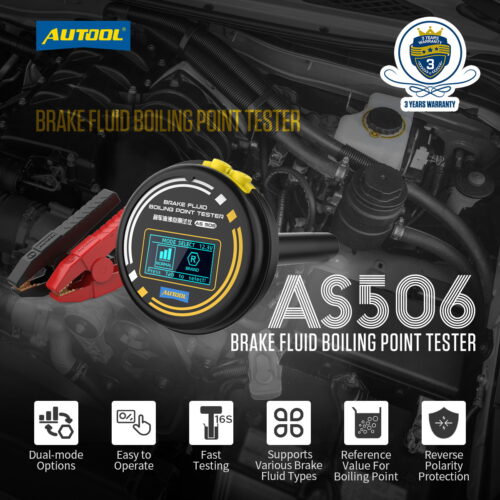
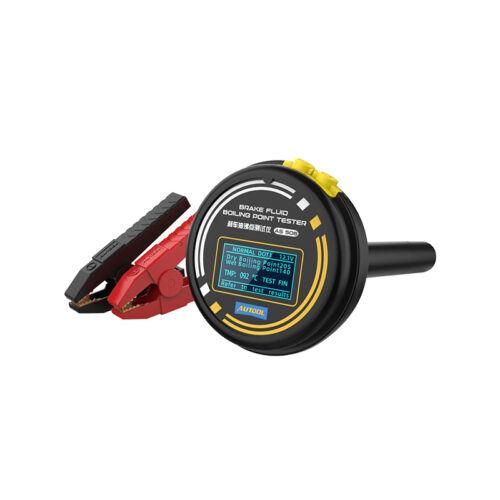
A AUTOOL AS506 Az autó fékfolyadék forráspontmérője két módot támogat: normál és márkájú. A felhasználók a folyadék típusa, márkája és összetétele alapján válthatnak, lehetővé téve mind a normál, mind a prémium kategóriás fékfolyadék pontos érzékelését. AS506 mindössze 16 másodperc alatt befejezi a folyadékállapot-tesztelést, javítva a hatékonyságot és támogatva a gyors karbantartási döntéseket.
Ha megfizethetőbb áron szeretné többször is ellenőrizni autója fékfolyadékának minőségét és forráspontját, akkor a AUTOOL AS502 és AS506 praktikus választások. Könnyen kezelhetők és gyors tesztelést tesznek lehetővé a professzionális karbantartás érdekében.
Fékfolyadék-teszter kedvezményeiért forduljon Hannához.
WhatsApp: +86 18926477404
E-mail: [email protected]
Kapcsolódó termékek
WooCommerce termék rövidkódján keresztül renderelve, így a kártyák öröklik a globális termékkártya struktúrát és a Blocksy/WooCommerce stílusokat.