Kategorizálatlan
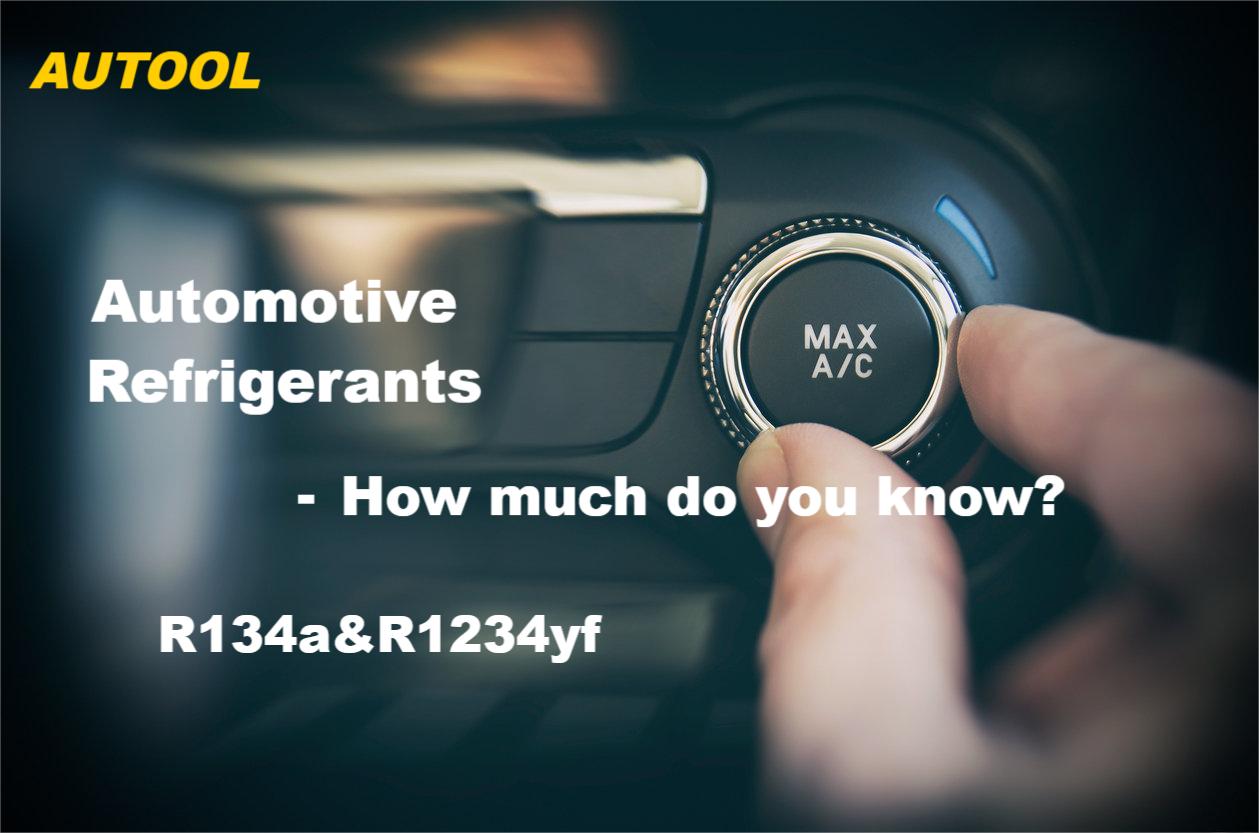
Autóipari hűtőközegek – Mennyit tudsz róluk?

július 1, 2024
Részesedés:
 autoolstore.com
A nyár közeledtével elgondolkodott már azon, hogy honnan jön a hideg levegő, amikor bekapcsolja az autója légkondicionálóját? A válasz az, hogy a hideg levegő egy része az autó légkondicionáló rendszerében lévő hűtőközegből származik.
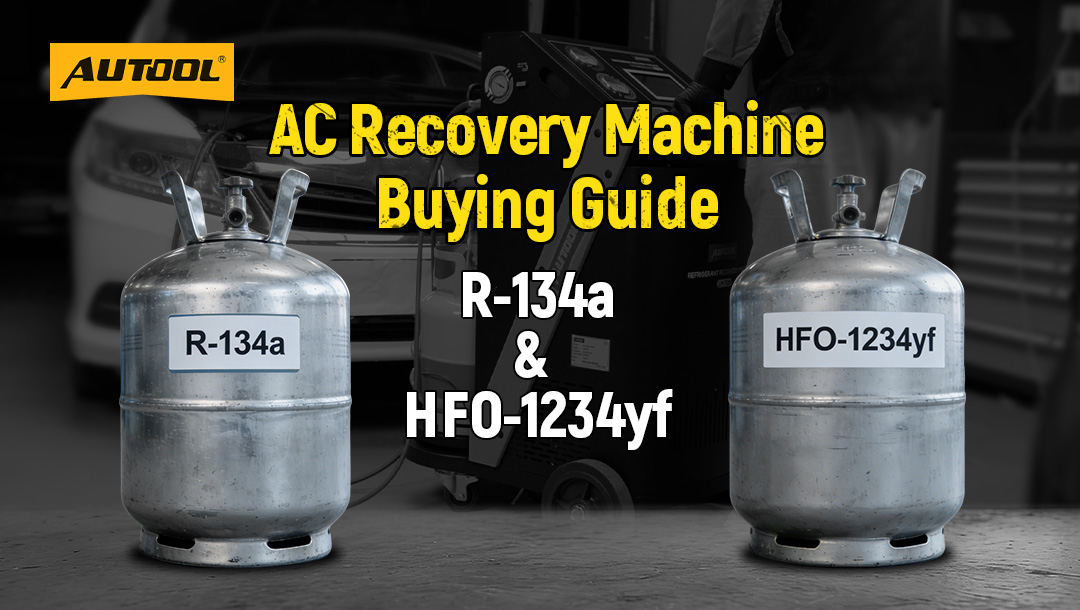
Ha Ön autótulajdonos, ez a cikk segít megismerni a három leggyakrabban használt autóipari hűtőközeget, és azt, hogy melyikre van szüksége az autójának. Ha Ön egy javítóműhelyben dolgozó szakember, azt is elmagyarázza, miért fontosak a hűtőközeg-visszanyerési és -utántöltő berendezések.
Biztonsági és környezetvédelmi emlékeztető
Hűtőközeg-generációk
Az eredeti cikk generációk szerint rendszerezi az autóipari hűtőközegeket, kezdve a régebbi, ózonréteget károsító hűtőközegekkel, és haladva az újabb, modern járművekben használt hűtőközegek felé.
R12 Az autóipari hűtőközeg egy klórozott-fluorozott szénhidrogén, amely klórt tartalmaz, ami nagyon károsítja a légköri ózonréteget. R12 évekig széles körben használták, mivel hatékony és olcsó volt. 1994-ben az Egyesült Államok betiltotta R12 minden új autóban, és R12 most már világszerte betiltva van.
R22 Az autóipari hűtőközeg egy második generációs hűtőközeg, amely szintén károsítja a légkör ózonrétegét. Magas üvegházhatású, és ezt a típusú hűtőközeget ma már ritkán használják autóipari hűtőközegként.
Az idők fejlődésével a gépkocsik iránti kereslet megnőtt, és a környezetvédelmi politikák világszerte javultak. 1994 óta szinte minden gyártott autó fel van szerelve... R134a hűtőközeg, amely lehetővé teszi a légkondicionáló rendszerek számára, hogy forró nyári napokon hűvös levegőt fújjanak.
R134a nem károsítja a légkör ózonrétegét, de magas az üvegházhatása. A mai mércével mérve, R134a nem igazán környezetbarát, mert a légkörbe kerülhet, és hosszú időbe telhet, mire lebomlik. Ennek eredményeként az Egyesült Államokban 2021 után eladott összes új autóban már nem lehet majd ezt a hűtőközeget használni.
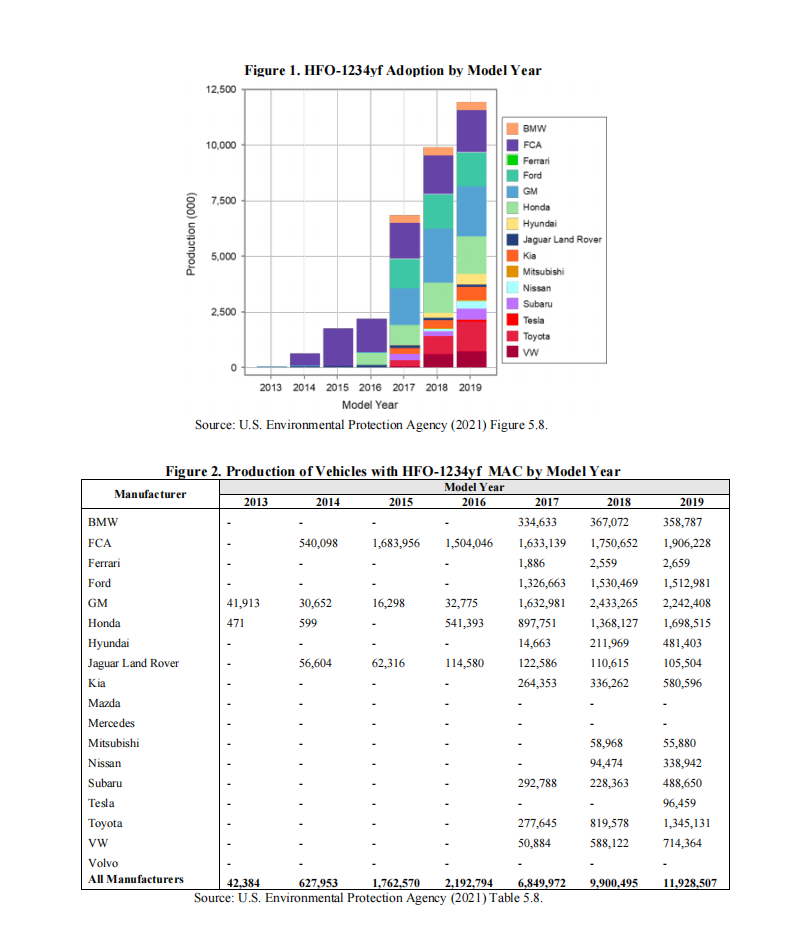
2022 végére közel 200 millió R1234yf hűtőközeget használó járművet értékesítettek. Ebből csak az Egyesült Államokban és Európában 171 millió és 180 millió közötti darabot adtak el, a világ más részeinek további eladásain felül.
Az eredeti cikk szerint Európában több mint 100 millió, az Egyesült Államokban pedig több mint 80 millió jármű használ R134yf hűtőközeget, és ma már könnyen át lehet alakítani az autók klímarendszerét R134a használatáról R1234yf-kompatibilitásra. Különösen fontos ügyelni arra, hogy a hűtőközegeket nem szabad keverni.
Kompatibilitás és óvatosság
Az eredeti cikk kiemeli R1234yf aktuális témaként, és emlékezteti az olvasókat, hogy ne keverjék a hűtőközegeket. Azt is mondja, hogy a bejegyzés folyamatosan frissülhet a veszélyekkel kapcsolatos legfrissebb információkkal. R1234yf.
Visszanyerő és utántöltő berendezések
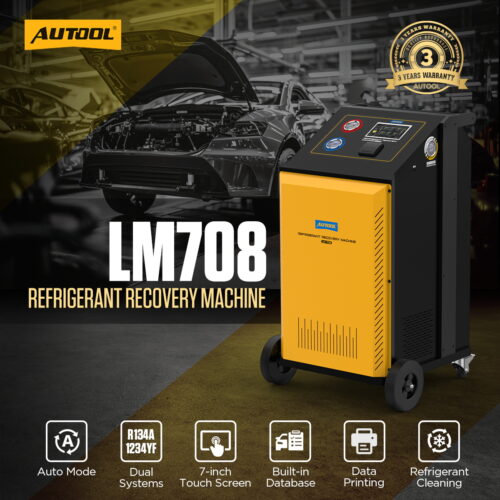
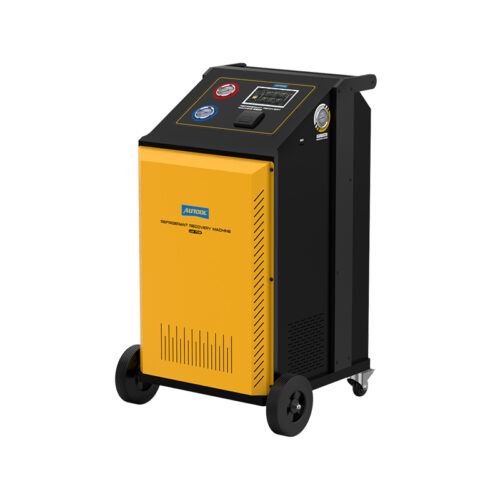
AUTOOL kétféle hűtőközeg-leválasztó utántöltőt korszerűsített, LM707 és LM708. Ha további információt szeretne róluk kapni, vegye fel a kapcsolatot a AUTOOL Az eredeti cikk azt is megjegyzi, hogy egy későbbi cikkben be fogják mutatni AUTOOL A hűtőközeg-lenyelő utántöltő funkciói részletesen.
Kapcsolódó termékek
WooCommerce termék rövidkódján keresztül renderelve, így a kártyák öröklik a globális termékkártya struktúrát és a Blocksy/WooCommerce stílusokat.