Tippek és oktatóanyagok
Az autótöltő rendszer felépítésének és működési elvének rövid leírása

július 28, 2021
Részesedés:
 autoolstore.com
Az autó töltőrendszere generátorból, akkumulátorból, feszültségszabályozóból, töltésjelzőből, a kapcsolódó vezetékekből és egyéb tartóelemekből áll. Ezek az alkatrészek együttesen működtetik az elektromos berendezéseket, és járó motor közben feltöltve tartják az akkumulátort.
Sokan azt hiszik, hogy az akkumulátor az autó fő áramforrása, de normál vezetés közben a generátor az igazi áramforrás. Az akkumulátor elsősorban az indítást támogatja, és akkor segít, ha a generátor teljesítménye nem elegendő.
Fő alkatrészek
Tápegység szerepei
Amikor a motor normálisan jár, az autó szinte teljes áramellátását a generátor biztosítja. Amikor marad energia, a generátor tölti az akkumulátort. Egy általános autógenerátor teljesítménye körülbelül 0,8-1,5 kW, ami a legtöbb esetben kielégíti az autó áramigényét, az akkumulátor pedig kiegészíti azt, amikor az áramtermelés nem elegendő.
Néhány kis lökettérfogatú motornál, amikor a generátor több energiát termel és nagyobb terhelést hoz létre, a motor a megnövekedett terhelés miatt rázkódhat. A motor automatikusan növeli a fordulatszámot a motorteljesítmény fokozása érdekében.
A legtöbb autógenerátor szilícium-egyenirányítós háromfázisú generátor, amely szilícium-diódákat használ egyenirányítóként a váltakozó áram egyenárammá alakításához. A fő szerkezeti elem a rotor, az állórész, a kefe és a csúszógyűrűs mechanizmus, a háromfázisú híd-egyenirányító, a csapágyak, a ventilátor, valamint az első és hátsó zárófedelek. A rotor mágneses mezőt generál, az állórész áramot küld, az egyenirányító pedig a háromfázisú váltakozó áramot pulzáló egyenfeszültséggé alakítja. A generátor teljesítménytermelése a motor fordulatszámával növekszik.
Az akkumulátor stabilizálja az áramellátó rendszer feszültségét is. Egy nagy kondenzátorral egyenértékű, amely elnyeli az áramkörben fellépő pillanatnyi túlfeszültséget, így védi az elektromos berendezéseket. Amikor a motor normálisan működik, a generátor kimeneti feszültsége magasabb, mint az autó akkumulátorának feszültsége, így a generátor az indítómotor kivételével az összes elektromos berendezést táplálja, és tölti az akkumulátort. Az akkumulátor a belső tárolt energiáját használja az indítómotor meghajtására, főként a motor indításakor.
Gerjesztés és egyenirányítás
Amikor bekapcsoljuk a gyújtáskapcsolót, az akkumulátor gerjesztőáramot szolgáltat a generátor forgórészének, amely ezután mágneses mezőt hoz létre. Ezután beindul a motor, és működésre készteti a generátort. Az állórésztekercs elvágja a forgórész tekercsének mágneses vonalait, háromfázisú váltakozó áramot hozva létre, amely szilícium-egyenirányítás után egyenárammá alakul, és a kültérbe kerül.
Mivel a generátor fordulatszáma alacsony, a gerjesztőáramát az akkumulátor biztosítja. Ahogy a generátor fordulatszáma egyre nagyobb lesz, a termelt energia is egyre nagyobb lesz, és a rotor tekercselési áramát a generátor saját árama biztosítja. Ezt „öngerjesztésnek” nevezik.
Amikor a motor normálisan működik, a generátor is nagy fordulatszámon működik a motorral együtt, elektromos energiát küldve az autó elektromos berendezéseinek, a felesleges energiát pedig az akkumulátor töltésére fordítja. Amikor az akkumulátor fel van töltve, a feszültségszabályozó lekapcsolja a rotor gerjesztőáramát, és a generátor leállítja az áramtermelést. Amikor az akkumulátor feszültsége egy bizonyos értékre csökken, a feszültségszabályozó visszakapcsolja a gerjesztőáramot, és a generátor folytatja az áramtermelést.
Ez a folyamat ismétlődik, hogy biztosítsa az autó elektromos berendezéseinek normál működését és az akkumulátor teljes feltöltöttségét. Annak érdekében, hogy az autó alacsony sebességnél is képes legyen áramot termelni, az általános generátor fordulatszáma 2,5-3-szorosa a motor fordulatszámának, így még alapjáraton is képes a generátor normál módon áramot termelni.
Töltésjelző és napi ellenőrzés
Ha a töltésjelző világít, vagy a voltmérő mutatója 24 V alatt van, amikor az autó jár, az azt jelenti, hogy a generátor nem tölt, vagy a töltési mennyiség túl alacsony, és a töltőrendszert fel kell újítani.
Az autótöltő rendszerek gyakori hibái közé tartozik a töltés hiánya, a túltöltés és az alultöltés. A hibák okai főként a rossz hálózati érintkezés és a generátor meghibásodása. Általánosságban elmondható, hogy a modern generátorok nagymértékben integráltak, és normál körülmények között nem szétszerelhetők és javíthatók; csak egyben cserélhetők.
Használat közben ne használja a generátor kimenetének azonnali földelési módszerét annak megállapítására, hogy a generátor termel-e áramot, és ne távolítsa el az akkumulátort vagy más nagyobb elektromos berendezést, amikor a generátor nagy sebességgel működik. Ellenkező esetben a túlfeszültség tönkreteheti a precíziós elektronikus alkatrészeket.
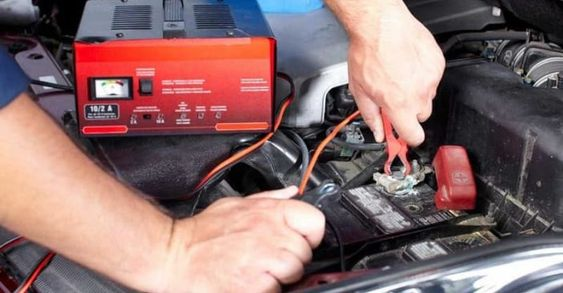
A napi karbantartás során gyakran ellenőrizni kell a generátor és az akkumulátor közötti csatlakozást, hogy megbizonyosodjunk arról, hogy a csatlakozás szilárd és megbízható, és nincsenek rozsdák az illesztéseknél. Ellenőrizze a generátorszíj feszességét is. Ha a szíj túl laza, a generátor fordulatszáma túl alacsony lehet az áramtermeléshez. Ha a szíj túl feszes, könnyen károsíthatja a szíjat és a generátor csapágyait.
Kapcsolódó termékek
WooCommerce termék rövidkódján keresztül renderelve, így a kártyák öröklik a globális termékkártya struktúrát és a Blocksy/WooCommerce stílusokat.