AUTOOL Blog, Savjeti i tutorijali
Je li akumulator mog automobila prazan ili ispražnjen?

10 veljače, 2025
Udio:
 autoolstore.com
Znakovi praznog akumulatora automobila
Prazna baterija obično znači da se ne može ponovno pouzdano napuniti i da ju je potrebno zamijeniti. Najčešće znakove lako je prepoznati ako provjerite i odziv vozila i fizičko stanje baterije.
Nema reakcije prilikom okretanja ključa
Ako okrenete ključ za paljenje ili pritisnete gumb za pokretanje i ništa se ne događa, bez zvuka i svjetla, akumulator je možda prazan.
Ispuhivanje kućišta baterije
Ispuhnuće kućišta baterije obično je uzrokovano prekomjernim punjenjem ili pregrijavanjem. Ovo stanje može ukazivati na to da se baterija ne može popraviti i da je treba zamijeniti.
Starost baterije
Većina automobilskih akumulatora traje oko 3-5 godina. Ako je akumulator već u tom rasponu godina ili stariji, problemi s pokretanjem mogu značiti da je blizu kraja svog vijeka trajanja.
Znakovi ispražnjenog akumulatora automobila
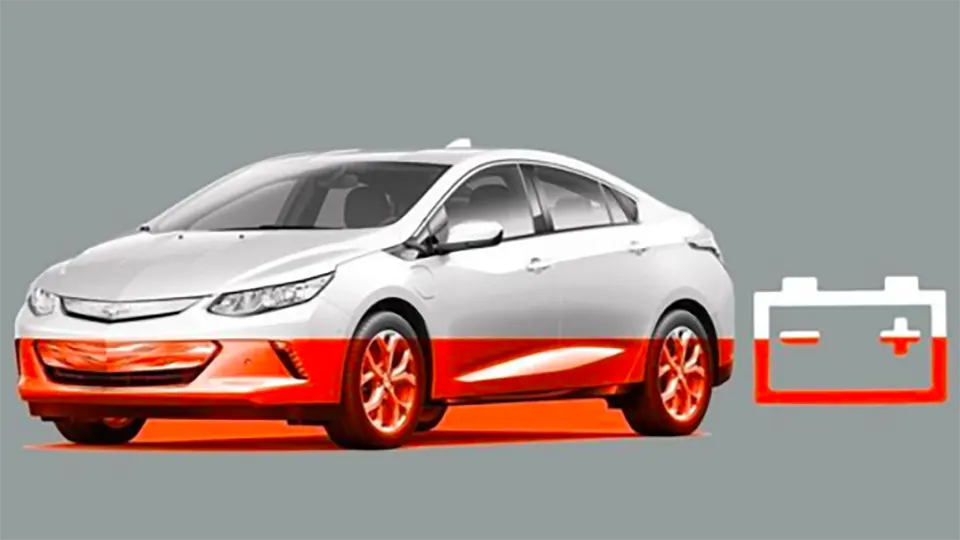
Ispražnjena baterija nema dovoljno napunjenosti, ali se još uvijek može ponovno napuniti. Nije nužno potrebno odmah je zamijeniti. Ključno je razlikovati privremeno stanje niske napunjenosti od ponovljenog kvara.
Testiranje baterije
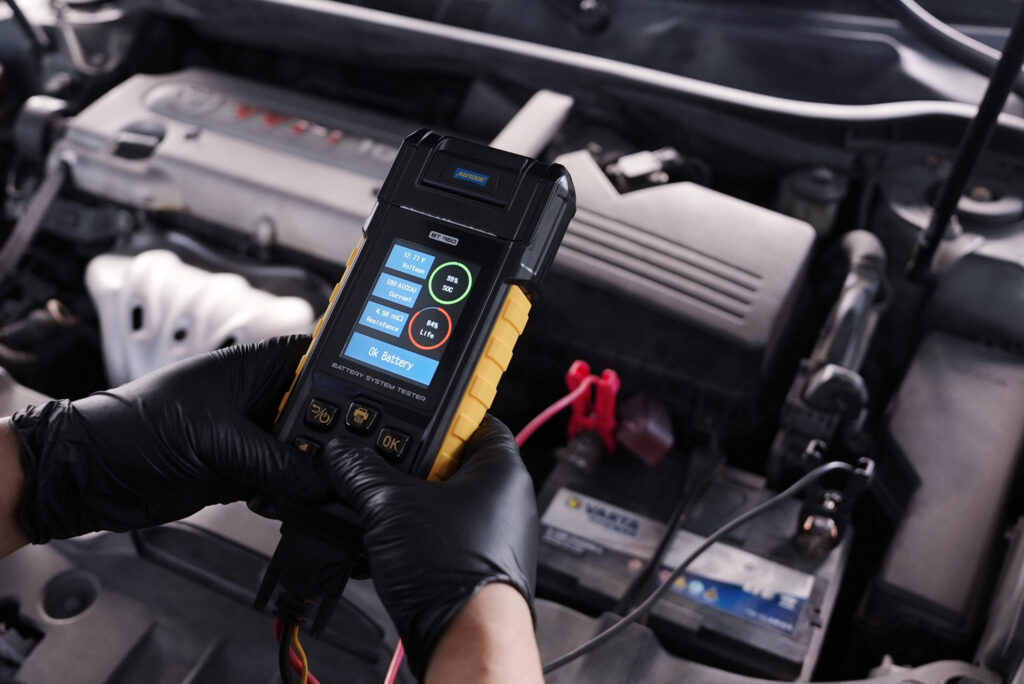
Najbolji način za utvrđivanje stanja automobilskog akumulatora je testiranje umjesto nagađanja na temelju jednog simptoma. Osnovni pregled može otkriti očita oštećenja, dok testovi napona i opterećenja pokazuju može li akumulator još uvijek držati napunjenost pod stvarnom potražnjom.
Vizualni pregled
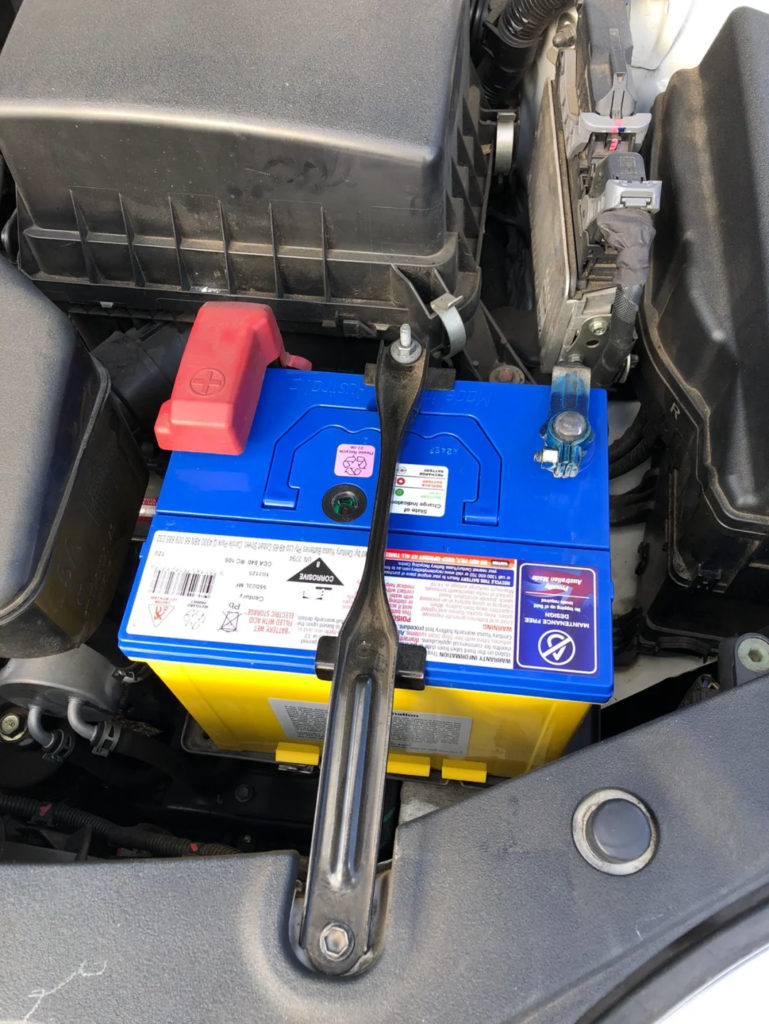
Započnite provjerom akumulatora automobila na vidljiva oštećenja, koroziju na terminalima ili pukotine na kućištu akumulatora. Ti problemi mogu utjecati na performanse i sigurnost akumulatora.
Koristite multimetar
S ugašenim motorom, ispravan akumulator trebao bi pokazivati napon između 12,4 i 12,7 volti. Ispod 12,4 volti često ukazuje na ispražnjen akumulator. Značajno ispod 12 volti može ukazivati na mrtav akumulator.
Pokrenite test opterećenja
Test opterećenja procjenjuje sposobnost baterije da zadrži napunjenost pod opterećenjem. Ovaj test može provesti stručnjak. tester automobilskih akumulatora ili dijagnostički alat.

Napunite, dijagnosticirajte ili zamijenite
Ako je akumulator automobila samo prazan, punjenje bi trebalo riješiti trenutni problem. Međutim, i dalje je važno razumjeti zašto se akumulator ispraznio. Česta pražnjenja mogu ukazivati na starenje akumulatora, kvar sustava punjenja ili neki drugi električni problem, stoga treba provjeriti uzrok prije nego što se isti problem s nemogućnošću pokretanja vrati.
Ako je akumulator automobila prazan, zamjena je obično ispravno rješenje. Stari ili oštećeni akumulator ne može se pouzdano oživjeti i ne treba ga tretirati kao normalan akumulator s niskim napunjenjem.
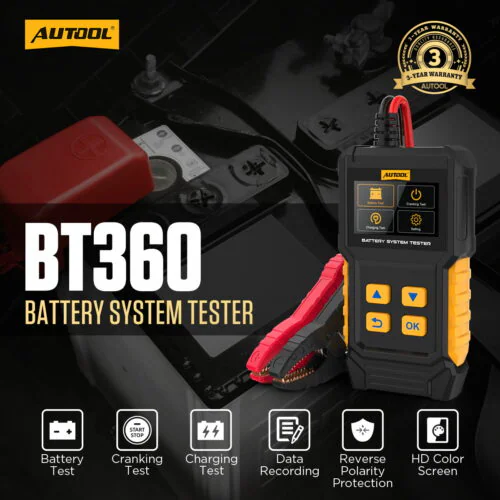
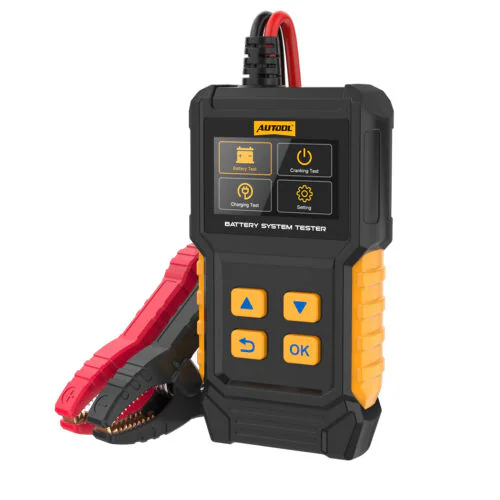
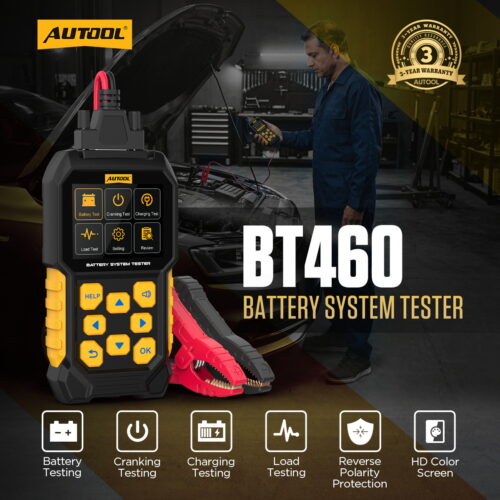
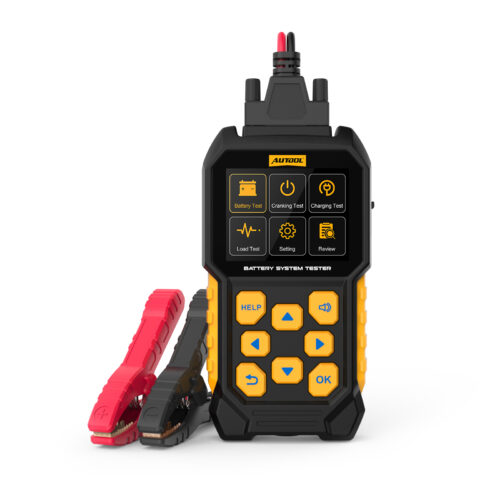
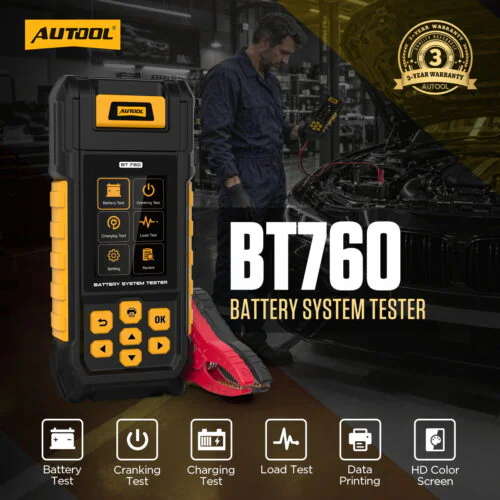
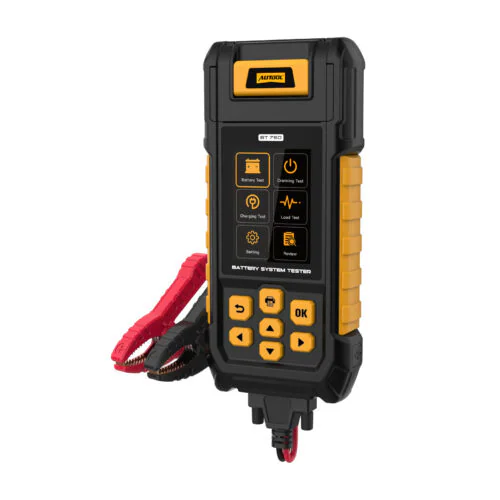
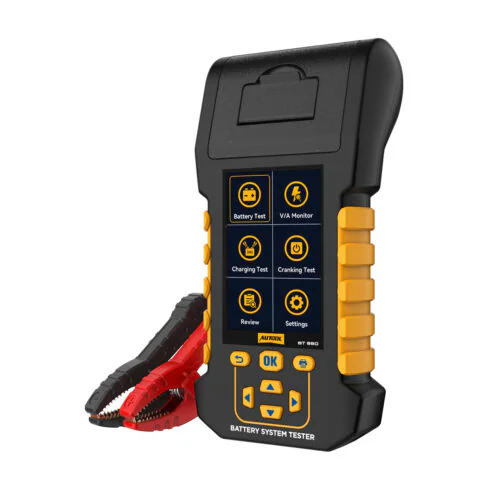
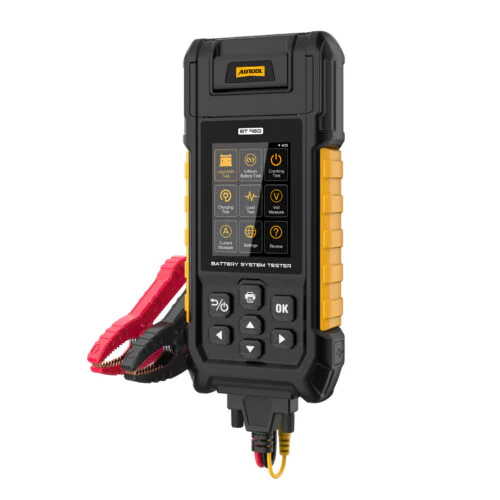
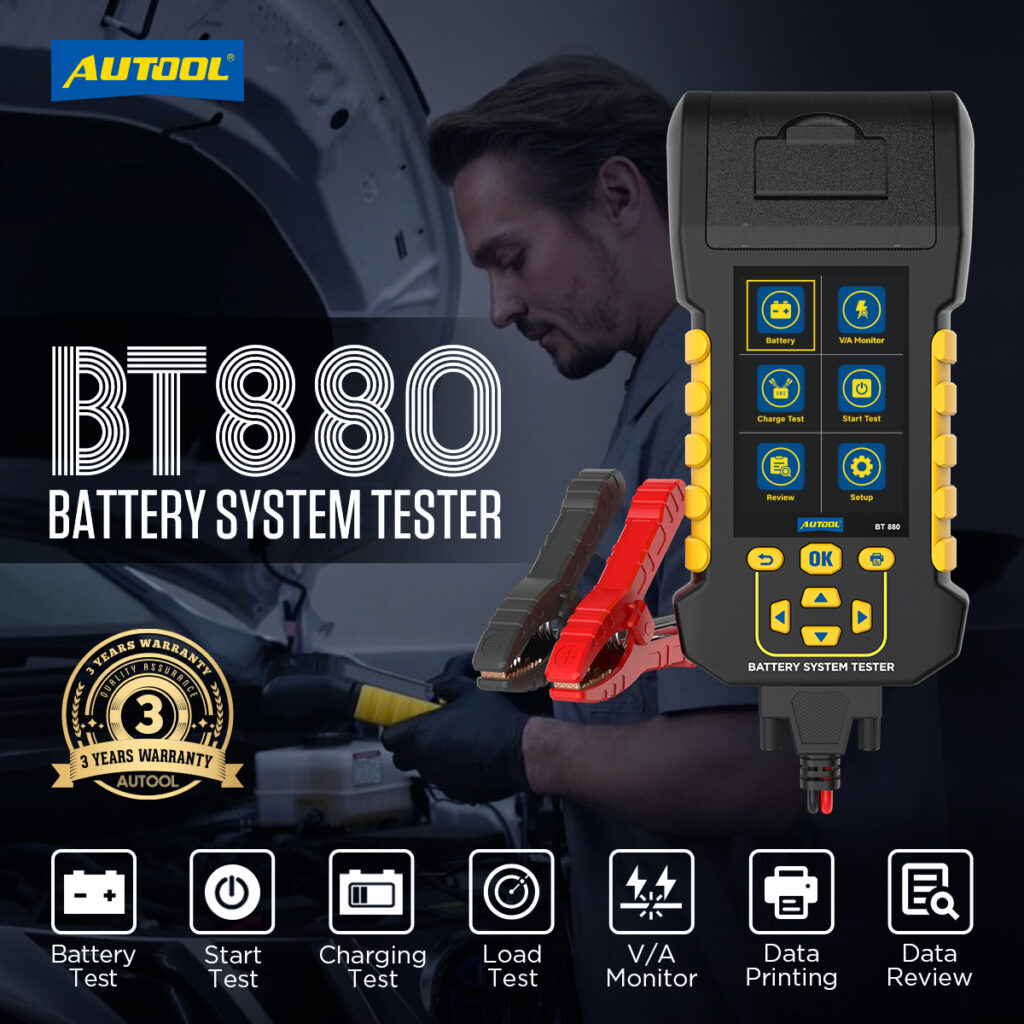
Vlasnicima osobnih automobila preporučuje se redovito korištenje testera akumulatora. AUTOOL Tester za automobilske akumulatore može pomoći u dijagnosticiranju je li akumulator ispražnjen ili mrtav, a također može provjeriti sustav punjenja kako bi se osiguralo da se akumulator pravilno puni. Testiranje prije zamjene može spriječiti nepotrebne troškove, voditi sigurnije odluke o održavanju i pomoći u učinkovitom povratku vozila na cestu.
Razumijevanje razlike između praznog i ispražnjenog akumulatora u automobilu može vam pomoći da izbjegnete nepotrebne zamjene i troškove. Redovita provjera akumulatora u automobilu može produžiti njegov vijek trajanja, rano otkriti probleme sa sustavom punjenja i smanjiti neočekivane kvarove.
Povezani proizvodi
Renderirano putem WooCommerce kratkog koda proizvoda tako da kartice nasljeđuju globalnu strukturu kartice proizvoda i Blocksy/WooCommerce stilove.