Workshop Pressure Testing Guide

In the automotive repair industry, precise pressure testing is crucial for ensuring the proper operation of vehicles. With advancements in technology, digital pressure gauges have increasingly become the preferred tools in many workshops.

This article introduces the AUTOOL series of digital pressure gauges and compares them with traditional pressure gauges, highlighting the advantages of digital pressure measurement for workshop use.

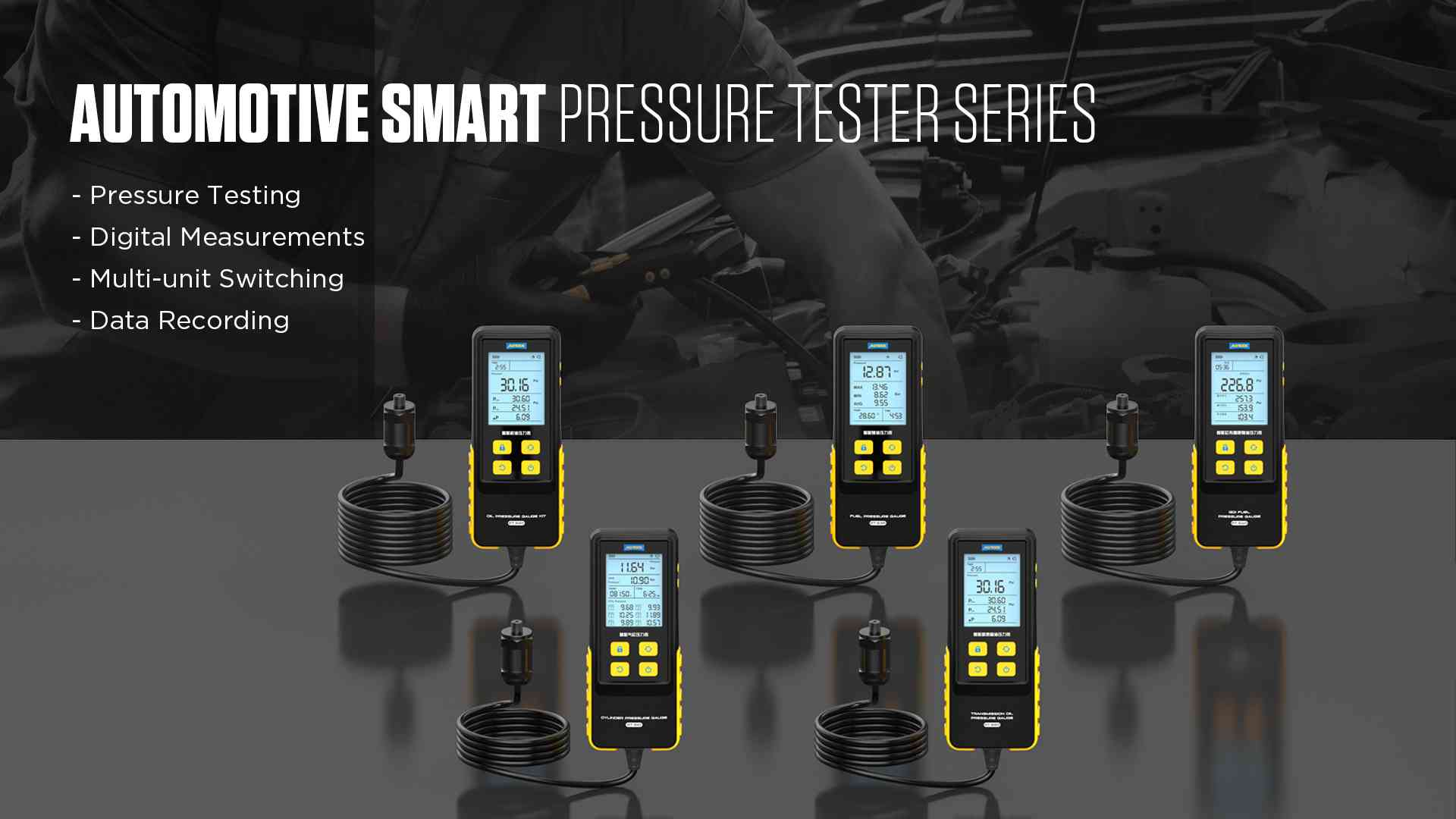
AUTOOL Gauge Series

Digital pressure gauge options

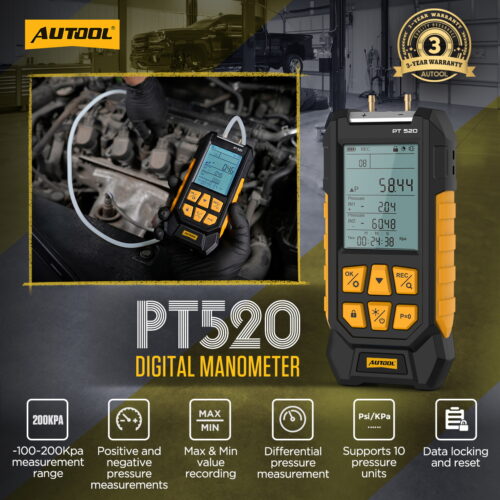
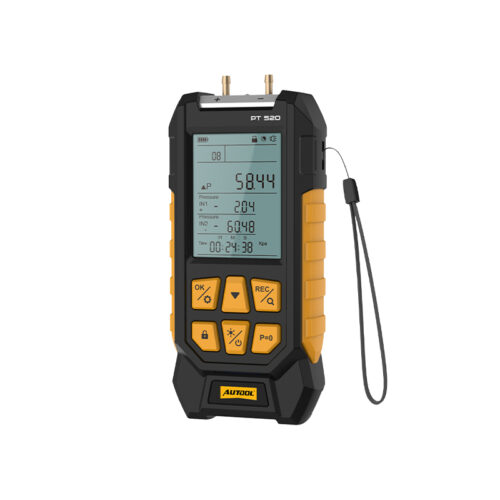
Digital Pressure Gauges for Workshop Testing

The article originally introduced several AUTOOL pressure testing tools through individual product cards. The product cards below are now rendered by WooCommerce shortcodes so they follow the same product-card system as the reference Post layout.

Gauge 01

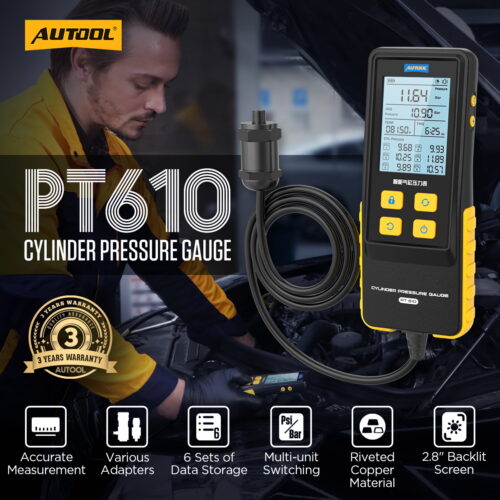
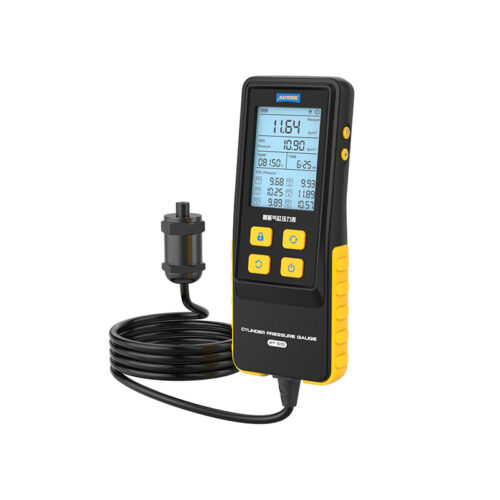
PT610 cylinder pressure gauge

Cylinder Pressure Gauge

Why Do We Test Automotive Cylinder Pressure?

In the field of automotive repair and testing, the engine cylinder pressure gauge plays a role similar to that of a doctor’s stethoscope. This specialized tool allows technicians to quickly “listen” to the sounds within the engine, helping to assess its health status.

The cylinder pressure gauge helps diagnose cylinder health, locate faults, and evaluate engine performance.

  • Diagnosing cylinder healthMeasuring compression pressure within the cylinder helps determine the health of the cylinder, piston rings, and valves.
  • Fault locationBy comparing compression pressures of different cylinders, technicians can quickly identify low-pressure or leaking cylinders, leading to potential fault diagnosis.
  • Performance evaluationNormal compression pressure is essential for optimal engine performance. The measurement results assist in evaluating the overall performance of the engine.

How To Use a Cylinder Pressure Gauge

  1. Step 1Start the engine and allow it to reach normal operating temperature.
  2. Step 2Shut down the engine and remove the spark plugs, ensuring all cylinders are in a non-pressurized state.
  3. Step 3Attach the cylinder pressure gauge to the spark plug hole.
  4. Step 4Briefly start the engine and record the data on the pressure gauge.
  5. Step 5Use the manual or reference data to compare the compression pressures of each cylinder and assess their working condition.
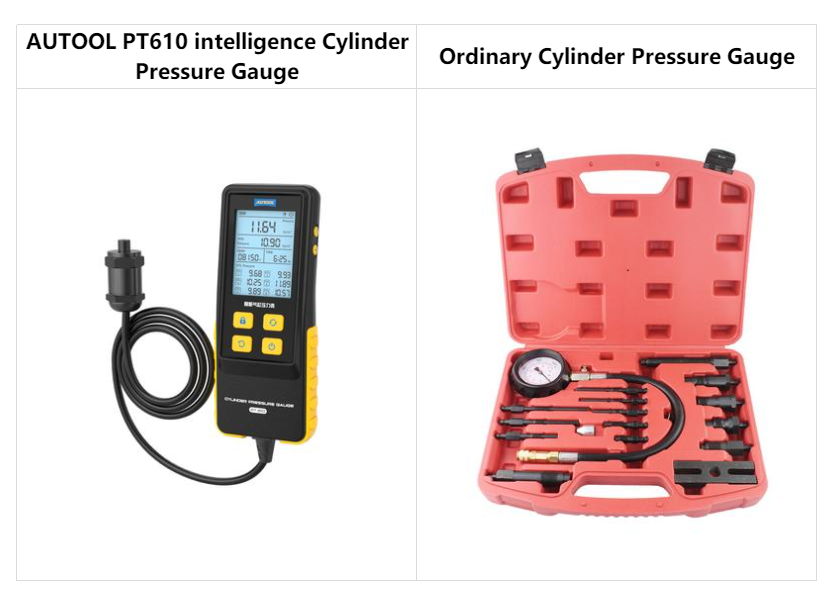
AUTOOL PT610 cylinder pressure gauge comparison

Advantages of AUTOOL PT610 Compared to Traditional Cylinder Pressure Gauges

  • Measurement range and accuracyTraditional cylinder pressure gauges have a limited measurement range, and the needle can easily become misaligned. The PT610 offers a wide measurement range and high accuracy, with readings precise to two decimal places. It covers 0-426.6 psi / 0-30 kg/cm² and supports data resetting.
  • Average pressure displayTraditional cylinder pressure gauges do not display average pressure values. The PT610 interface shows the average pressure, ambient temperature, and measurement time.
  • Data recordingTraditional gauges require manual recording of each cylinder’s pressure data. The PT610 can simultaneously record data for six cylinders and save it, reducing repeated tests and saving time.
  • Low-light visibilityThe PT610 features a 2.8-inch high-definition display with a backlight design, making data easy to read even in dark environments.
Gauge 02

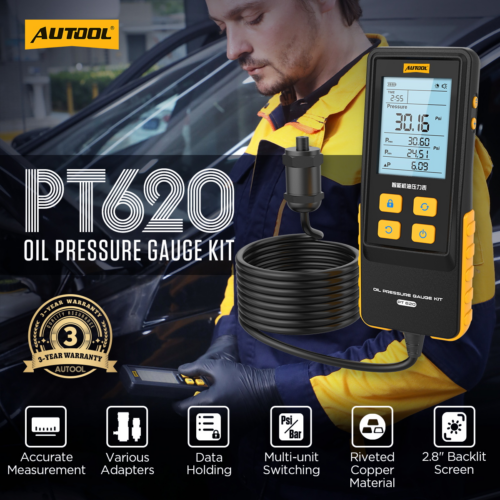
PT620 engine oil pressure gauge

Oil Pressure Gauge

Why Do We Need To Test Automotive Oil Pressure?

Engine oil is crucial in automobiles, and we need to regularly check oil pressure to prevent serious issues like cylinder scuffing or bearing failure due to insufficient oil. The oil pressure gauge is used to measure engine oil pressure, allowing us to determine whether the engine’s lubrication system is functioning properly.

Steps for Operating the Oil Pressure Gauge

  1. Step 1Remove the oil pressure sensor.
  2. Step 2Choose the appropriate adapter for the vehicle and connect it to the measurement probe, then attach the measurement fitting to the engine.
  3. Step 3Before testing, adjust the pressure value on the device to zero.
  4. Step 4Start the engine and observe the pressure readings on the oil pressure gauge to determine whether the oil pressure is normal.
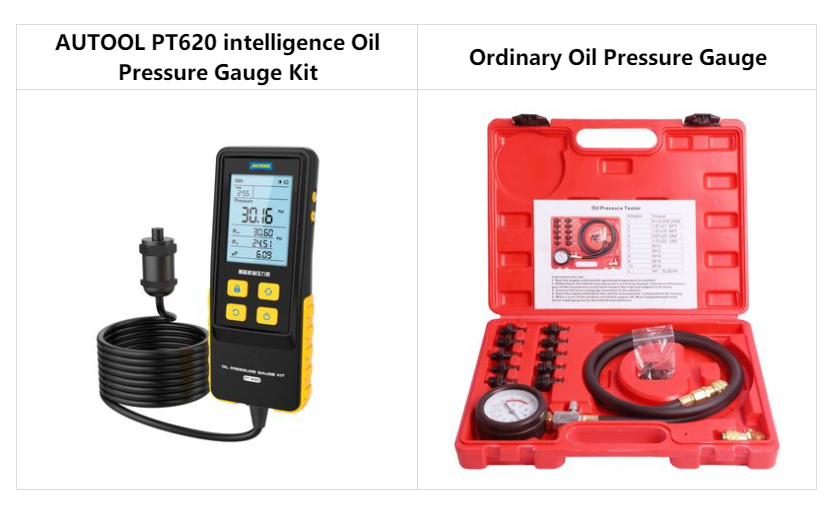
AUTOOL PT620 oil pressure gauge comparison

Differences Between PT620 and Traditional Oil Pressure Gauges

  • Measurement range and accuracyTraditional oil pressure gauges have a limited range and the needle can easily become misaligned. The AUTOOL PT620 offers 0~426.6 psi, 0~30 kg/cm², and 0~29.4 bar with high accuracy and readings precise to two decimal places.
  • Display and constructionTraditional oil pressure gauges typically only have a dial. The PT620 features multiple pressure units and uses copper alloy fittings that are durable, wear-resistant, and oxidation-resistant.
  • Data recording and calculationTraditional gauges require manual data recording and pressure differential calculations during idle and acceleration tests. The PT620 can lock test data, display readings directly, and automatically calculate pressure differentials.
  • Low-light visibilityThe PT620 includes a 2.8-inch high-definition display with a backlight design, ensuring the data is easy to read in dark environments.
Gauge 03

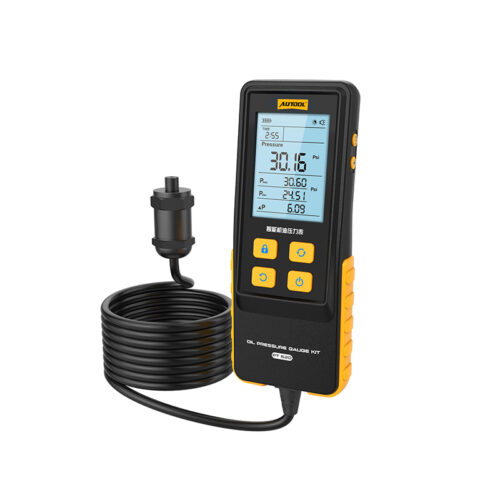
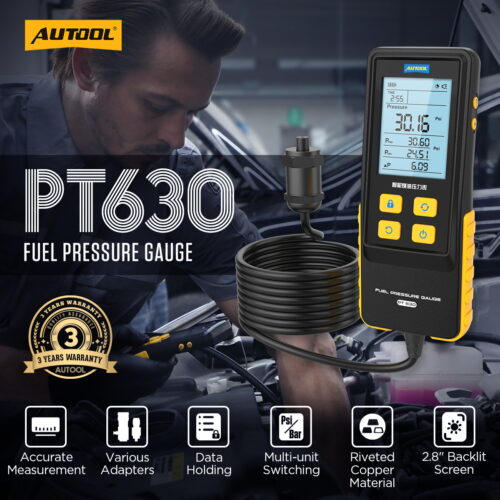
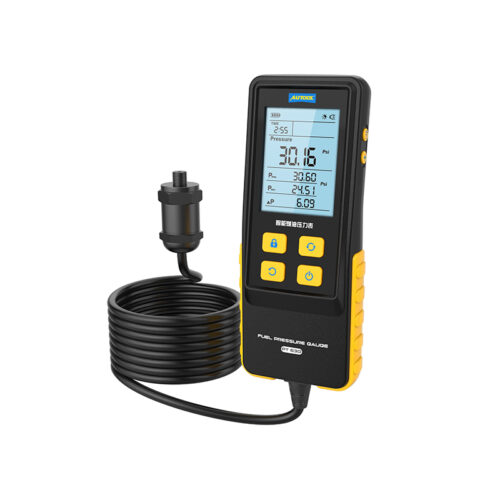
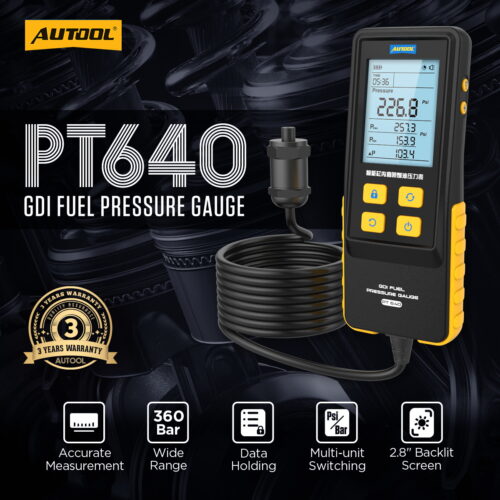
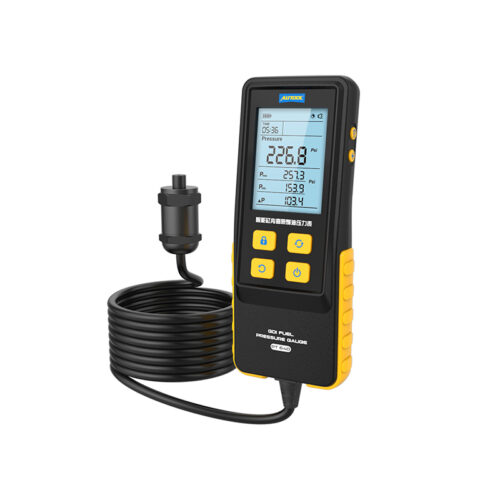
PT630 / PT635 / PT640 fuel pressure gauges

Fuel Pressure Gauge vs. GDI Fuel Pressure Gauge

Why Do We Need To Test Automotive Fuel Pressure?

Fuel pressure testing is crucial for automotive maintenance and repair because it helps identify potential issues and allows timely fixes. The primary purpose of fuel pressure detection is to ensure the proper functioning of the engine’s fuel system, helping guarantee vehicle safety and reliability.

Using a fuel pressure gauge, we can determine whether the fuel system is supplying fuel properly, whether the engine is burning fuel correctly, and whether there are leaks or excessive pressure issues. Timely and regular fuel pressure testing can enhance vehicle safety and reliability, extend engine life, reduce fuel waste, and lower operating costs. AUTOOL has also released a GDI fuel pressure gauge specifically designed for different vehicle types and fuel systems.

Steps for Operating the Fuel Pressure Gauge

  1. Step 1Disconnect the engine’s fuel line connector.
  2. Step 2Choose the appropriate adapter for the vehicle and connect it to the measurement probe, then adjust the device’s pressure value to zero.
  3. Step 3After connecting the measurement fitting to the engine, start the engine.
  4. Step 4The fuel pressure gauge will display the test pressure, allowing you to determine whether the pressure is normal.
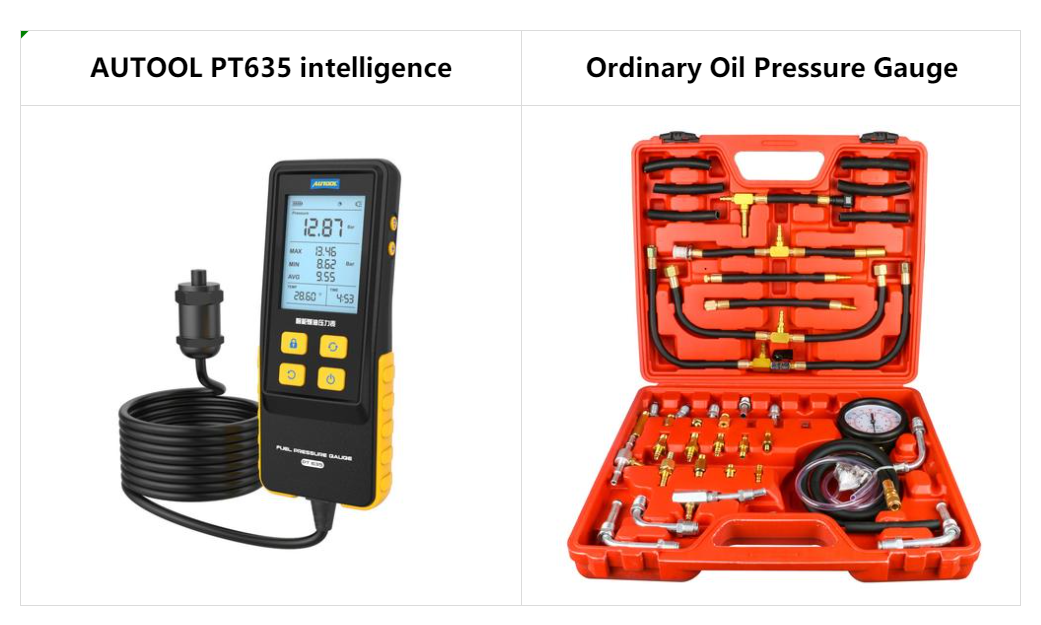
AUTOOL fuel pressure gauge comparison

Differences Between PT635, PT640, and Traditional Automotive Fuel Pressure Gauges

  • Measurement range and accuracyTraditional fuel pressure gauges have a limited measurement range, and the needle can fluctuate during testing. AUTOOL PT635 and PT640 have a wider measurement range, eliminate needle instability, and display data directly with high accuracy down to two decimal places.
  • Ease of measurementTraditional gauges often require two people: one to operate the throttle and the other to record data. PT635 and PT640 can be operated by one person because the gauge can be positioned in the driver’s seat to monitor data while accelerating.
  • Display and constructionTraditional gauges typically only feature a dial. PT635 and PT640 offer multiple pressure units and use copper alloy fittings that are durable, wear-resistant, and oxidation-resistant.
  • Low-light visibilityPT635 and PT640 include a 2.8-inch high-definition display with a backlight design, ensuring that data is easy to read even in dark environments.
Gauge 04

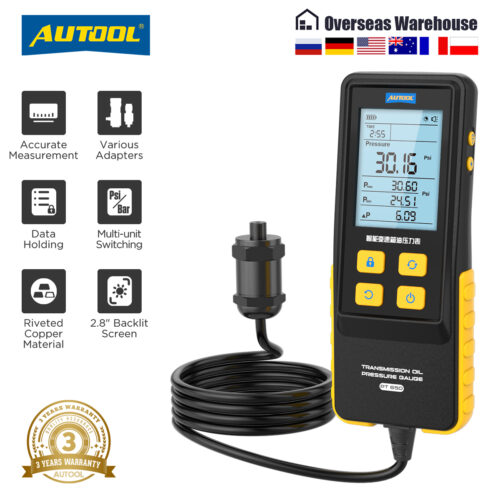
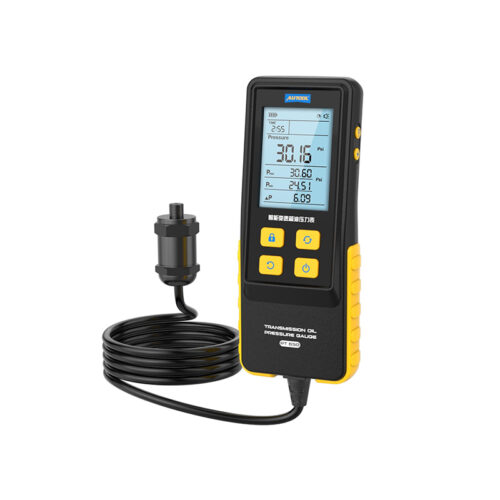
PT650 transmission oil pressure gauge

Transmission Oil Pressure Gauge

Why Do We Need To Test Transmission Oil Pressure?

The primary function of a transmission oil pressure gauge is to measure and control transmission oil pressure, ensuring the normal operation and performance of the transmission. By testing oil pressure, we can determine whether the components in the hydraulic control system are functioning properly, allowing timely identification and resolution of potential issues.

The transmission oil pressure tester connects to the oil pressure gauge to detect oil pressure at engine idle and stall conditions, assessing the transmission’s working state. This helps identify leaks in the hydraulic control system and ensures components such as the torque converter, governor, and accumulator are functioning correctly.

Steps for Operating the Transmission Pressure Gauge

  1. Step 1Remove the main oil pressure valve from the transmission housing.
  2. Step 2Choose the appropriate adapter for the vehicle and connect it to the measurement probe.
  3. Step 3Before testing, adjust the pressure gauge to zero, then connect the measurement fitting to the transmission.
  4. Step 4Start the engine and perform shifting operations while observing the pressure readings to determine whether the pressure is normal.
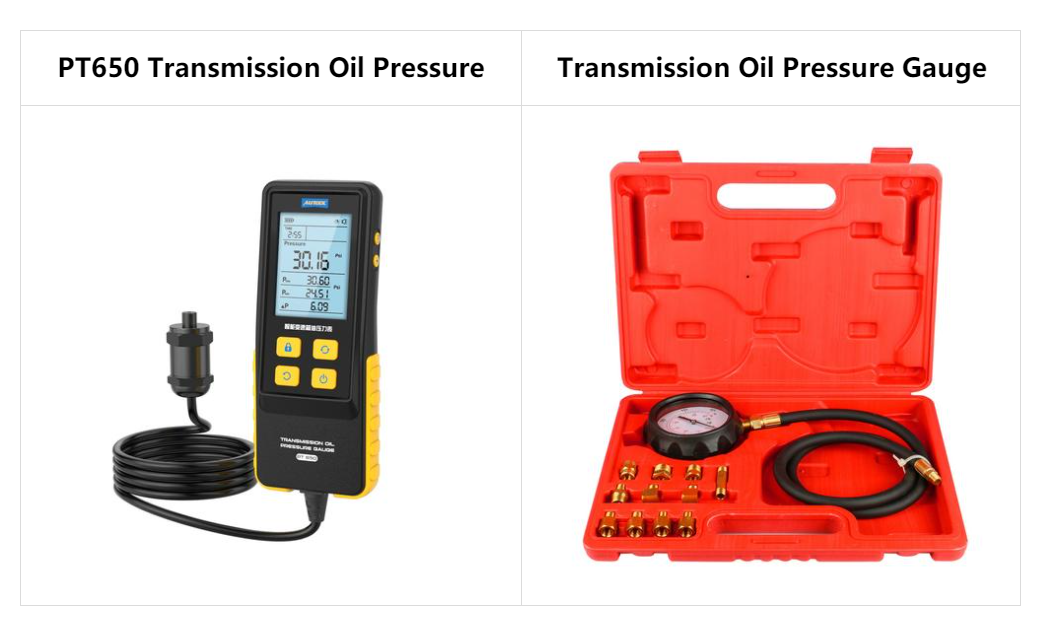
AUTOOL PT650 transmission pressure gauge comparison

Differences Between PT650 and Traditional Transmission Pressure Gauges

  • Measurement range and accuracyTraditional transmission oil pressure gauges have a limited measurement range, and the needle can fluctuate during testing. The AUTOOL PT650 offers a wide range, eliminates needle instability, and displays data directly with high accuracy to two decimal places.
  • Display and constructionThe PT650 offers multiple pressure units and uses copper alloy fittings that are durable, wear-resistant, and oxidation-resistant.
  • Low-light visibilityThe PT650 includes a 2.8-inch high-definition display with a backlight design, ensuring the data is clear and easy to read in dark environments.
  • Data recording and calculationTraditional gauges require manual data recording and pressure differential calculations during idle and acceleration tests. The PT650 displays data directly and automatically calculates pressure differentials.
Gauge 05

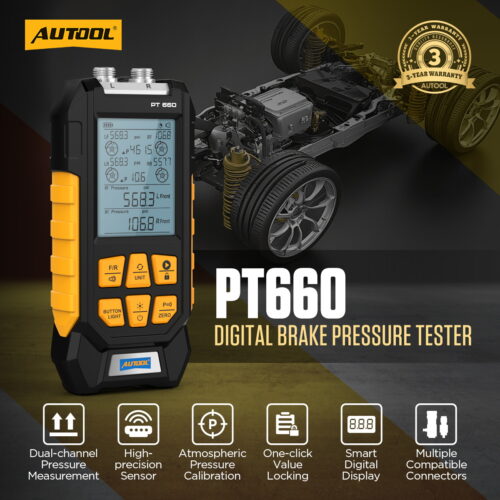
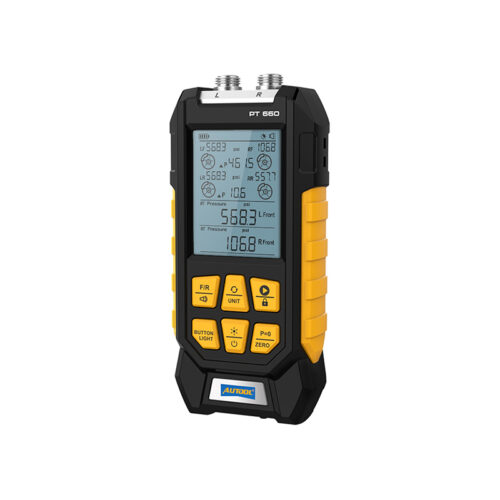
PT660 brake pressure gauge

Brake System Pressure

Why Do We Need To Test Brake System Pressure?

In a vehicle’s brake system, brake fluid is transmitted to the brake components through pedal operation and mechanical devices. When the brake pedal is pressed, brake fluid pressure increases, generating braking force to slow down or stop the vehicle.

Regularly checking brake system pressure helps identify issues such as low brake fluid levels. Insufficient or leaking brake fluid can lead to abnormal brake pressure. Pressure anomalies may also create air bubbles in the brake fluid, affecting braking force. A leak in the brake system can compromise braking effectiveness, and a faulty brake pump may result in insufficient or unbalanced brake pressure.

Differences of the PT660 Brake System Pressure Gauge

  • Measurement range and accuracyTraditional brake system pressure gauges have a limited range. The AUTOOL PT660 has a range of up to 210 bar, with direct data display and high accuracy to two decimal places.
  • Display qualityThe PT660 comes with a high-definition 3-inch LCD backlit display, ensuring readability even in low-light conditions.
  • Construction materialThe PT660 is made from corrosion-resistant brass, offering conductivity, thermal properties, high-temperature resistance, oxidation resistance, and durability.
  • Unit flexibilityThe PT660 supports switching between Psi, Bar, and kg/cm² to meet different regional requirements.
Gauge 06

PT670 exhaust back pressure gauge

Exhaust Back Pressure Gauge

Why Do We Need To Test Exhaust Back Pressure?

Exhaust back pressure refers to the resistance pressure of exhaust gases from the engine. When exhaust back pressure rises, it can impede the smooth expulsion of exhaust gases, negatively affecting the engine’s power and responsiveness.

Proper exhaust back pressure helps the engine efficiently expel waste gases and improve combustion efficiency. However, excessively high or low back pressure can adversely impact engine performance.

Differences of the PT670 Exhaust Back Pressure Gauge

  • Measurement range and accuracyTraditional exhaust back pressure gauges typically have a limited measurement range. The PT670 uses digital sensing technology and high-precision chips to provide pressure values accurate to two decimal places.
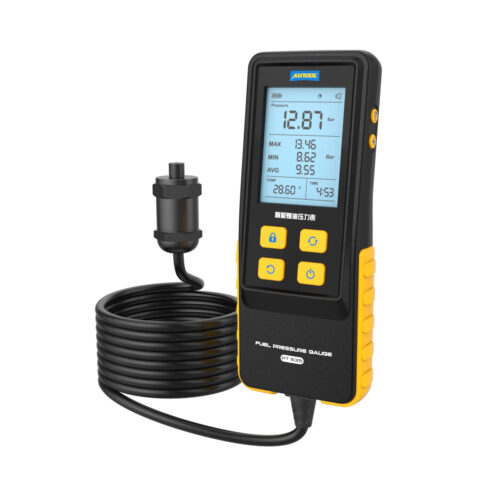
  • Display capabilitiesThe upgraded PT670 digital display shows maximum pressure, minimum pressure, and average differential pressure.
  • Additional functionsThe PT670 includes internal environmental temperature detection and additional features that assist in assessing the vehicle’s exhaust system.
  • Material qualityThe PT670 is made from corrosion-resistant brass, offering conductivity, thermal properties, high-temperature resistance, oxidation resistance, and durability.
  • Data lockingThe PT670 features a one-touch data locking function to prevent accidental changes to readings and ensure data accuracy.
Gauge 07

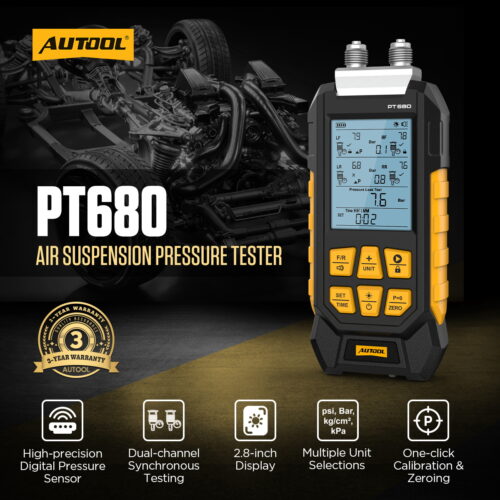
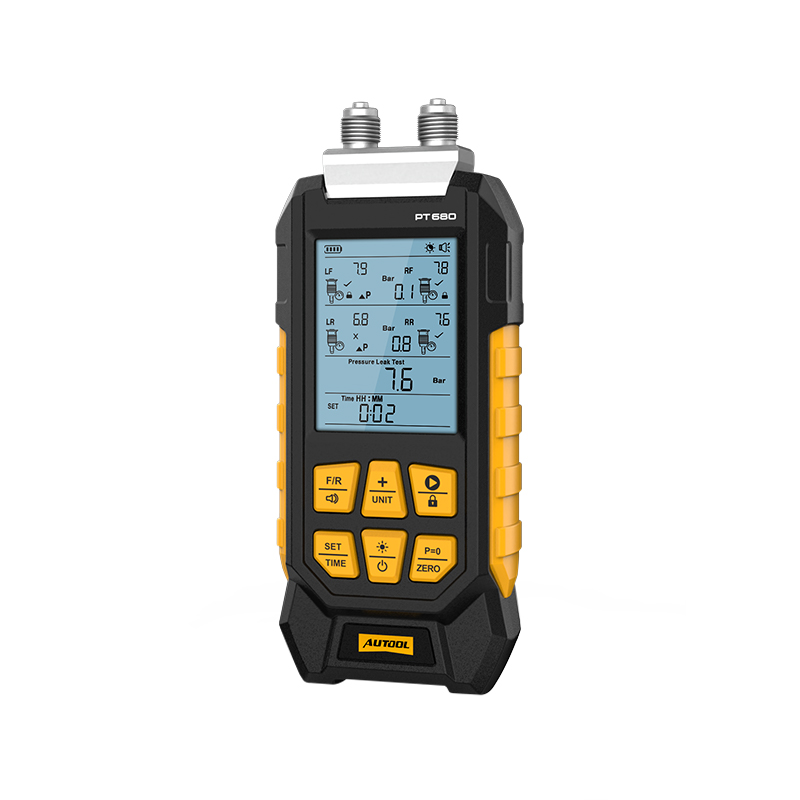
PT680 air suspension pressure tester

Air Suspension Tester

Why Do We Need To Test Air Suspension?

With the rapid development of the automotive industry, people’s demands for comfort and safety in vehicles are rising. Air suspension, as a newer type of shock absorption technology, is gaining increasing attention and recognition.

Traditional automotive suspension systems primarily rely on hydraulic or spring-based dampers. These methods may fall short under complex road conditions, resulting in poor shock absorption and significant vehicle jolting. Air suspension technology uses air as the damping medium and, through components like air compressors and airbags, achieves a smoother and more stable damping effect.

Advantages of the PT680 Compared to Traditional Air Suspension Leak Testers

  • Dual-channel pressure detectionSimultaneously measures the pressure of two shock absorbers at different locations and calculates the pressure difference between them.
  • High-precision sensorIncludes temperature compensation with a pressure range from 0 to 20 bar to meet various operational needs.
  • Multi-data displaySimultaneously displays real-time pressure values, maximum and minimum values, and pressure difference.
  • Multiple unit switchingSupports 7 units: Kpa, mbar, inHg, inH2O, bar, psi, and kg/cm².
  • One-click data lockingPrevents accidental changes to readings and allows locking two sets of data to display and compare all four wheels.
  • Various measurement connectorsComes with measurement fittings of different specifications, suitable for various diameters.
  • Backlit screenNot affected by dark environments because the screen backlight design meets various environmental needs.
  • Pressure measurement and leak detectionSuitable for pressure measurement and pressure-holding leak detection of various air suspension models, capable of testing two simultaneously or measuring individually.
Summary

Summary of AUTOOL Pressure Test Gauges

These are the pressure test gauges recommended for friends in the repair industry. Some products are still available for pre-order. If you’re interested, please contact AUTOOL for the latest updates.

Click here for online services >>

Related reading: New Product Preview: fuel injector cleaner machine CT450 CT600 CT600 pro, What Are the Symptoms of Dirty Fuel Injectors?, Workshop Best: AUTOOL HTS559 Walnut Blaster, Gasoline direct injection Carbon Buildup-Best Solution, and Guide to avoiding pitfalls in electric car charger for home installation.

Contact AUTOOL
AUTOOL official support for pressure gauge tools

AUTOOL Official Team

Need Help Choosing a Pressure Gauge?

For product updates, pressure gauge selection, or online service, contact the AUTOOL official team.

Related Products

Rendered through WooCommerce product shortcode so the cards inherit the global product-card structure and Blocksy/WooCommerce styles.

Komentiraj

Vaša adresa e-pošte neće biti objavljena. Obavezna polja su označena sa * (obavezno)