Wheel Alignment Guide
A wheel alignment machine plays an indispensable role in automobile repair and maintenance. It detects the angle and position of the wheels so technicians can make precise adjustments, improve driving safety, protect tires, and restore smoother handling. This article explains how a wheel alignment machine works, where four-wheel alignment is used, when a vehicle should be checked, which parts usually require alignment after disassembly, and why the machine is valuable for repair shops and maintenance teams.
Working Principle

How a wheel alignment machine works

1. A Wheel Alignment Machine Measures Wheel Angles Before Any Adjustment Is Made

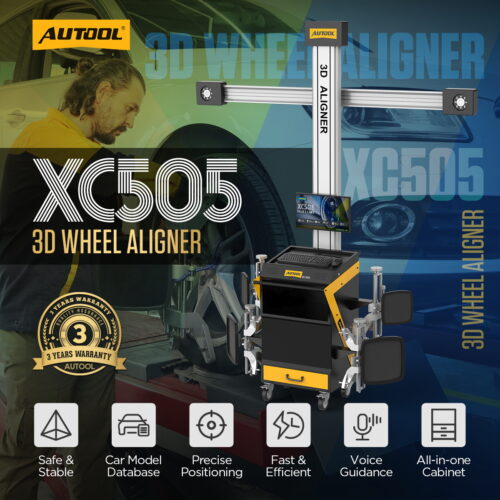
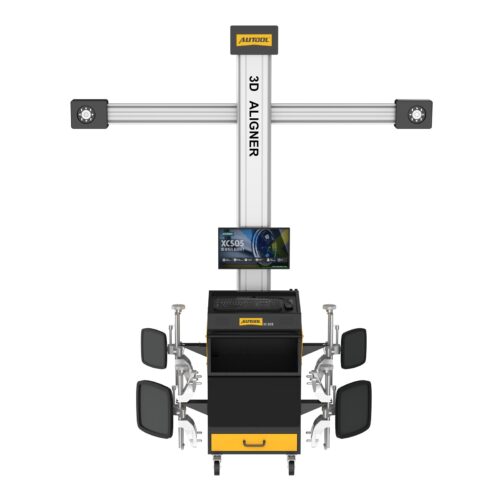
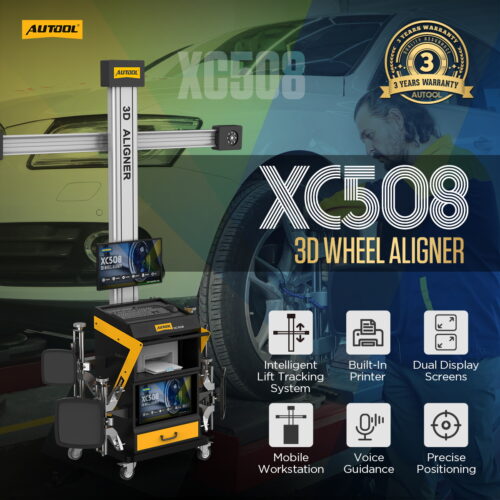
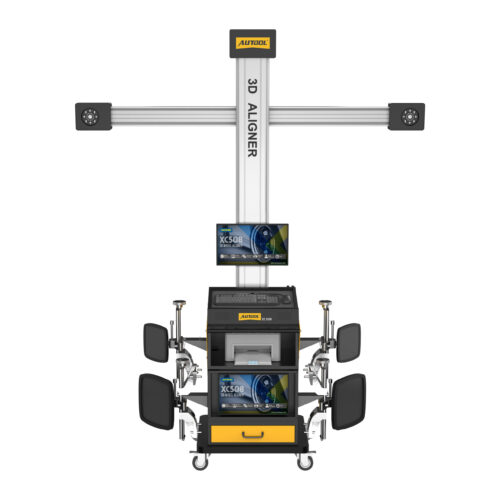
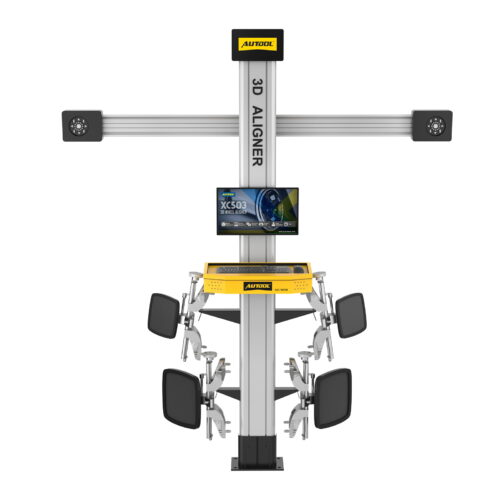
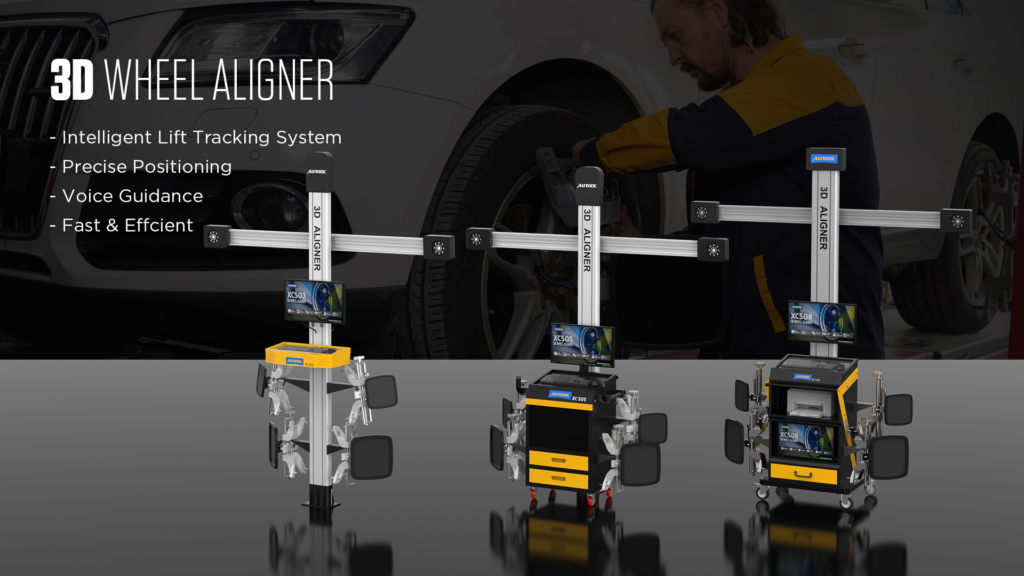
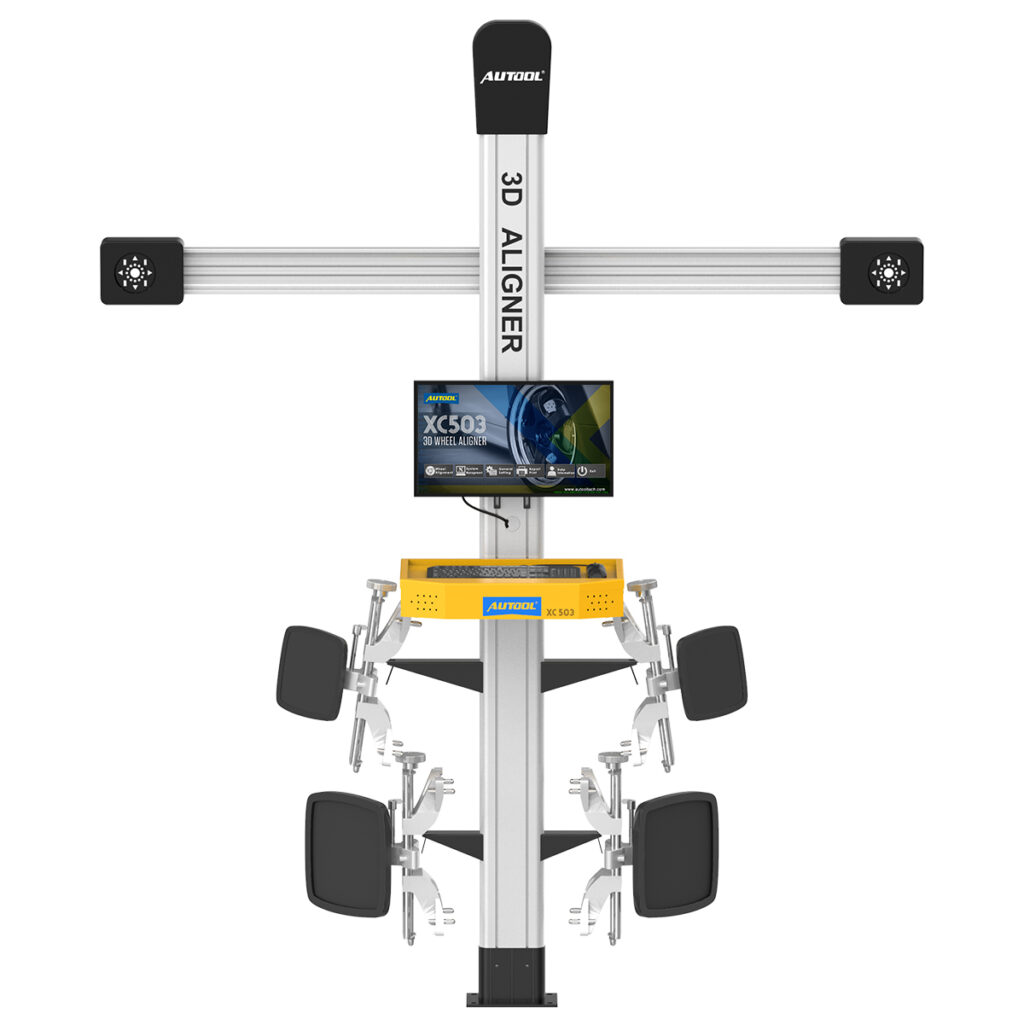
A tire alignment machine helps ensure that the wheels are positioned correctly relative to the road, the vehicle centerline, and each other. Proper alignment improves vehicle handling, reduces irregular tire wear, and supports stable driving performance. A typical wheel aligner includes measuring equipment, a measuring cart or console, and wheel clamps or targets. The alignment process usually follows a clear sequence:
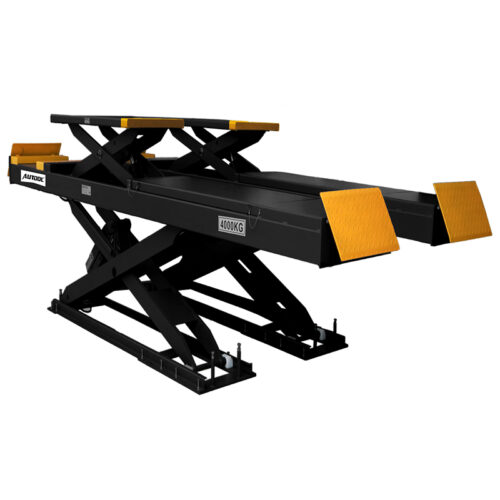
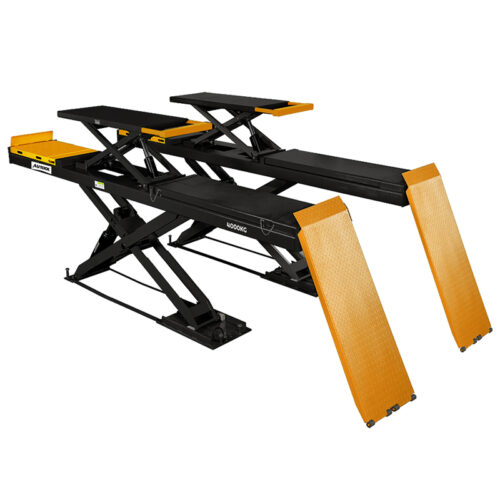
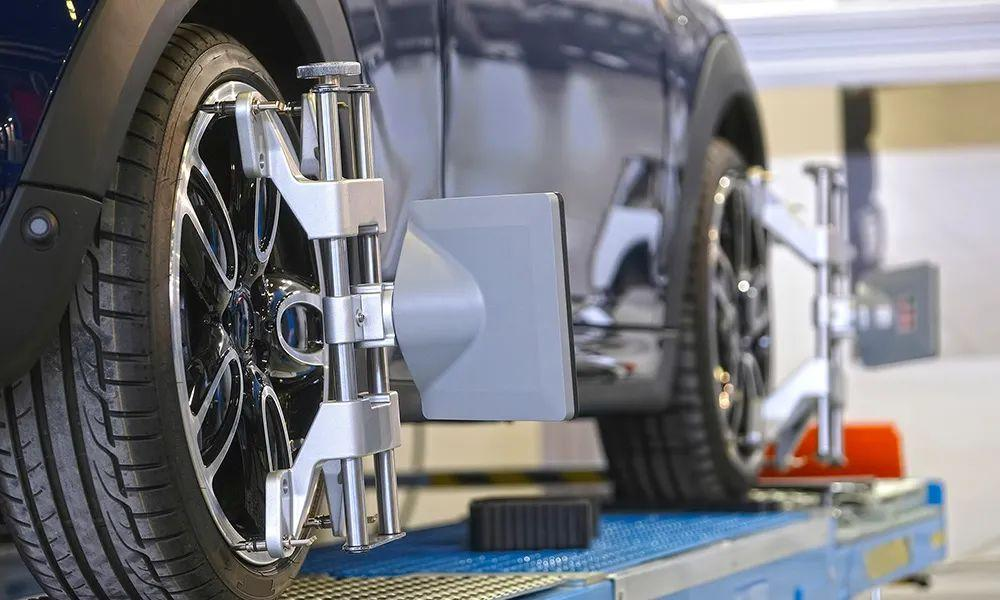
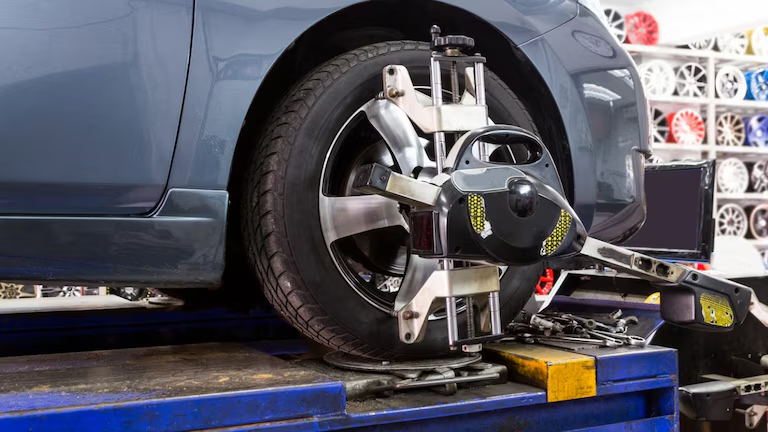
  • Prepare the vehicleTechnicians place the vehicle on a flat, level surface, usually a specialized alignment stand or lift. They attach alignment gauges, clamps, sensors, or targets to the wheels so the machine can collect measurement data.
  • Measure key wheel anglesWheel aligners use sensors or cameras to measure camber, toe, and sometimes thrust angle. The technician compares these readings with the manufacturer’s specifications or recommendations.
  • Adjust the suspension geometryBased on the measurements, the alignment instrument provides guidance for correcting wheel angles. Technicians may loosen or tighten suspension components or use specialized tools to change component positions.
  • Verify the resultAfter adjustment, the alignment machine rechecks the wheel angles to confirm they are within the specified range. This step helps verify that the correction was successful.
  • Generate the final reportAfter the alignment is complete, the aligner generates a report with the initial measurements, the adjustments made, and the final measurements. This report can be shared with the vehicle owner for transparency and documentation.
Although different aligners may vary in features, software, camera systems, and report formats, the basic alignment principle remains the same: measure the current wheel geometry, compare it with specifications, adjust the vehicle, and verify the final result.

Camber

Camber is the vertical inclination of the wheel when viewed from the front. Positive camber means the top of the wheel tilts outward, while negative camber means the top of the wheel tilts inward.

Caster

Caster is the angle of the steering shaft when viewed from the side. It affects steering stability and the ability of the steering wheel to return to center.

Toe-In / Toe-Out

Toe describes whether the leading edges of the wheels point closer together or farther apart when viewed from above. Incorrect toe can quickly cause abnormal tire wear.

Thrust Angle

Thrust angle evaluates the direction of the rear wheels relative to the vehicle centerline. It helps technicians understand whether the rear axle direction matches the vehicle’s intended travel path.

Application

Application of four-wheel tracking

2. Four-Wheel Alignment Helps Diagnose Handling, Tire Wear, and Suspension Changes

Four-wheel aligners are widely used in automotive repair because they detect tire angles and wheel positions more accurately than visual inspection. They help technicians adjust the vehicle and help car owners understand problems related to driving stability, fuel economy, handling, and tire wear.

When should a vehicle get wheel alignment?

  • The vehicle pulls or does not track straightThe most direct symptom is vehicle runout or pulling. Poor steering return after turning can also indicate an alignment or suspension issue.
  • The chassis or suspension has been damagedAfter an accident or impact, chassis and suspension parts may shift, making alignment inspection necessary.
  • The tires show abnormal wearCenter tread wear may be related to high tire pressure, while wear on both sides can be related to low tire pressure. Bias wear on one side may indicate camber deviation, and regular wave or sawtooth wear with tire noise may point to serious toe deviation.
  • Axle or suspension parts have been removedWhen suspension components or other normal wear parts are removed and reinstalled, their mounting positions can shift enough to change alignment data.

Why does alignment matter even when the car does not obviously pull?

If a vehicle does not run off the road, it does not automatically mean the alignment is correct. Chassis data can change in ways that affect driving characteristics before the driver clearly feels a problem. Tire wear, steering feel, and stability may show the issue earlier than obvious pulling.

What parts need alignment after disassembly?

When replacing normal wear parts such as suspension components, four-wheel alignment is generally recommended. Technicians may try to reinstall components close to their original positions, but disassembly and reassembly can still change mounting locations and cause alignment data anomalies. The original guidance also notes that a brand-new car is not always suitable for immediate four-wheel positioning because the chassis has a settlement process. Similar to an engine break-in period, the chassis may have a break-in period of about 2000 kilometers.
Benefits

Advantages of a wheel alignment machine

3. A Wheel Alignment Machine Improves Accuracy, Service Quality, and Workshop Efficiency

A four-wheel aligner can improve driving safety and comfort, and it plays a pivotal role in automobile repair and maintenance. Its main advantages include:

High reliability

A four-wheel aligner can accurately detect and locate wheel angles and wheel positions, helping technicians adjust and maintain the vehicle more precisely.

Wide applicability

A wheel alignment machine can be used for many vehicle types, including family cars, commercial vehicles, passenger cars, and off-road vehicles.

Simple operation

After the vehicle is positioned and the wheel clamps or targets are installed, the aligner can begin measuring. Computer software also helps technicians adjust and manage alignment data more accurately.

Long-term value

A four-wheel aligner may cost more than ordinary repair tools, but its accuracy and efficiency make it cost-effective for workshops that perform alignment and tire service regularly.

Conclusion

4. Accurate Wheel Alignment Equipment Helps Protect Tires and Improve Vehicle Safety

A tire alignment machine is an important piece of equipment in the automotive repair and maintenance industry. It helps repair and maintenance personnel perform more accurate vehicle adjustments, reduce abnormal tire wear, improve driving safety, and increase ride comfort. Because four-wheel aligners are widely applicable, relatively easy to operate, and valuable for long-term service quality, they are especially useful for workshops that handle tire service, suspension repairs, steering complaints, or post-repair vehicle inspection.

Related Products

Rendered through WooCommerce product shortcode so the cards inherit the global product-card structure and Blocksy/WooCommerce styles.

Leave a Reply

Sähköpostiosoitettasi ei julkaista. Pakolliset kentät on merkitty *