Συμβουλές και οδηγίες
Πότε πρέπει να καθαρίζετε τα μπεκ ψεκασμού καυσίμου αυτοκινήτου και αντιμετώπιση προβλημάτων

27 Ιουλίου, 2021
Μερίδιο:
 autoolstore.com
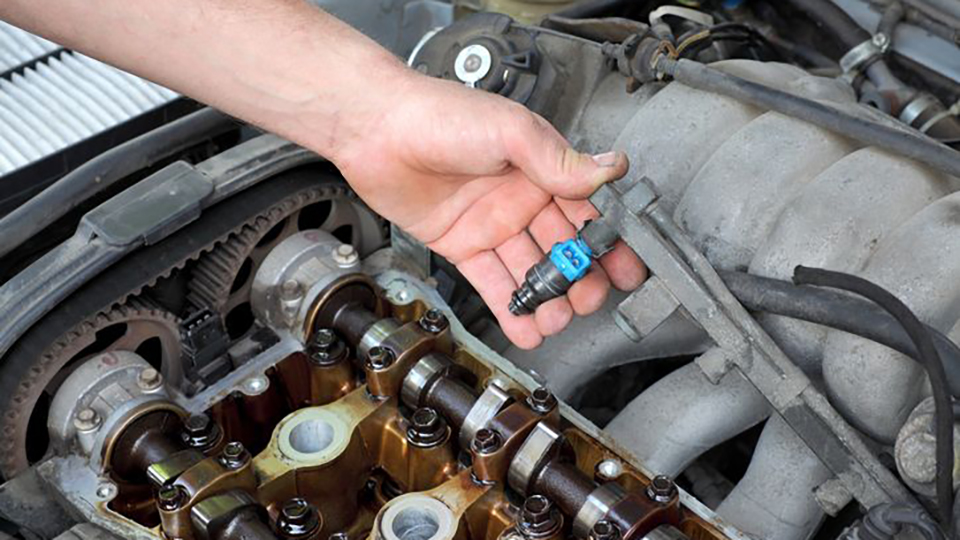
Το μπεκ ψεκασμού του αυτοκινήτου είναι ένα βασικό εξάρτημα του κινητήρα EFI. Λειτουργεί ως μια κανονικά κλειστή βαλβίδα που ελέγχεται από την ECU. Όταν η ECU δίνει την εντολή ψεκασμού, το σήμα τάσης προκαλεί ροή ρεύματος μέσω του πηνίου του μπεκ ψεκασμού, δημιουργώντας ένα μαγνητικό πεδίο που ανυψώνει τη βελόνα της βαλβίδας και επιτρέπει στο καύσιμο να ψεκαστεί από την οπή ψεκασμού.
Το μεγαλύτερο πλεονέκτημα της παροχής καυσίμου ψεκασμού είναι ο ακριβής έλεγχος της παροχής καυσίμου, ο οποίος βοηθά τον κινητήρα να διατηρεί τη σωστή αναλογία αέρα-καυσίμου σε οποιαδήποτε κατάσταση, να λειτουργεί ομαλά και να πληροί τις απαιτήσεις εκπομπών καυσαερίων.
Εγχυτήρας αυτοκινήτου με άνθρακα και κρούση
Ως ένα από τα βασικά εξαρτήματα του κινητήρα EFI, η λειτουργία του μπεκ ψεκασμού επηρεάζει σοβαρά την απόδοση του κινητήρα. Το μπλοκάρισμα του μπεκ ψεκασμού μπορεί να επηρεάσει σοβαρά την απόδοση του αυτοκινήτου. Το μπλοκάρισμα προέρχεται από εναποθέσεις άνθρακα στον κινητήρα ή από ακαθαρσίες στο καύσιμο που μπλοκάρουν τη διαδρομή του μπεκ ψεκασμού.
Αφού το αυτοκίνητο οδηγηθεί για ένα χρονικό διάστημα, σχηματίζονται ορισμένες επικαθίσεις στο σύστημα καυσίμου. Ο σχηματισμός επικαθίσεων σχετίζεται άμεσα με το καύσιμο του αυτοκινήτου. Πρώτον, η ίδια η βενζίνη περιέχει κόμμι, ακαθαρσίες ή σκόνη που εισέρχονται κατά την αποθήκευση και τη μεταφορά, οι οποίες συσσωρεύονται με την πάροδο του χρόνου σχηματίζοντας επικαθίσεις παρόμοιες με τη λάσπη στη δεξαμενή καυσίμου, στον σωλήνα εισόδου καυσίμου και σε άλλα μέρη. Δεύτερον, τα ασταθή συστατικά της βενζίνης αντιδρούν σε ορισμένες θερμοκρασίες σχηματίζοντας παχύρρευστες ουσίες που μοιάζουν με κόμμι και ρητίνη. Αυτές οι κολλώδεις ουσίες παραμένουν στον εγχυτήρα, στη βαλβίδα εισαγωγής και σε άλλα μέρη και, όταν καίγονται, οι επικαθίσεις μετατρέπονται σε σκληρό άνθρακα.
Η κυκλοφοριακή συμφόρηση στην πόλη κάνει επίσης το αυτοκίνητο να λειτουργεί με χαμηλή ταχύτητα και στο ρελαντί πιο συχνά, γεγονός που επιδεινώνει τον σχηματισμό και τη συσσώρευση αυτών των επικαθίσεων. Οι επικαθίσεις στο σύστημα καυσίμου είναι επιβλαβείς επειδή φράζουν τη βαλβίδα βελόνας του μπεκ ψεκασμού και την οπή της βαλβίδας, επηρεάζουν τα εξαρτήματα ακριβείας του ηλεκτρονικού συστήματος ψεκασμού, μειώνουν την απόδοση ισχύος, προκαλούν επηρεασμό του κλεισίματος του άνθρακα της βαλβίδας εισαγωγής, αυξάνουν την κατανάλωση καυσίμου, επιδεινώνουν τις εκπομπές καυσαερίων, σχηματίζουν σκληρό άνθρακα στο πάνω μέρος του εμβόλου και στην κυλινδροκεφαλή, μειώνουν τη διάρκεια ζωής του τριοδικού καταλυτικού μετατροπέα και τελικά μπορούν να φράξουν σοβαρά το μπεκ ψεκασμού και να προκαλέσουν ζημιά στον κινητήρα.
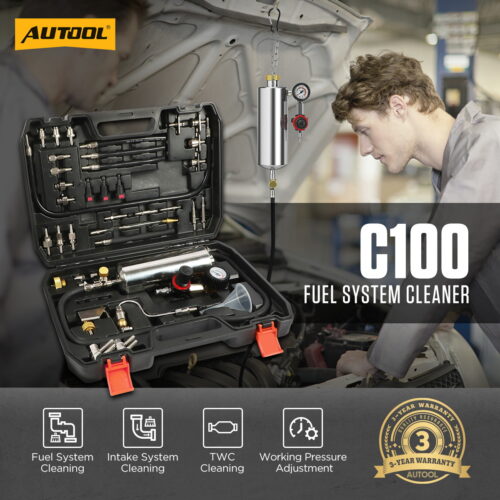
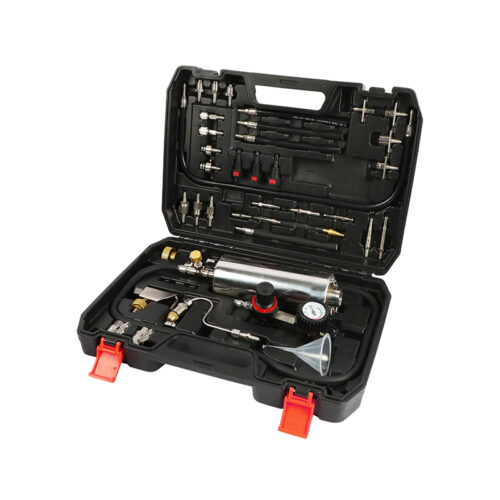
Καθαρισμός μπεκ ψεκασμού αυτοκινήτου
Πρέπει να καθαρίζετε τακτικά το μπεκ ψεκασμού του αυτοκινήτου, αλλά ο μακροχρόνιος μη καθαρισμός ή ο συχνός καθαρισμός μπορεί επίσης να προκαλέσει αρνητικές επιπτώσεις. Όσον αφορά το διάστημα καθαρισμού, εξαρτάται από την κατάσταση του αυτοκινήτου και την ποιότητα του καυσίμου που συνήθως προσθέτετε. Γενικά, οι περισσότεροι χρήστες συνιστώνται να καθαρίζουν περίπου 20.000 έως 30.000 χλμ. Η καλή κατάσταση του οχήματος και η ποιότητα καυσίμου μπορούν να επεκτείνουν το διάστημα σε περίπου 40.000 έως 60.000 χλμ.
Όταν υπάρχει ένα ελαφρύ φράξιμο του μπεκ ψεκασμού του αυτοκινήτου, αυτό μπορεί να επηρεάσει την κατάστασή του. Μερικές φορές μπορεί να υπάρχει ένα σφάλμα όπου το αυτοκίνητο τρέμει λίγο όταν βάζετε μια ταχύτητα και ξεκινάτε, και το φαινόμενο εξαφανίζεται όταν βάζετε μια υψηλή ταχύτητα και επιταχύνετε. Εάν οι διάφοροι αισθητήρες του αυτοκινήτου λειτουργούν κανονικά, η βαλβίδα γκαζιού έχει καθαριστεί και το κύκλωμα είναι φυσιολογικό, είναι πιθανό τα μπεκ ψεκασμού να έχουν ένα ελαφρύ φράξιμο.
Όταν επιταχύνετε με υψηλή ταχύτητα, η ελαφριά κόλλα μπορεί να ψεκαστεί ξανά ή να διαλυθεί και η απόδοση του αυτοκινήτου αποκαθίσταται. Ένα τέτοιο ελαφρύ φράξιμο των μπεκ ψεκασμού μπορεί γενικά να μείνει χωρίς καθαρισμό, επειδή η ελαφριά κόλλα μπορεί να διαλυθεί. Επομένως, στην καθημερινή οδήγηση, θα πρέπει συχνά να οδηγείτε σε αυτοκινητόδρομο για να μειώσετε την πιθανότητα επικαθίσεων άνθρακα.
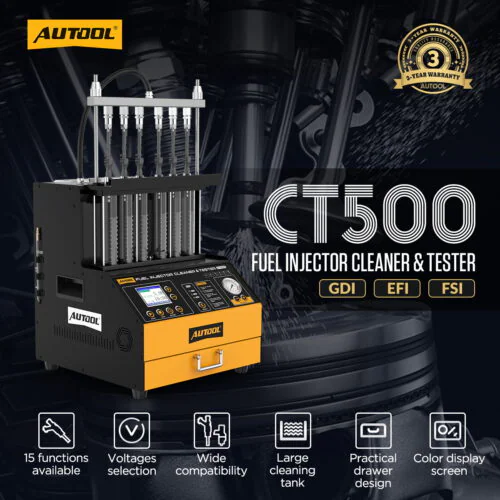
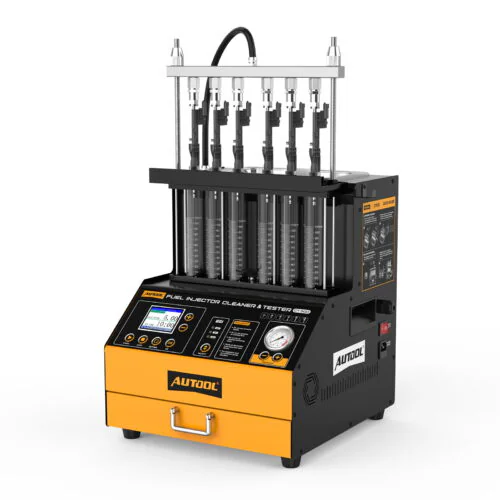
Εάν η ποιότητα της βενζίνης είναι κακή ή το όχημα έχει οδηγηθεί για μεγάλο χρονικό διάστημα και τα μπεκ ψεκασμού δεν καθαρίζονται για μεγάλο χρονικό διάστημα, το φαινόμενο του μπλοκαρίσματος θα είναι πιο σοβαρό. Αυτό μπορεί να προκαλέσει κακό ψεκασμό κινητήρα, κακή γωνία ψεκασμού και ψεκασμό, προβλήματα στο ρελαντί ή την επιτάχυνση, απώλεια ισχύος, αυξημένη κατανάλωση καυσίμου, αυξημένες εκπομπές ρύπων, ακόμη και βλάβη του κινητήρα. Επομένως, το μπεκ ψεκασμού του αυτοκινήτου πρέπει να καθαρίζεται προσεκτικά και να δοκιμάζεται τακτικά για να διασφαλίζεται η σωστή λειτουργία του.
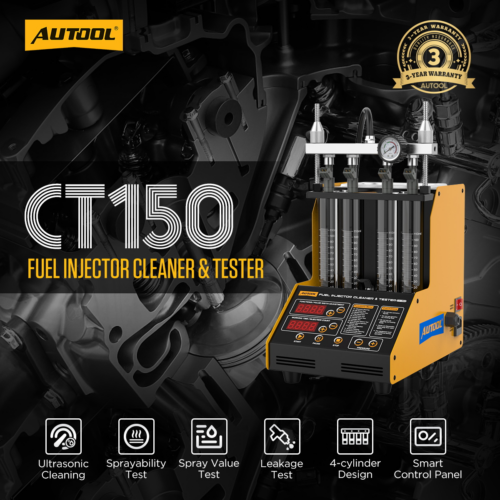
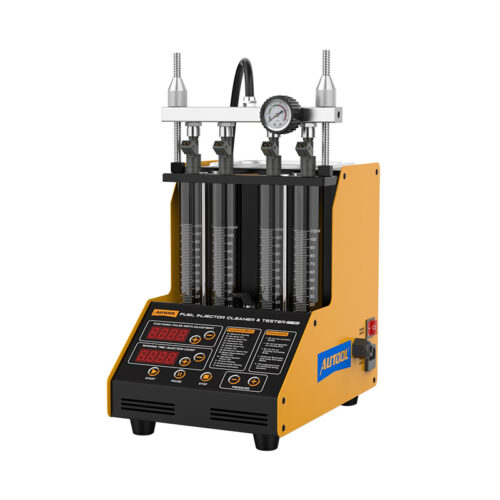
Καθαρισμός μπεκ ψεκασμού αυτοκινήτου
Ο ίδιος τύπος αυτοκινήτου EFI έχει σταθερή πίεση στην αντλία βενζίνης. Ανεξάρτητα από το άνοιγμα του γκαζιού, εφόσον ρυθμίζεται ο ρυθμιστής πίεσης καυσίμου, η πίεση του μπεκ ψεκασμού του αυτοκινήτου είναι πάντα σταθερή. Το ακροφύσιο ψεκασμού καυσίμου πρέπει να λειτουργεί σε αυστηρό συντονισμό με την αντλία καυσίμου και τον ρυθμιστή πίεσης καυσίμου για να επιτευχθεί το καλύτερο αποτέλεσμα ψεκασμού στην σχεδιασμένη πίεση.
Εάν η πίεση είναι χαμηλότερη από την πίεση σχεδιασμού, το ψεκαζόμενο λάδι δεν είναι ομιχλώδες, είναι στηλοειδές και δεν είναι κατάλληλο για ανάμειξη με αέρα. Εάν η πίεση είναι πολύ μεγάλη, το ψεκαζόμενο λάδι αποκτά κωνικό σχήμα και επίσης δεν είναι εύκολο να αναμειχθεί, και η δύναμη ψεκασμού είναι πολύ μεγάλη, επομένως πολύ καύσιμο ψεκάζεται απευθείας στο τοίχωμα του σωλήνα, επηρεάζοντας άμεσα τις παραμέτρους αναλογίας ανάμειξης.
Είτε πρόκειται για επιτάχυνση είτε για ρελαντί, η πίεση πρέπει να είναι σταθερή. Διαφορετικά μοντέλα διαφέρουν επίσης σε πίεση. Η ποσότητα ψεκασμού λαδιού εξαρτάται από τη διάρκεια του χρόνου ψεκασμού. Τα μπεκ ψεκασμού χωρίζονται σε τύπους που βασίζονται σε τάση και σε τύπους που βασίζονται σε ρεύμα ανάλογα με τις διαφορετικές μεθόδους ελέγχου του πηνίου ηλεκτρομαγνητικής βαλβίδας.
Ο τύπος τάσης διαιρείται επίσης σε χαμηλής αντίστασης και υψηλής αντίστασης. Η υψηλή αντίσταση μπορεί να συνδεθεί σε ηλεκτρικό ρεύμα 12 V, ενώ η χαμηλή αντίσταση μπορεί να συνδεθεί μόνο σε χαμηλή τάση. Εάν η χαμηλή αντίσταση συνδεθεί λανθασμένα στα 12 V για λίγο μεγαλύτερο χρονικό διάστημα, το πηνίο θα καεί. Κατά την έγχυση λαδιού, η τάση που παρέχεται από τον υπολογιστή είναι σταθερή. Για παράδειγμα, τα 12V γίνονται αμέσως 0V όταν διακοπεί η παροχή λαδιού. Η αλλαγή είναι στιγμιαία. Αυτό είναι ένα παλλόμενο σήμα DC, όχι εναλλασσόμενου ρεύματος. Όταν ο εγχυτήρας είναι φραγμένος, η έγχυση λαδιού δεν είναι ομαλή ή υπάρχει άνθρακας και κόλλα στο διάκενο του εγχυτήρα, η σχεδιασμένη ποσότητα λαδιού και το αποτέλεσμα ψεκασμού δεν μπορούν να επιτευχθούν και χρειάζεται μόνο καθαρισμός.
Αντιμετώπιση προβλημάτων
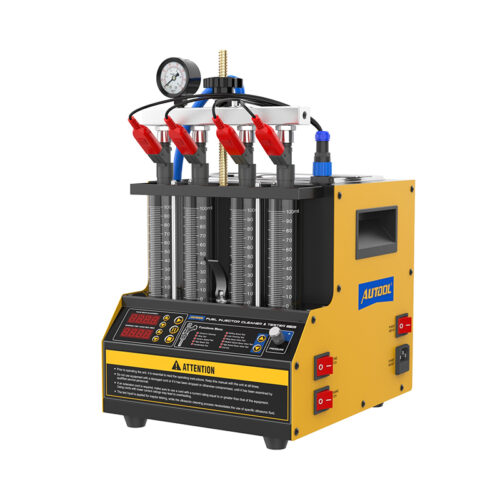
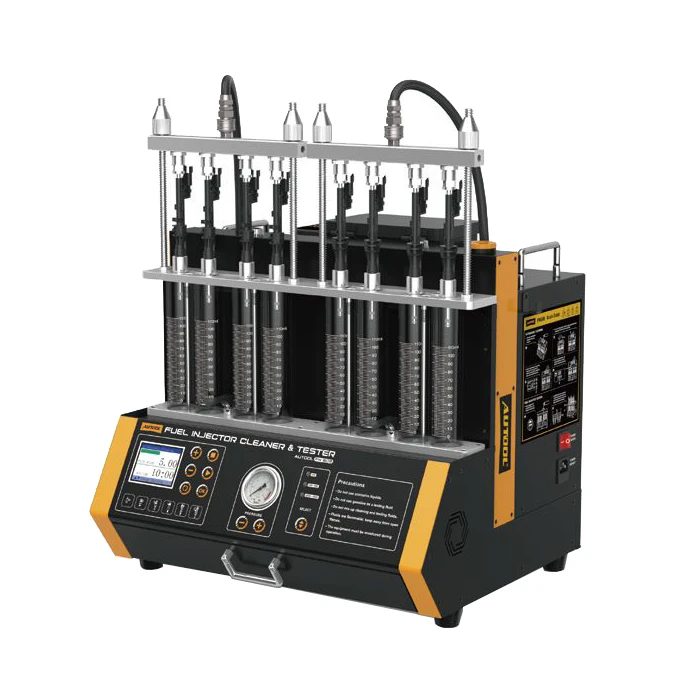
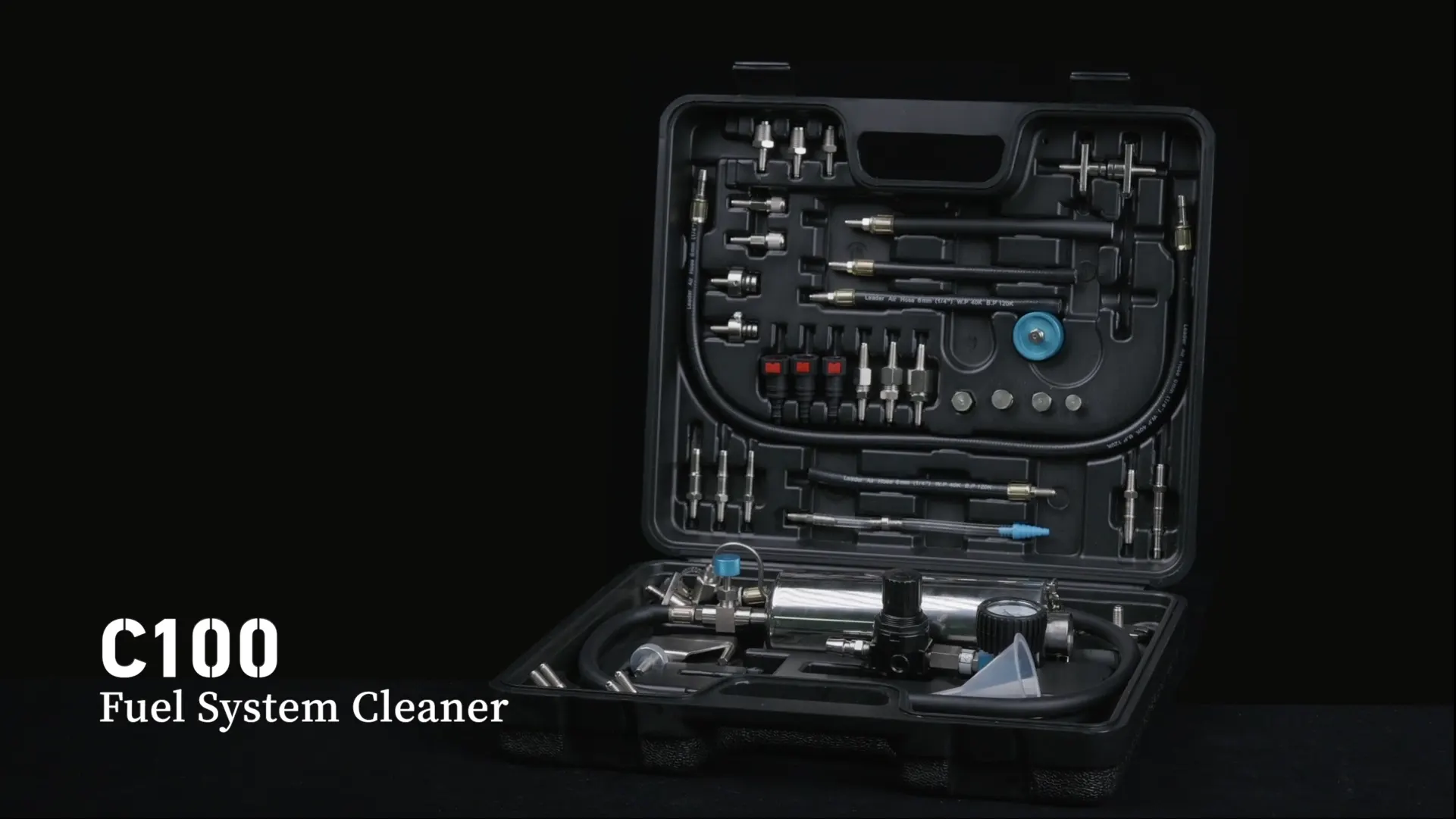
Σχετικά προϊόντα
Αποδίδεται μέσω shortcode προϊόντος WooCommerce, έτσι ώστε οι κάρτες να κληρονομούν την καθολική δομή κάρτας προϊόντος και τα στυλ Blocksy/WooCommerce.