AUTOOL-blog, Reparationsoplysninger
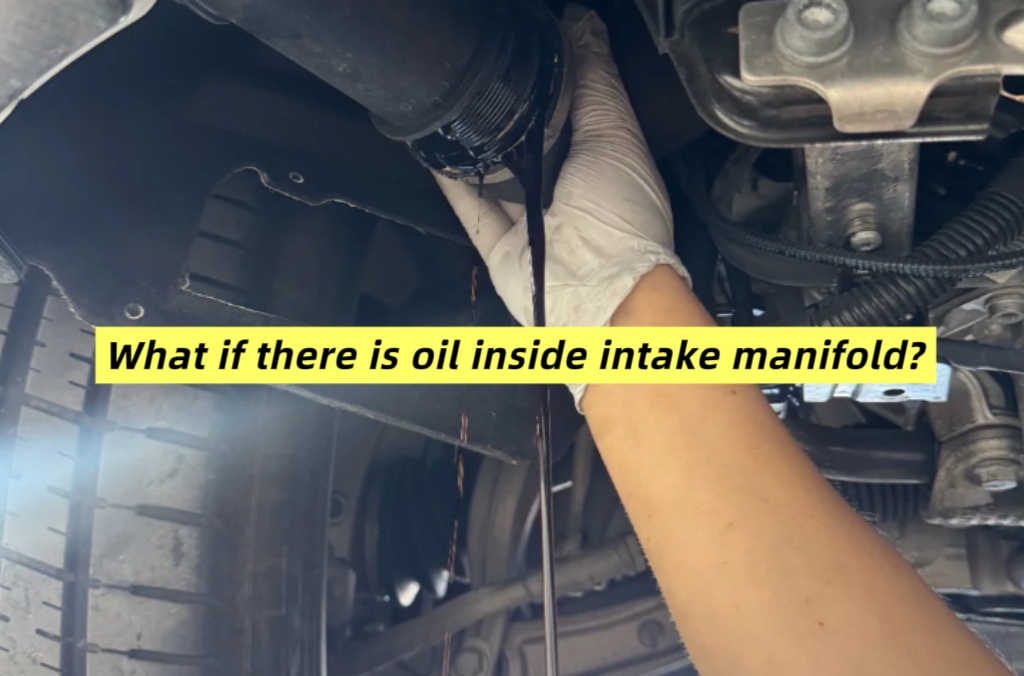
Hvad hvis der er olie inde i indsugningsmanifolden?

september 13, 2025
Dele:
 autoolstore.com
Har du bemærket oliedryp fra dit indsugningsmanifold efter afmontering? Eller måske har du fundet en oliefilm, der dækker gasspjældet og andre indsugningsslanger? Hvis ja, spekulerer du måske på, hvad der forårsager dette problem, om det er tegn på alvorlige motorproblemer, og hvordan du kan forhindre det i at ske igen.
Denne vejledning forklarer de vigtigste årsager til olie i indsugningsmanifolden, hvordan man rengør den, og de bedste måder at forhindre den i at vende tilbage.
Hvad kan forårsage, at der kommer olie i indsugningen?
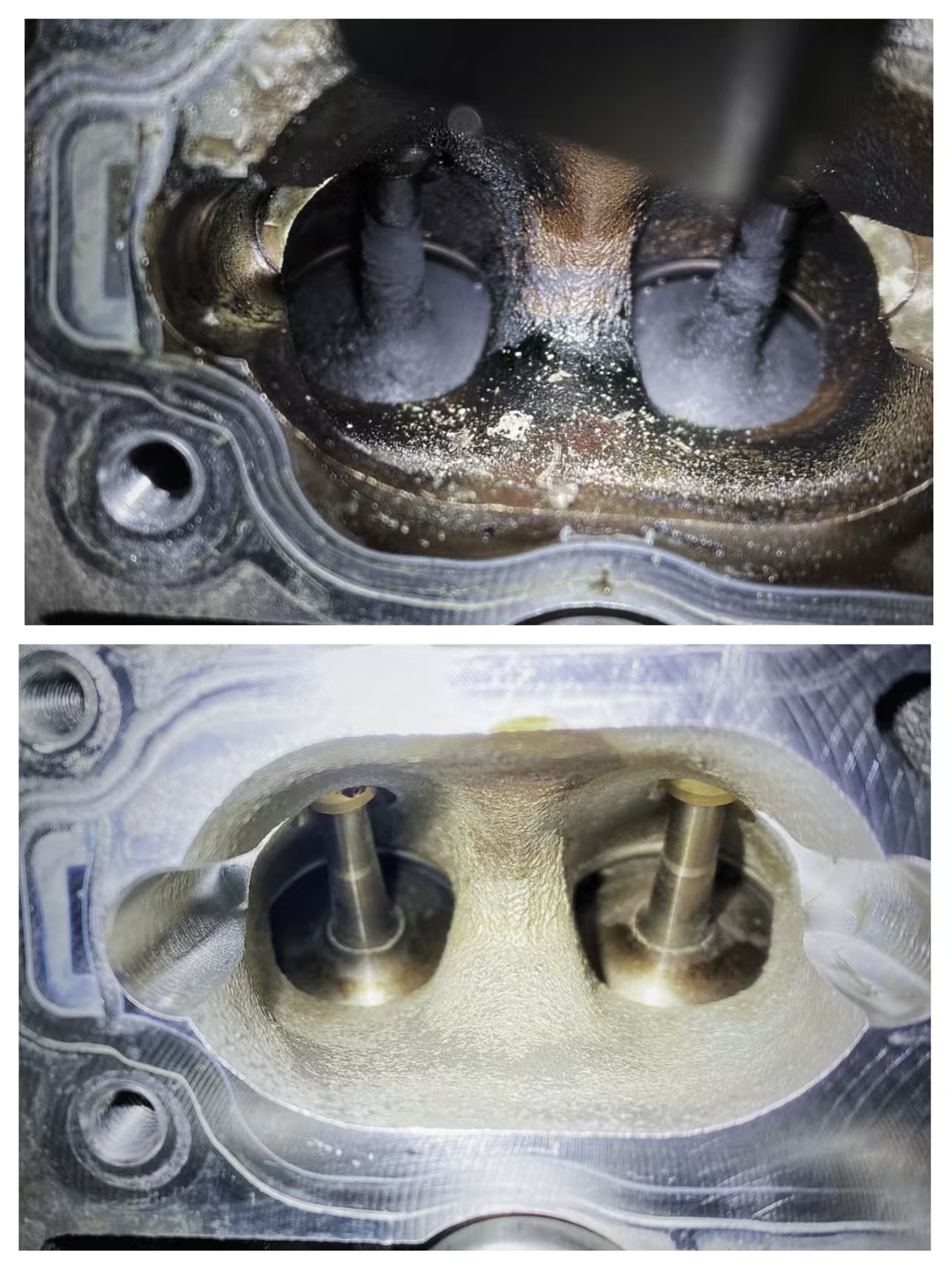
I forbindelse med den daglige bilvedligeholdelse opdager mange bilister olie i luftindtaget eller inde i indsugningsmanifolden. Dette reducerer forbrændingseffektiviteten, forårsager ophobning af kulstof og øger slid på motorkomponenter. Problemet er normalt et symptom på unormal systemfunktion eller slid inde i motoren.
PCV-ventilen (positive crankcase ventilation) recirkulerer krumtaphusgasser ind i indsugningssystemet. Hvis ventilen tilstoppes, slides, eller dens fjeder svigter, trænger oliedamp og -tåge ind i indsugningsmanifolden og ophobes som aflejringer. Dette er en af de mest almindelige årsager til problemer med olie i indsugningsmanifolden.
Ventilpakninger forhindrer olie i at sive ind i forbrændingskammeret. Med tiden gør høj varme og ældning dem sprøde eller revnede, hvilket tillader olie at passere. Noget olie brænder i kammeret, mens resten når indsugningskammeret og efterlader olieaflejringer.
Stempelringe forsegler cylinderen og skraber overskydende olie væk. Når de er slidte eller sidder fast på grund af kulstof, lækker olie ind i forbrændingskammeret og føres med gennemblæsningsgasser ind i indsugningsmanifolden. Symptomer omfatter olie i manifolden, øget olieforbrug, effekttab og blå udstødningsrøg.
Turboladere kræver olie til smøring. Hvis pakningerne svigter, kan olie blive tvunget ind i indsugningskanalen under højhastighedsdrift. Dette forurener indsugningsmanifolden, gasspjældet og intercooleren, hvilket reducerer luftstrømmens effektivitet.
For meget olie øger trykket i krumtaphuset, hvilket presser oliedampe gennem PCV-systemet eller små mellemrum ind i indsugningssystemet. Dette skaber aflejringer, øger olieforbruget og belaster motorkomponenterne.
Sådan fjerner du olie fra indsugningsmanifolden
Når du finder olie i indsugningsrøret, er det første skridt at rengøre det. Da manifoldens design ofte er komplekst, skal du fjerne det fra motorrummet for at få det grundigt rengjort.
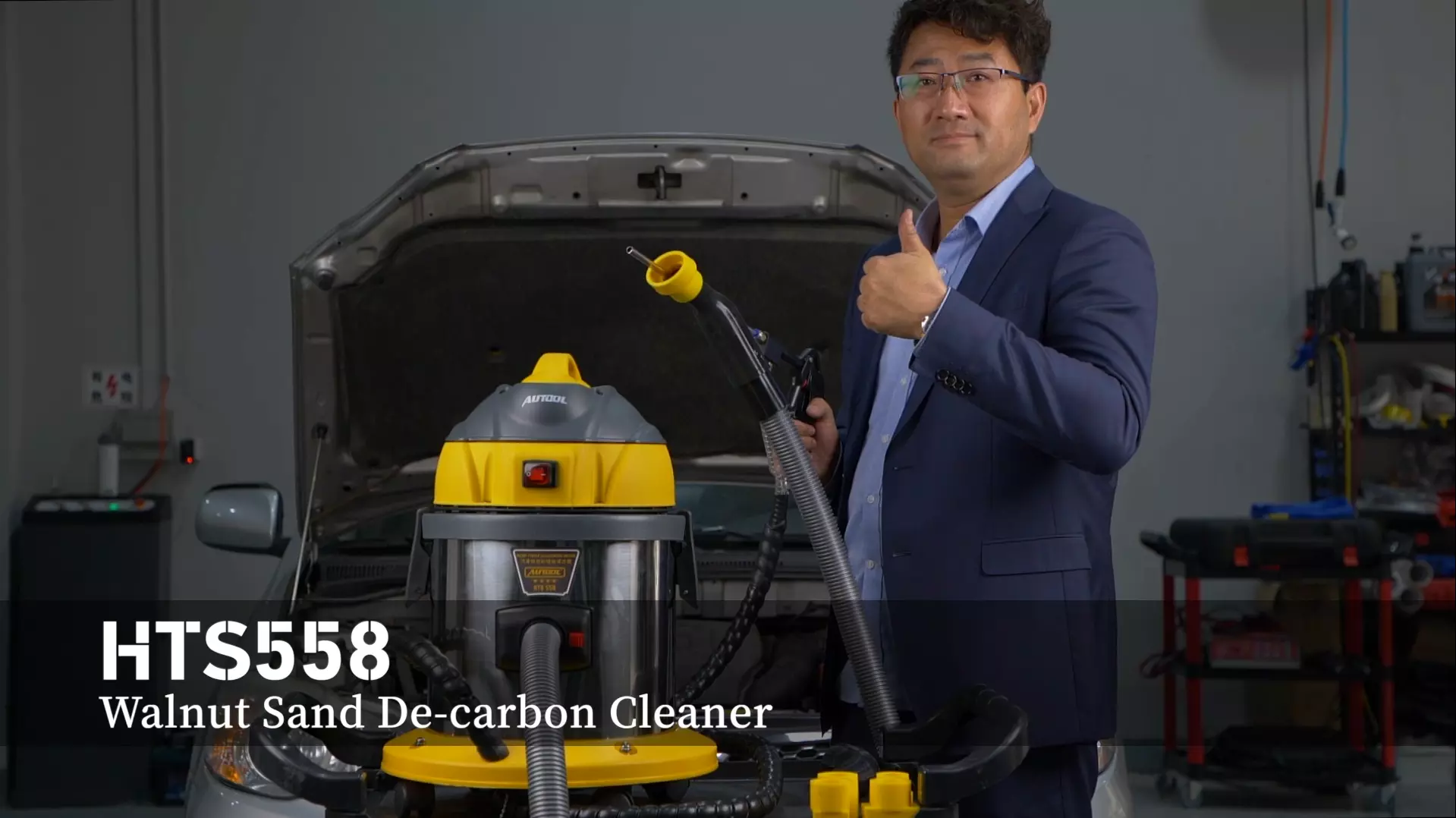
Værktøj til indsugnings- og kulstofrensning
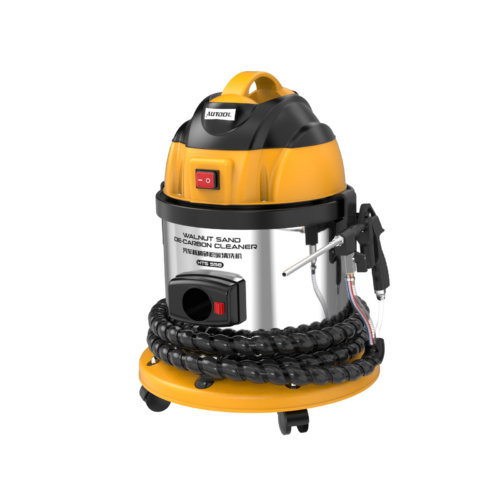
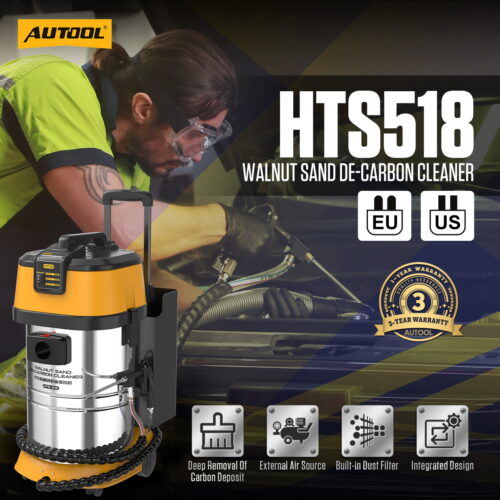
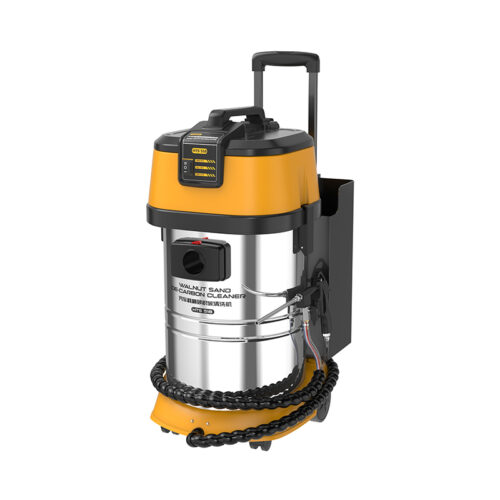
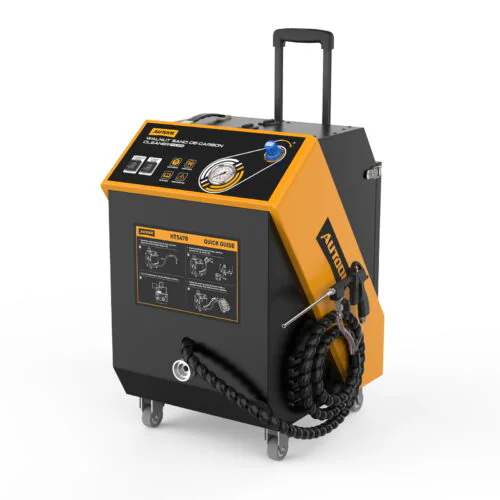
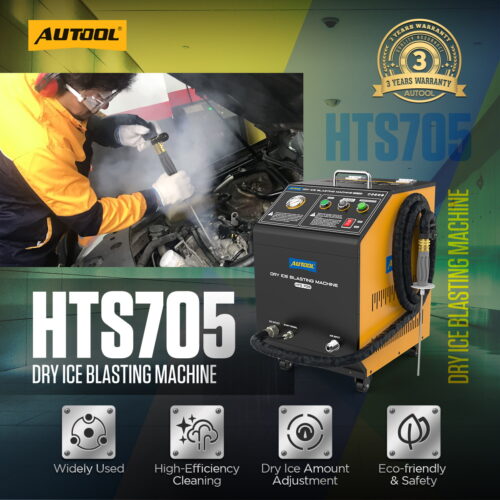
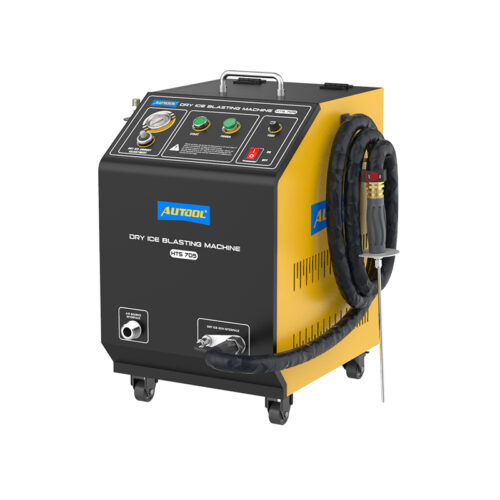
Den oprindelige produktgruppe i denne vejledning omfatter valnøddeblæsere, værktøj til rengøring af indsugningsmanifolden, udstyr til rengøring af tøris og relateret værkstedsudstyr. Ved olie- og kulstofaflejringer i indsugningsmanifolden er valnøddeblæsning og rengøringsværktøj til indsugningsventiler de mest beslægtede muligheder.
Sådan forhindrer du olie i at komme ind i indsugningssystemet igen
Da PCV-ventilfejl er den mest almindelige årsag, skal PCV-ventilen regelmæssigt inspiceres og udskiftes. For biler med højt kilometertal anbefales udskiftning hvert andet år eller i henhold til producentens tidsplan.
Overfyld aldrig motorolie. Brug producentens anbefalede viskositet, og udskift olie og filtre til tiden. Korrekt olieniveau reducerer krumtaphusets tryk og mindsker risikoen for, at olie trænger ind i indsugningssystemet.
Regelmæssig rengøring af indsugningsmanifolden, gasspjældet og ventilerne forhindrer ophobning. Professionelle værktøjer som f.eks. AUTOOL Rengøringsmiddel til manifoldindsugning og AUTOOL Indsugningsventilrens hjælper med at holde luftstrømmen jævn og undgå olieaflejringer.
For turboladede køretøjer skal turbopakninger, intercooler og indsugningsrør ofte kontrolleres. Tidlig udskiftning af slidte dele forhindrer, at olie presses ind i indsugningssystemet.
Undgå langvarig tomgang og gentagne korte ture, der belaster krumtaphusets ventilationssystem. Hold motoren ved normal driftstemperatur, og følg planlagt vedligeholdelse for at reducere risikoen for olieophobning.
At holde indsugningssystemet rent forbedrer ydeevnen og forlænger motorens levetid. Ved at vedligeholde PCV-ventilen, overvåge olieniveauer, rengøre indsugningsmanifolden og kontrollere turboladerkomponenter kan du reducere risikoen for problemer med olie i indsugningsmanifolden og sænke vedligeholdelsesomkostningerne.
Hvis du ønsker en detaljeret vejledning til rengøring af indsugningssystemet eller anbefalinger til værktøj, AUTOOL har udarbejdet en gratis manual til vedligeholdelse af biler.
Kontakt Winnie nu
WhatsApp: +86 189 2647 7404
E-mail: [email protected]
Relaterede produkter
Renderet via WooCommerce-produkts shortcode, så kortene arver den globale produktkortstruktur og Blocksy/WooCommerce-stilarter.