Tipy a návody, Nezařazené
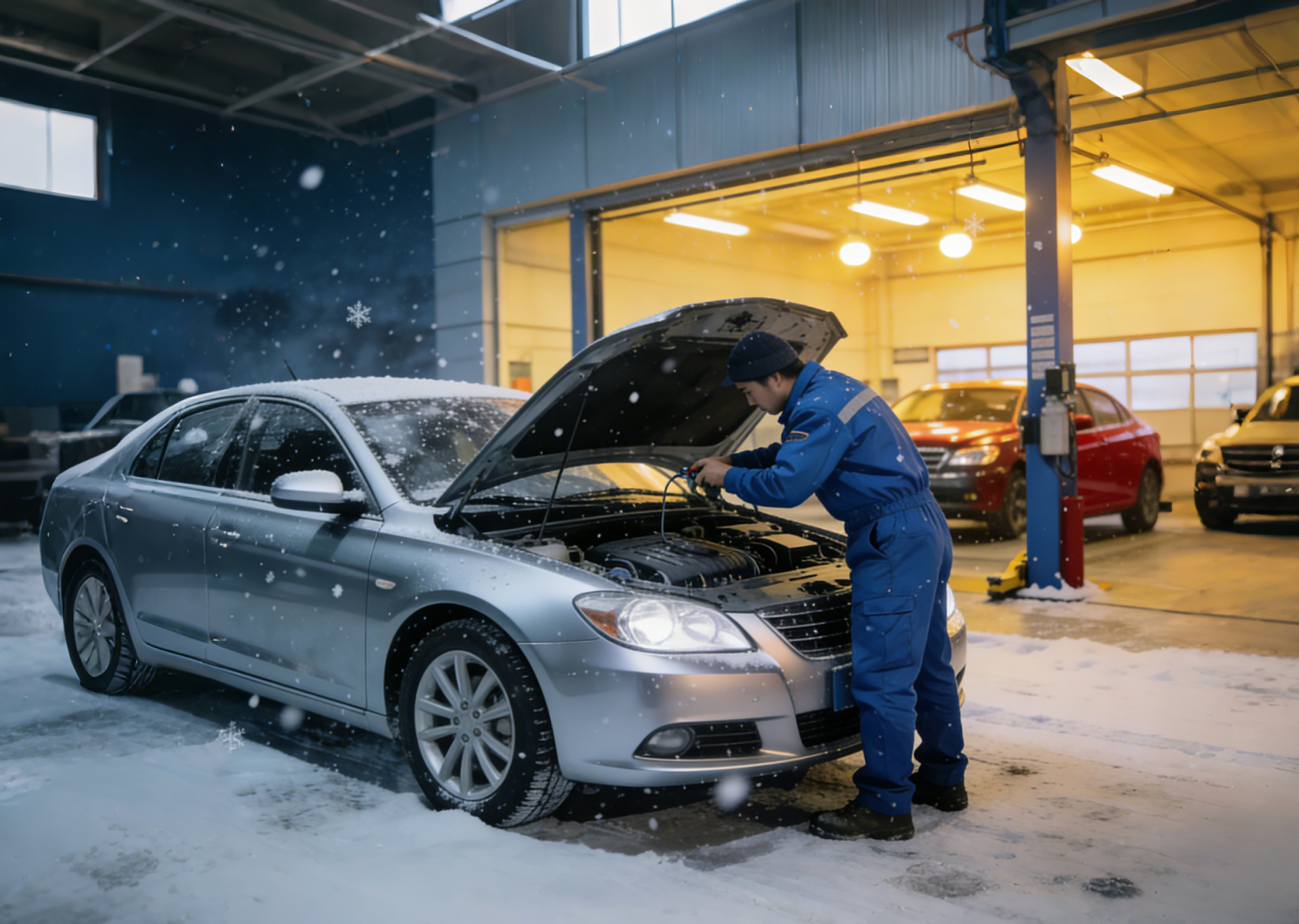
Proč byste měli v zimě kontrolovat klimatizaci svého auta

12 prosince, 2025
Podíl:
 autoolstore.com
Pomalá ztráta během měsíců s nízkou spotřebou
Klimatizace v autě není nikdy zcela utěsněná. Část chladiva časem uniká, i když systém neběží. Ztráta cca 5–10 % ročně je považováno za normální.
Ale tady je háček: většina řidičů se v zimě klimatizace téměř nedotkne. Pak přijde léto a najednou vzduch není studený, kompresor se nezapne, hladina chladiva je nízká nebo je systém pod tlakem.
V mnoha případech je hlavní příčina jednoduchá: chladivo pomalu uniká už měsíce a nikdo si toho nevšiml.
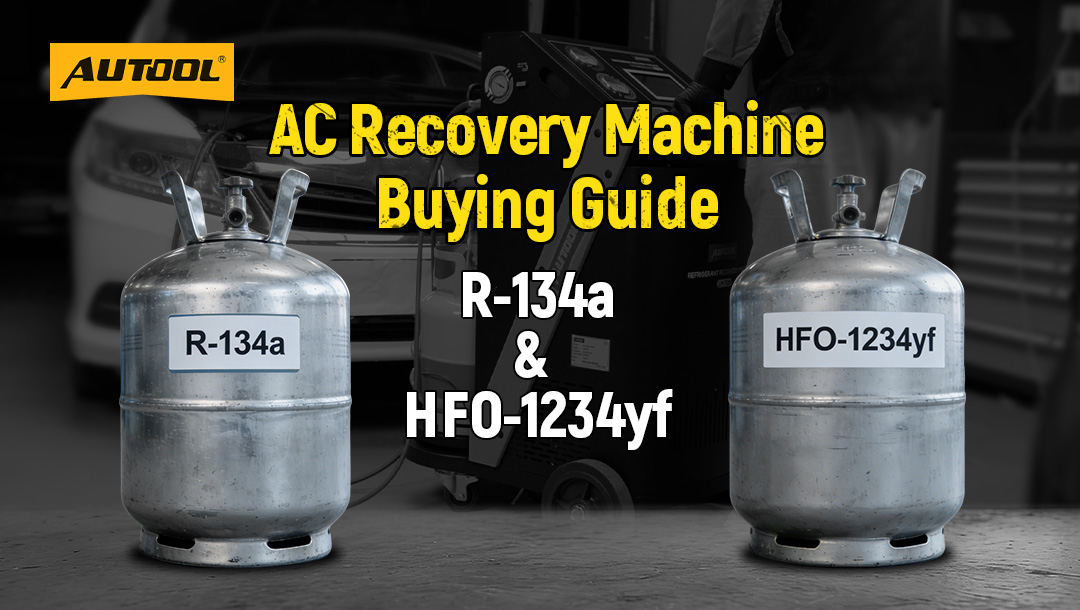
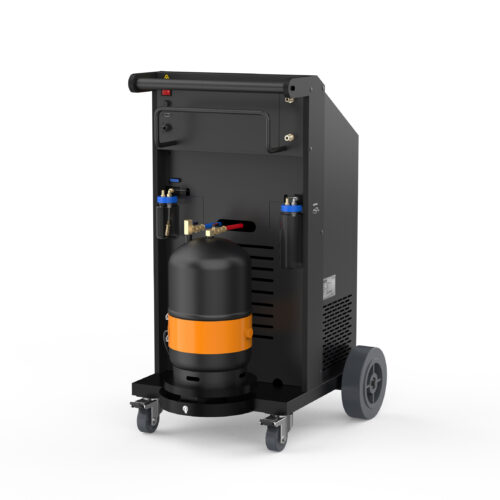
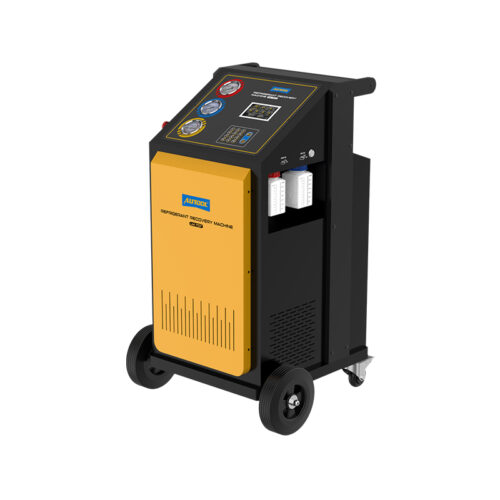
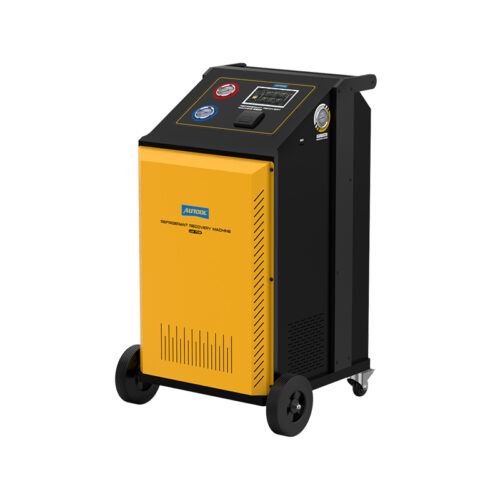
Proto je zima ve skutečnosti užitečným obdobím pro rychlou kontrolu. Použití profesionálních nástrojů, včetně AUTOOL Díky zařízením pro regeneraci a doplňování chladiva mohou technici předem otestovat tlak v systému a hladiny chladiva, odhalit včasné úniky a vyhnout se shánění po opravách, když se počasí oteplí.
Nástroje pro obnovu a dobíjení klimatizace
Tyto karty produktů se vykreslují pomocí shortkódů WooCommerce, takže karty dědí stejnou cestu k kartě produktu, kterou používá referenční rozvržení.


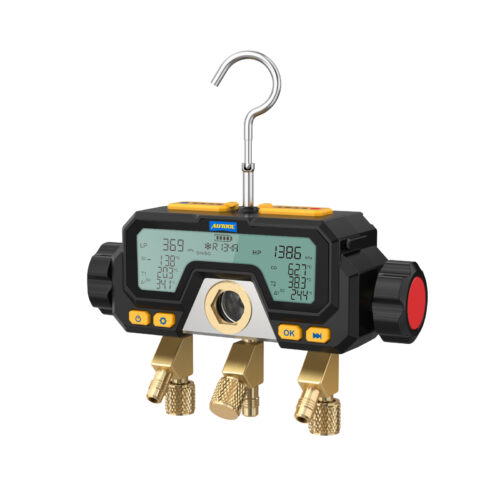
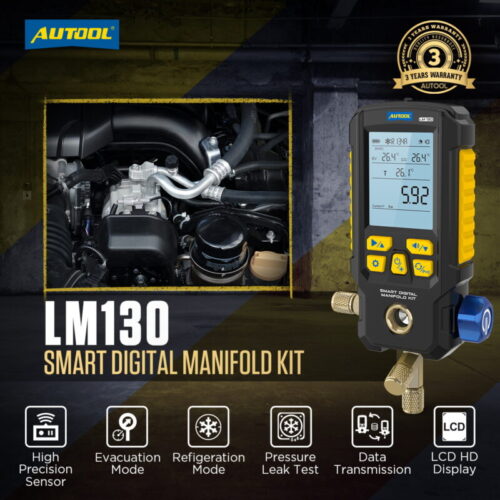
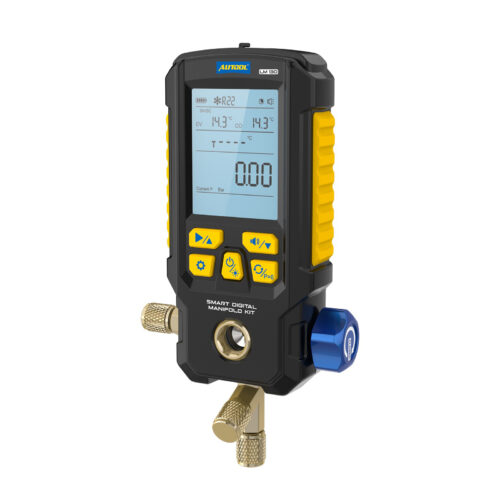
Zápach, vlhkost a komponenty v nečinnosti
Chladné měsíce často přinášejí déšť, sníh a velké teplotní výkyvy. Nadměrná vlhkost usnadňuje usazování vody uvnitř výparníku. Pokud klimatizace nebyla v provozu týdny nebo měsíce, může se objevit několik problémů.
Mnoho řidičů si myslí: „V zimě jsem klimatizaci nepoužíval, takže by neměl být cítit žádný zápach.“ Opak je často pravdou. Pokud ji nepoužíváte, může se zápach pravděpodobnější.
Pomůže to jednoduché: čas od času zapněte klimatizaci, aby se udržela cirkulace vzduchu, a použijte zařízení na regeneraci chladiva s funkcemi tlakové zkoušky, regenerace a doplňování, abyste zkontrolovali, zda systém neobsahuje vlhkost, kontaminaci vzduchu nebo nerovnováhu chladiva. Díky tomu se chladicí výkon zvýší i po návratu léta.
Kompresor je jednou z nejdražších součástí klimatizace. Pokud se měsíce nepoužívají, může se začít objevovat několik problémů.
Jakmile k tomu dojde, opravy mohou snadno stát majlant. Jednoduchá zimní kontrola tomu může pomoci předejít. Použití zařízení pro odsávání klimatizace k odsávání, obnově chladiva a cirkulaci oleje udržuje systém promazaný a dramaticky snižuje riziko selhání kompresoru.
Změny tlaku odhalují slabá místa
Protože teploty v zimě tak silně kolísají, kovové potrubí v klimatizačním systému se znatelněji roztahuje a smršťuje. Díky tomu se malé netěsnosti mohou projevit snadněji než v létě.
S profesionálním zařízením pro regeneraci a doplňování chladiva mohou technici systém kontrolovat lépe.
Včasné odhalení problému znamená jeho včasnou opravu. Čekání do léta často promění jednoduchou opravu ve velkou.
Mnoho řidičů si klade otázku, zda má smysl v zimě vůbec přidávat chladivo. Odpověď zní: Ano.
I v chladném počasí se klimatizace stále spoléhá na chladivo pro funkce, jako je odmlžování a podpora topného cyklu. Doplňování chladiva v zimě však s sebou nese svá specifická opatření.
Pravidelné kontroly chladiva jsou důležité bez ohledu na roční období. Ať už je léto nebo zima, sledování hladiny chladiva a jeho úprava v případě potřeby pomáhá klimatizaci udržet v dobrém stavu a připravenou k použití po celý rok.
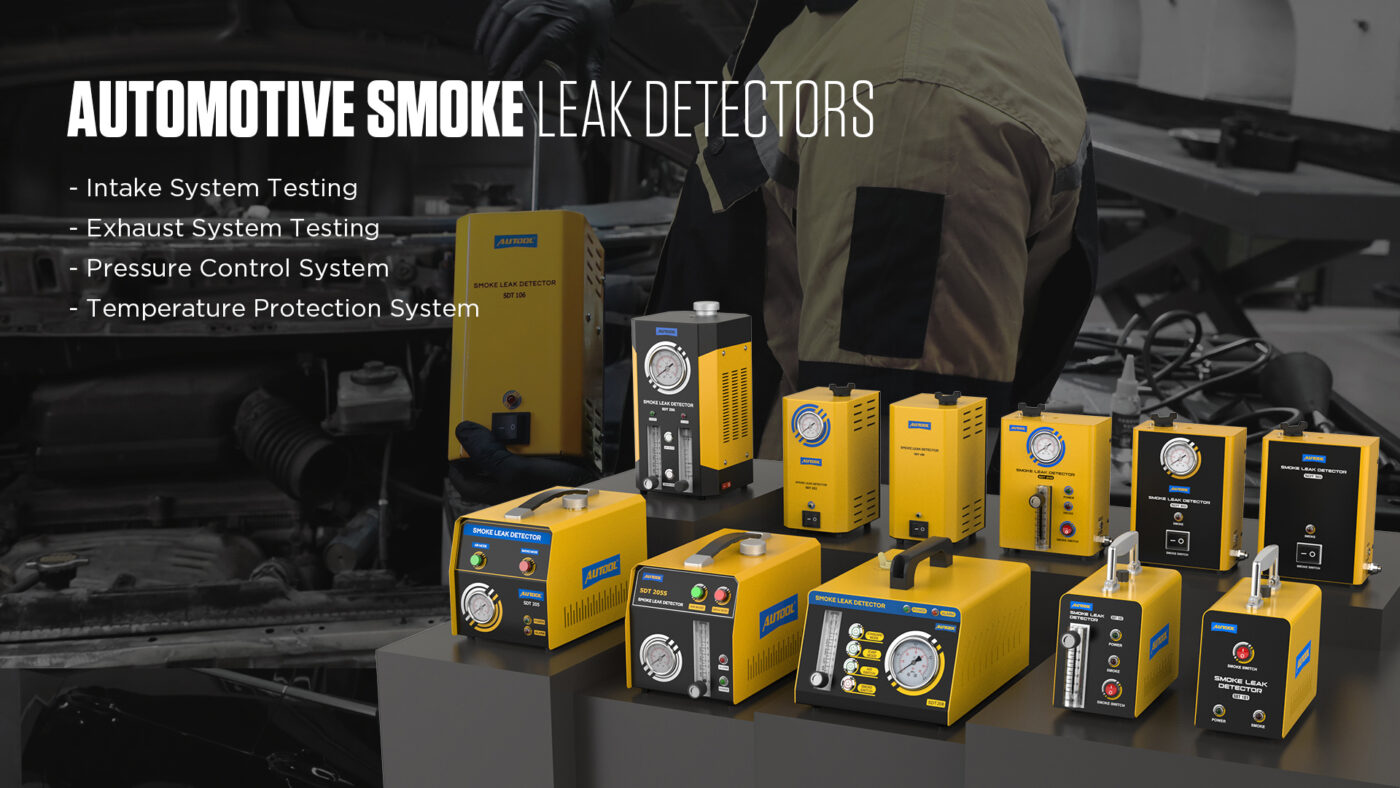
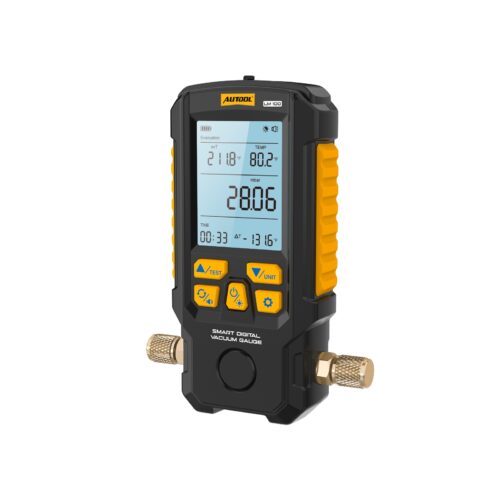
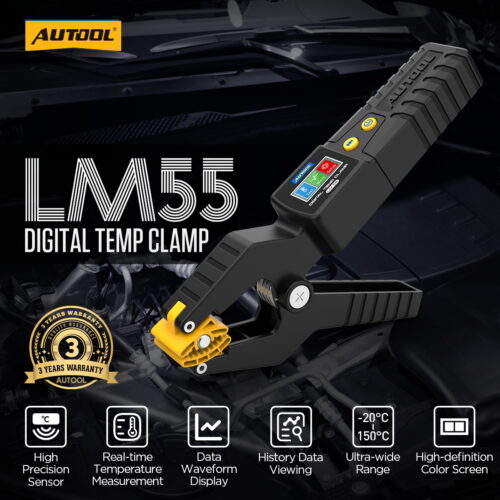
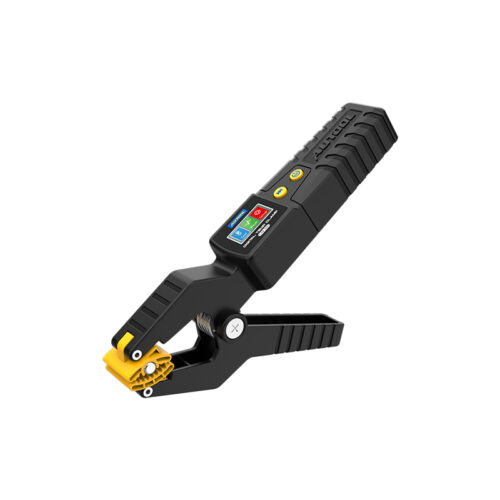
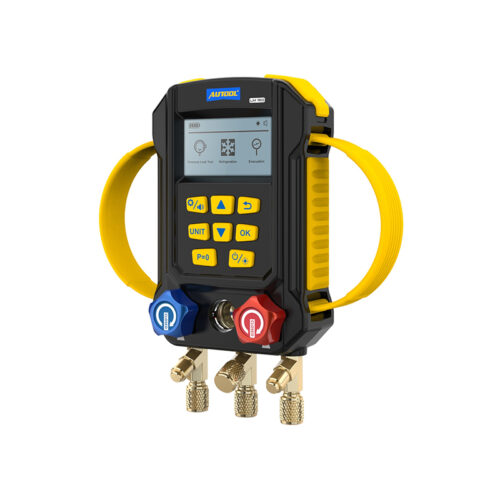
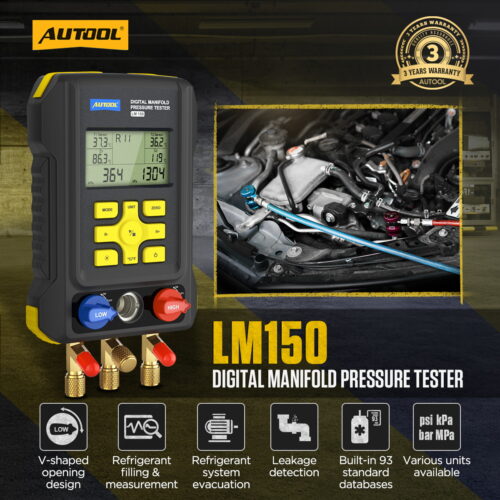
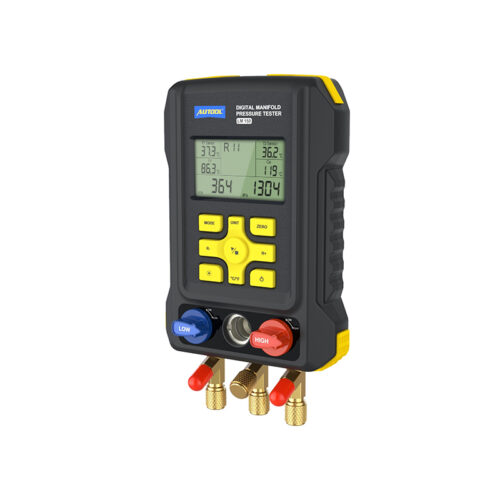
Nástroje pro detekci a měření netěsností
Tyto nástroje podporují kontrolu tlaku, podtlaku, teploty a těsnosti během zimní kontroly klimatizace.
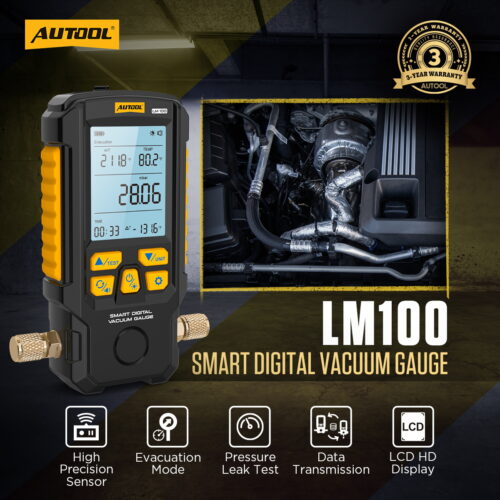

Praktický servisní pracovní postup
Zima je mimosezónou pro údržbu klimatizací a chladicích systémů, což s sebou nese jasné výhody: kontroly mohou stát méně, méně lidí čeká ve frontě, servisní stanice a technici jsou k dispozici více a dílny jsou často ochotnější provádět hloubkovou údržbu.
Naproti tomu léto je plnou sezónou oprav klimatizací. Čekání na servis dvě hodiny a zaplacení dvojnásobné ceny není neobvyklé. Zimní prohlídka může ušetřit peníze i čas.
To pomáhá určit, zda je hladina chladiva nízká nebo zda jsou v systému nerovnoměrné tlaky.
An AUTOOL Zařízení pro regeneraci a doplňování chladiva dokáže automaticky regenerovat staré chladivo, vysát systém a zkontrolovat těsnost, přesně doplnit chladivo bez přeplnění, ušetřit práci a zlepšit přesnost.
Poslouchejte neobvyklé zvuky nebo vibrace, abyste se ujistili, že kompresor běží hladce.
Pro lepší potvrzení úniku spojte tlakové zkoušky dusíkem nebo elektronický detektor úniků s kontrolami tlaku v systému.
Ujistěte se, že výparník a ventilátor fungují správně a že proudění vzduchu je konzistentní. Tento poslední krok pomáhá ověřit, zda je systém nejen naplněn, ale také zda je schopen dodávat do kabiny čistý a stálý vzduch.
Závěr sezónní údržby
Zimní prohlídky pomáhají předcházet přirozeným únikům chladiva, chrání kompresor před poškozením, včas odhalují netěsnosti, odstraňují nepříjemné pachy a předbíhají letní shon oprav.
Jednoduše řečeno: vynechejte zimní kontroly a letní problémy jsou mnohem pravděpodobnější. Krátká mimosezónní kontrola může udržet klimatizaci v dobrém stavu a zpříjemnit jízdu v horkém počasí.
Kontakt AUTOOL a dozvíte se více o regeneraci chladiva, doplňování, detekci úniků a digitálních nástrojích pro rozdělovače. Noví zákazníci se také mohou zeptat na 10% slevu a 3letou záruku.
WhatsApp: +86 189 2647 7404
E-mail: [email protected]
Související produkty
Vykresleno pomocí shortcodu produktu WooCommerce, takže karty dědí globální strukturu produktových karet a styly Blocksy/WooCommerce.