Informace o opravách, Nezařazené
Vidíte tyto příznaky? Vaše vstřikovače paliva jsou čisté!

10 prosince, 2025
Podíl:
 autoolstore.com
Čištění vstřikovačů paliva ovlivňuje výkon motoru, palivovou účinnost, stabilitu volnoběhu a emise. Po čištění není klíčovou otázkou jen to, zda vstřikovač vypadá čistěji, ale také to, zda se rozstřik, průtok, těsnění a elektromagnetická odezva vrátily do spolehlivého stavu.
Odborná kontrola pomáhá potvrdit, zda bylo čištění vstřikovačů paliva účinné a zda je nutné další ultrazvukové čištění, oprava nebo výměna. Tato příručka vysvětluje šest kritérií pro posouzení výsledku čištění a příznaky, které naznačují neúplné čištění.
Kontrola výsledku čištění
Čištění vstřikovačů paliva ovlivňuje výkon, spotřebu paliva, kvalitu volnoběhu a emise. Pokud vstřikovač i po čištění stále nerovnoměrně stříká, netěsní, zasekává se nebo má špatný průtok, motor se může nadále třást, spotřebovávat více paliva nebo běžet s nestabilním spalováním.
Řádná kontrola po čištění pomáhá potvrdit, zda bylo čištění úspěšné a zda jednotlivé vstřikovače mohou fungovat konzistentně s ostatními.
Profesionální hodnocení
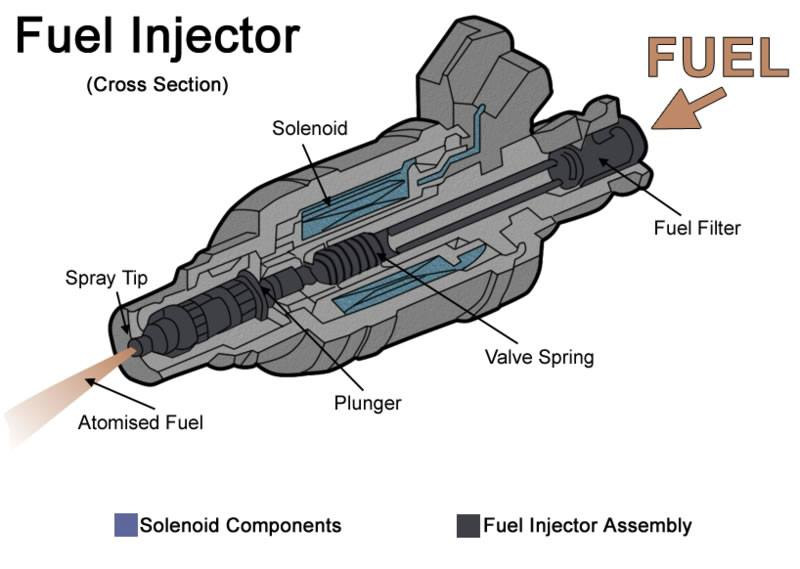
Před čištěním: Vzor rozstřiku se může jevit jako přímka nebo může být špatně zarovnaný. Rozprašování může být hrubé s velkými kapkami. Může docházet k odkapávání nebo palivo nemusí správně stříkat.
Po čištění: Rozstřik by měl mít tvar vějíře nebo deštníku s jemným a rovnoměrným rozprašováním. Nemělo by docházet k odkapávání ani nerovnoměrnému rozstřiku.
Vzor atomizace je klíčovým ukazatelem pro určení, zda je čištění důkladné.
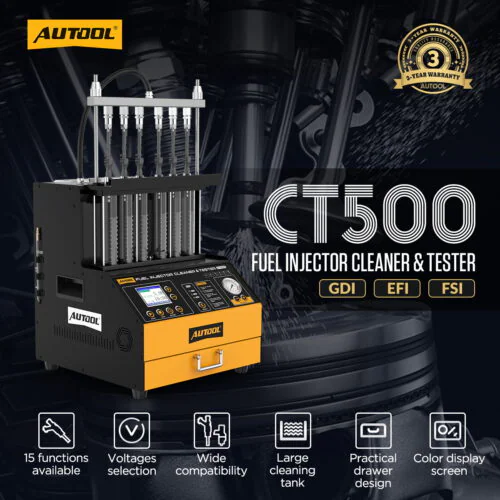
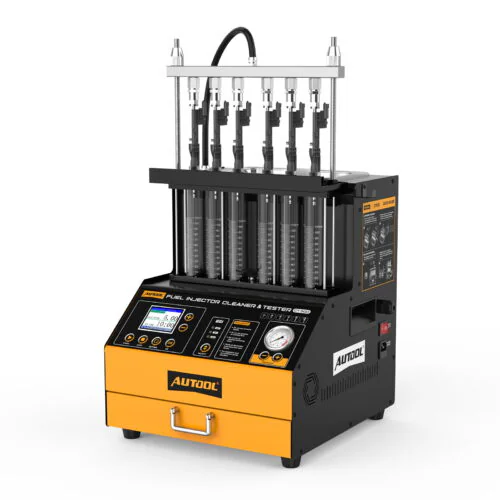
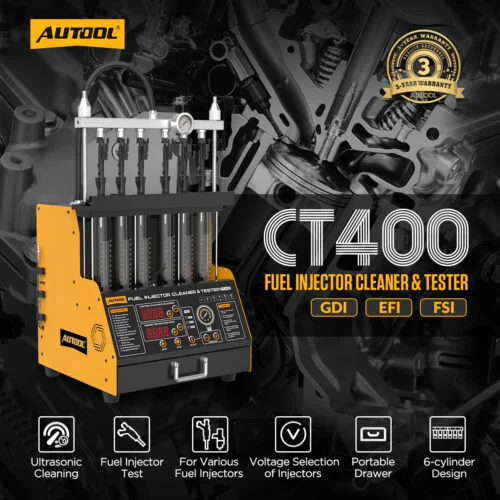
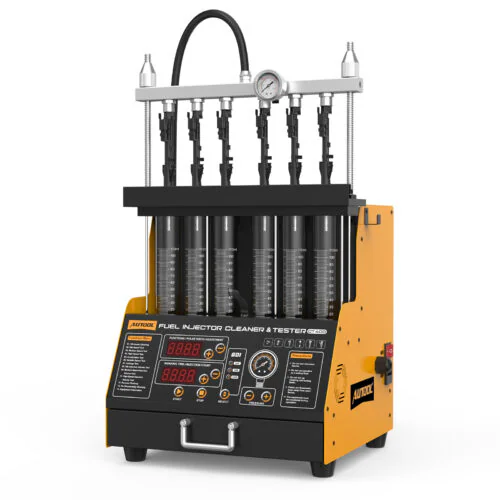
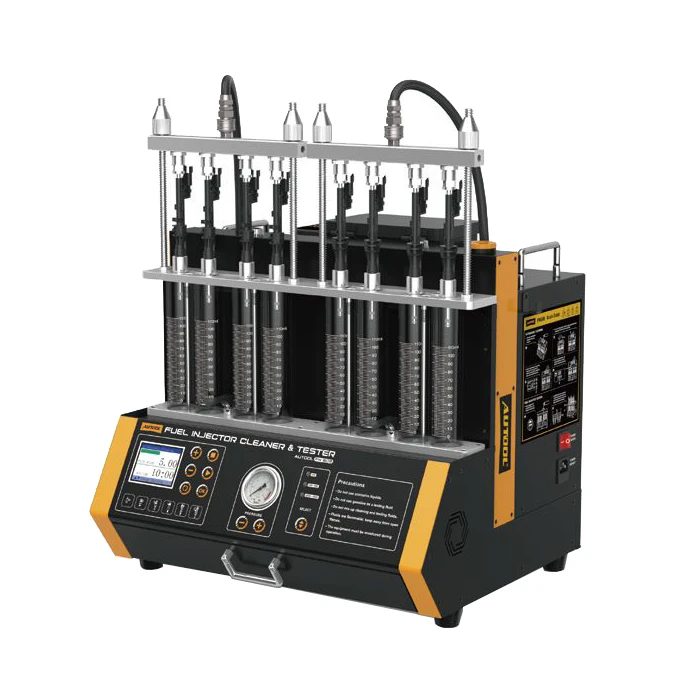
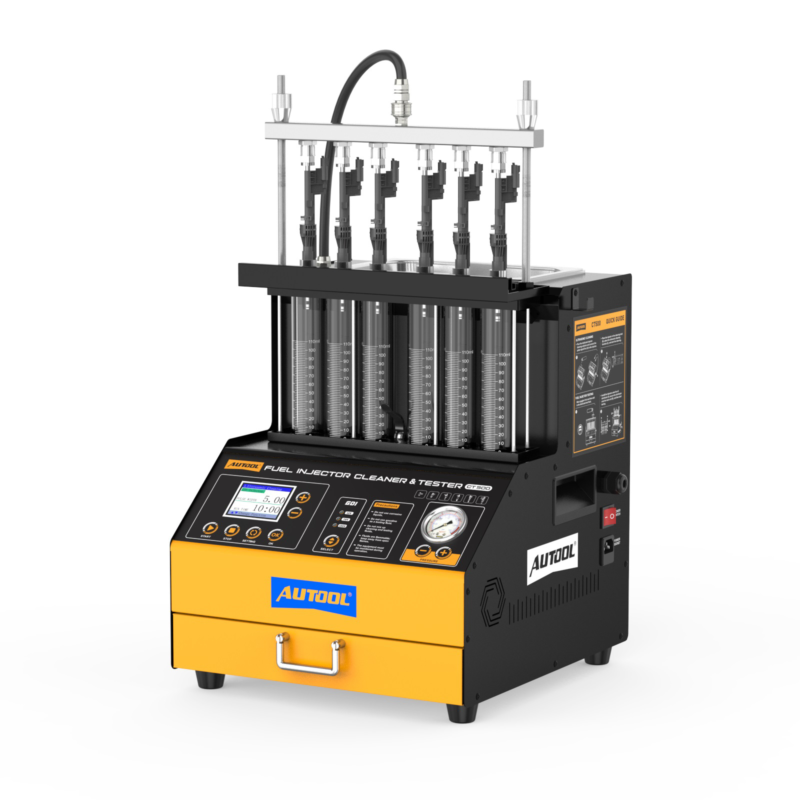
Použijte tester vstřikovačů, např. AUTOOL CT500 nebo MRCARTOOL CT620 provést zkoušku průtoku. Před čištěním se může průtok mezi vstřikovači výrazně lišit, přičemž odchylky mohou přesáhnout 8–10 mla jeden nebo více vstřikovačů může vykazovat znatelně nižší průtok.
Po vyčištění by u vozidel se 4 nebo 6 vstřikovači měl být rozdíl průtoků ≤ 5 mlCelkový průtok by měl být obnovený, vyvážený a blízký standardní hodnotě. Čím konzistentnější jsou průtoky, tím plynulejší bude motor běžet.
Když na stroji zvolíte test solenoidu nebo test těsnosti, můžete zkontrolovat, zda se vstřikovač rychle otevírá a zavírá.
Kvalifikovaný výkon po čištění zahrnuje vysokofrekvenční otevírání a zavírání bez zasekávání, bez zpožděné odezvy nebo zasekávání jehly a bez trvalého úniku. Pokud se vstřikovač i po čištění stále zasekává, je nutné provést další kolo hloubkového ultrazvukového čištění.
Během zkoušky udržení tlaku natlakujte systém a sledujte, zda vstřikovače netěsní. Správně vyčištěný vstřikovač by měl vykazovat stabilní udržení tlaku, žádné kapání, žádné prosakování a velmi pomalý pokles tlaku nebo téměř žádný pokles.
Špatné těsnění může vést k nerovnoměrnému volnoběhu a zvýšené spotřebě paliva.
I bez testovacího vybavení můžete účinnost čištění posoudit na základě výsledků silničních testů. Účinné čištění může prokázat stabilnější volnoběh, žádné chvění, plynulejší zrychlení, sníženou spotřebu paliva, snadnější studené starty a čistší výfukové plyny.
Pokud se objeví alespoň 2–3 z těchto zlepšení, znamená to, že čištění bylo účinné.
Mnoho servisů po vyčištění zobrazuje barvu odpadní kapaliny. Tmavě hnědá, černá nebo nečistotami naplněná kapalina naznačuje, že se ve vstřikovačích paliva usadily usazeniny.
Toto je užitečné pro referenci, ale nenahrazuje formální testy průtoku, rozstřiku, těsnění a odezvy.
Kdy znovu uklidit
Pokud se po čištění objeví některý z následujících problémů, může být nutné vstřikovače paliva znovu vyčistit nebo je vyměnit:
Zařízení a proces
Doporučuje se používat zařízení s těmito vlastnostmi:
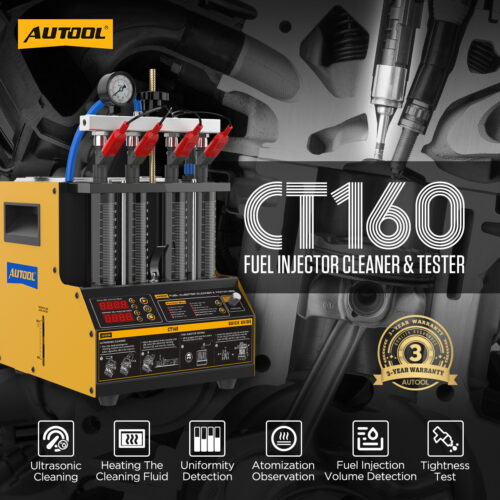
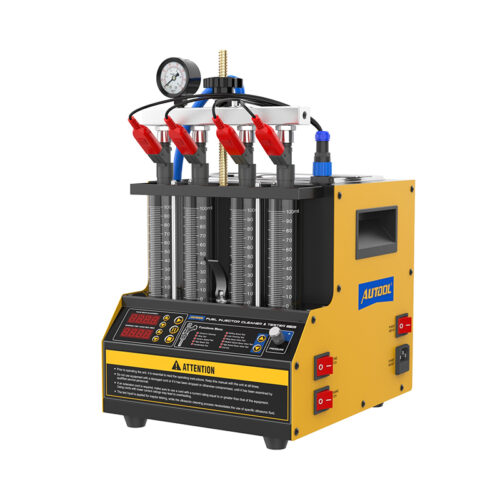
Mezi příklady patří AUTOOL CT500, FN606a FN608 zařízení pro čištění a testování vstřikovačů.
Doba ultrazvukového čištění je obecně nejlepší dodržovat mezi 10 a 20 minut.
Nedívejte se pouze na celkový čisticí účinek. Zkontrolujte průtok, rozprašování a těsnění každého vstřikovače paliva.
Po čištění proveďte další měření, abyste se ujistili, že je rozstřik zcela konzistentní.
Kvalitu čištění vstřikovačů paliva můžete rychle posoudit pomocí tří bodů: sprej, průtok a těsnění.
Pokud jsou splněny všechny tři podmínky, je čištění velmi důkladné.
Chcete se dozvědět více? Kontaktujte nás a získejte 10% slevu pro nové zákazníky a 3letou záruku.
Související produkty
Vykresleno pomocí shortcodu produktu WooCommerce, takže karty dědí stejnou strukturu produktových karet, jakou používá referenční příspěvek.