Информация за ремонт, Некатегоризирано
Сменяте ли правилно спирачната течност?

февруари 23, 2025
Споделяне:
 autoolstore.com
Ограничения на традиционните методи за смяна на спирачна течност
Съществуват два често срещани традиционни метода за смяна на спирачна течност: методът на гравитачно източване и методът на ръчно задействане на спирачката. И двата могат да работят в някои ситуации, но и двата имат ясни ограничения, когато целта е бърза, чиста и пълна смяна на спирачната течност.
Метод на гравитационно оттичане
Този метод разчита на гравитацията, за да позволи на старата спирачна течност да изтече бавно, докато се добавя нова. Основният проблем е скоростта и постоянството. Изтичането на течността е бавно и ако процесът не се управлява внимателно, въздушните мехурчета могат да останат в спирачната линия и да повлияят на спирачната ефективност.
Метод за ръчно задействане на спирачката
Този метод обикновено изисква двама души. Единият човек натиска педала на спирачката, докато другият отваря винта за обезвъздушаване, за да изпусне старата спирачна течност. Процесът е тромав, по-неефективен и може да позволи на въздуха да се смеси със спирачната течност, ако синхронизацията или контролът на нивото на течността не се извършват правилно.
Независимо кой традиционен метод се използва, често срещаните рискове са сходни: остатъци от въздушни мехурчета, непълна подмяна на спирачната течност и отнемащ време работен процес. Тези проблеми са от значение, защото въздухът в спирачната линия може да намали хидравличната реакция и да отслаби спирачната сила.
Как работи автоматичният обменник на спирачна течност
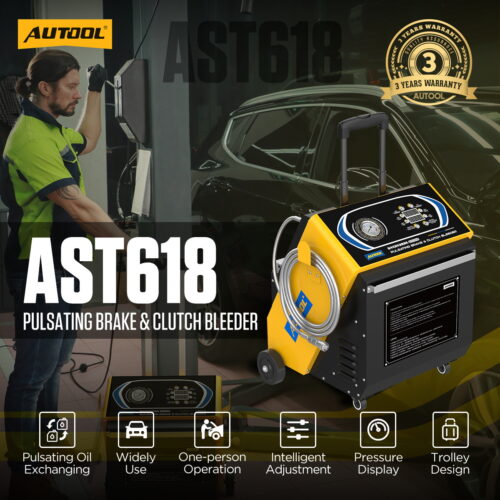
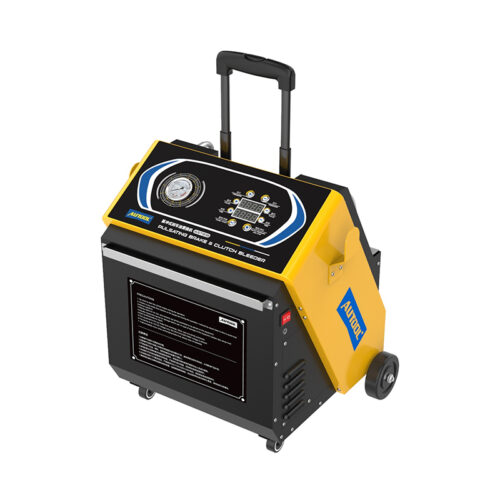
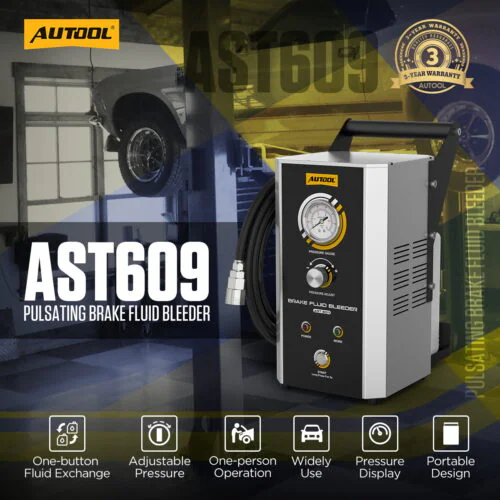
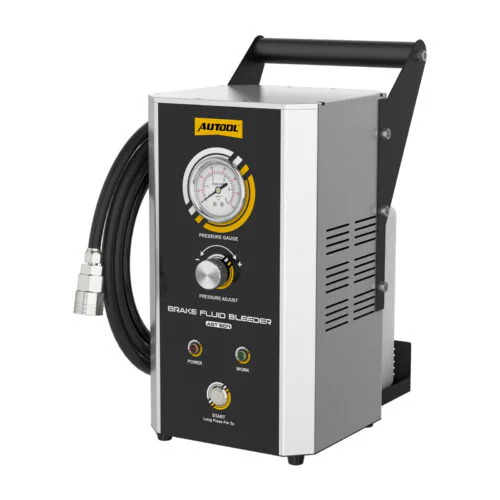
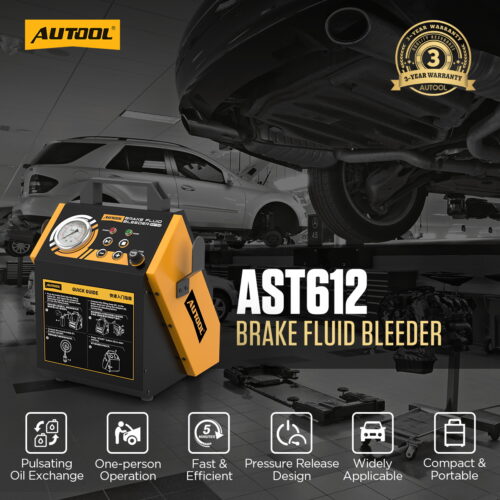
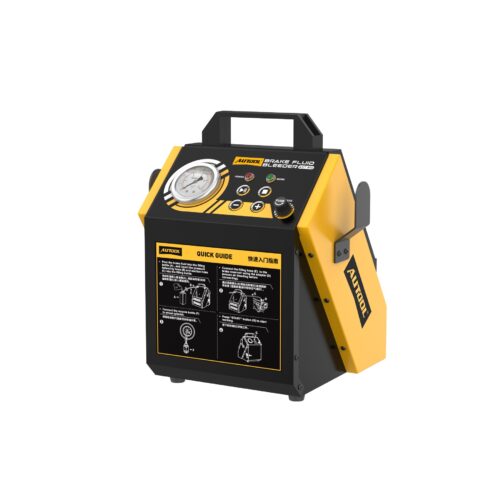
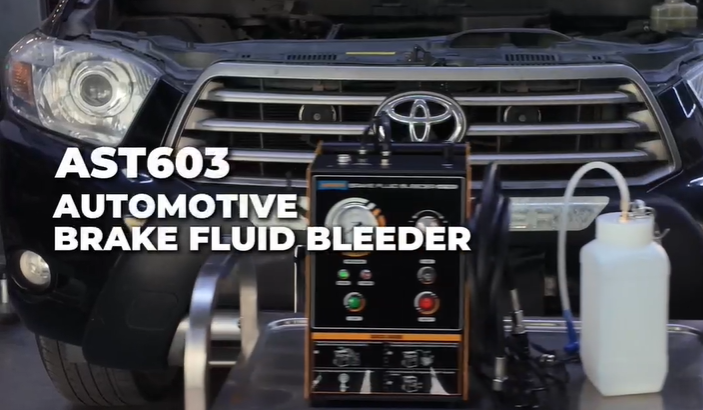
Автоматичният обменник на спирачна течност използва импулсно налягане и автоматично допълване, за да придвижи нова течност през спирачната линия, докато старата течност се изпуска. Целта е да се смени спирачната течност ефективно, да се намали навлизането на въздух и да се поддържа по-стабилна спирачна работа след обслужване.
Предимства на автоматичен пулсиращ обменник на спирачна течност
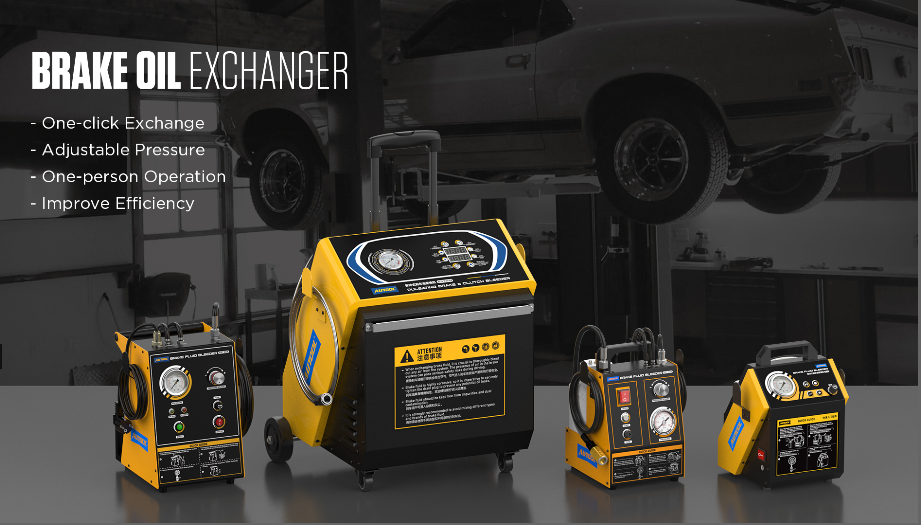
В сравнение с традиционните методи, пулсиращият топлообменник на спирачна течност подобрява подмяната на спирачната течност чрез автоматизация, импулсно обезвъздушаване, стабилно допълване и по-чисто боравене с отпадъчните течности. Това е особено полезно за сервизи, механици, автомобилни ентусиасти и собственици на „Направи си сам“, които искат по-контролиран процес.
Ефективната смяна на маслото спестява време
Традиционната смяна на спирачна течност може да отнеме 30 минути или повече. Автоматичен инструмент за смяна на спирачна течност често може да завърши работата за около 10-15 минути, в зависимост от състоянието на автомобила и работния процес по обслужване.
Пулсиращото вентилиране намалява остатъците от въздушни мехурчета
Технологията за импулсна смяна на маслото помага за отстраняване на въздуха от спирачните маркучи. Намаляването на остатъците от въздух помага да се избегне мекото усещане за педала и поддържа по-безопасна реакция при спиране.
Работа от един човек
Традиционният метод с педали обикновено изисква двама души. Сменникът за спирачна течност позволява работа от един човек, без многократно натискане на педала на спирачката, което прави процеса по-лесен и удобен.
Широка съвместимост с превозни средства
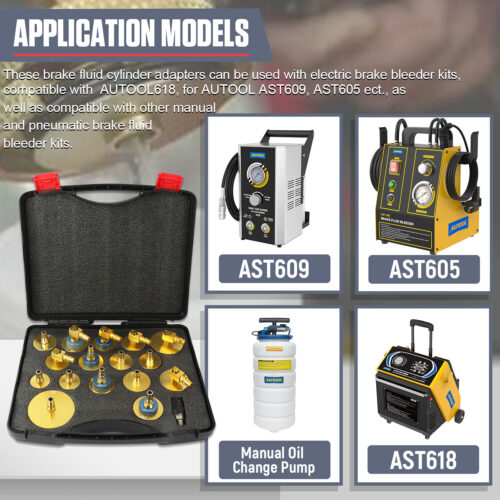
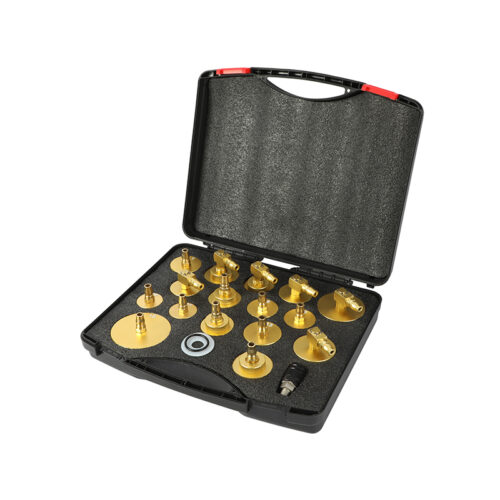
AUTOOL Пулсиращите топлообменници за спирачна течност поддържат смяната на спирачна течност за много автомобили и мотоциклети. С правилните фитинги те могат да се адаптират към различни сервизни интерфейси.
Автоматичното допълване предотвратява прекъсване поради ниско ниво на течността
Функцията за следене на нивото на маслото и допълване помага за предотвратяване на недостатъчно количество течност по време на сервизно обслужване. Това намалява риска от навлизане на въздух в спирачната линия и осигурява по-плавен процес на смяна.
Спирачната система влияе пряко върху безопасността на шофиране, така че смяната на спирачната течност не трябва да се третира като небрежна стъпка по поддръжката. Пулсиращият обменник на спирачна течност може да направи работата по-бърза, по-лесна за работа и по-щателна, като използва положително налягане, импулсно изпускане, автоматично допълване и рециклиране на отпадъчната течност.
За професионалните сервизи най-голямото предимство е стабилността на работния процес: един техник може да извърши услугата по-ефективно, като същевременно намали вероятността от навлизане на въздух в спирачната линия. За автомобилни ентусиасти или потребители, които сами си правят труда, правилният обменник на спирачна течност също помага за по-контролиран процес, при условие че се спазват правилният адаптер, вид спирачна течност и процедура за обслужване.
Търсите по-безопасен работен процес за смяна на спирачна течност?
Сравни AUTOOL обменници на спирачна течност и тестери за спирачна течност по-долу, за да отговарят на честотата на обслужване, типа на превозното средство и нуждите от адаптер.
Свързани продукти
Рендира се чрез продуктов шорткод на WooCommerce, така че картите наследяват свързаната със сайта структура на продуктова карта.