نصائح ودروس تعليمية
هل سأنفق المال على منظف جديد لحاقن الوقود مرة أخرى؟ ليس بالضرورة!

يونيو 21, 2025
يشارك:
 autoolstore.com
عند استخدام جهاز تنظيف البخاخات، قد يواجه المستخدمون مشاكل مثل عدم رش سائل الاختبار، أو عدم تشغيل الجهاز، أو التسريب، أو فشل التنظيف بالموجات فوق الصوتية. قد توحي هذه الأعراض بأن الجهاز بأكمله بحاجة إلى استبدال.
لكن في كثير من الحالات، فإن معظم حالات فشل AUTOOL يمكن حل مشكلة جهاز تنظيف حاقنات الوقود بالموجات فوق الصوتية عن طريق استبدال الأجزاء الصغيرة أو فحص تفاصيل التشغيل الأساسية. ويمكن تجنب استبدال الجهاز بالكامل في كثير من الأحيان باستخدام سائل التنظيف المناسب، وسائل الاختبار، والفيوزات، والأسلاك، والحشيات، والملحقات بعناية.
لاستخدام منظف حاقن الوقود بالموجات فوق الصوتية، أضف سائل تنظيف الكربون الخاص بحاقنات الوقود قبل تشغيل وظيفة الموجات فوق الصوتية. لا تشغل وظيفة الموجات فوق الصوتية وهي جافة. قد يؤدي تشغيلها بدون سائل التنظيف إلى تلف نظام الموجات فوق الصوتية.
لسائل الاختبار، استخدم الكحول مثل كحول الأيزوبروبيل أو الإيثانول بتركيز يزيد عن 95%، أو استخدم سائل اختبار الحقن الاحترافي. تجنب استخدام السوائل المسببة للتآكل في الاختبار، وخاصة سوائل التنظيف، لأنها قد تُلحق الضرر بأجزاء المعدات، وتتسبب في تعطل المضخة، وقد تُعتبر أضرارًا ناتجة عن سوء الاستخدام.
أضف سائل تنظيف الكربون الخاص بحاقن الوقود قبل البدء بالتنظيف بالموجات فوق الصوتية.
لا تقم بتشغيل التنظيف بالموجات فوق الصوتية بدون وجود سائل في الخزان.
استخدم كحول الأيزوبروبيل بنسبة 95% أو أعلى، أو الإيثانول، أو سائل اختبار الحقن الاحترافي.
إذا لم يتم استخدام الجهاز لفترة طويلة، فأعد تدوير سائل الاختبار لتجنب التآكل الناتج عن السائل المتفحم.
قبل استبدال منظف الحاقن بالكامل، تحقق مما إذا كانت المشكلة ناتجة عن مستوى السائل، أو اتصال خط النبض، أو حالة المصهر، أو خرج محول الطاقة، أو تآكل الحشية، أو وضع المفتاح، أو ارتخاء الأسلاك، أو توافق الملحقات.
| مشكلة | ما الذي يجب فحصه؟ | حل محتمل |
|---|---|---|
| لا يمكن رش محلول الاختبار | تحقق مما إذا كان سائل الاختبار يصل إلى الموضع المحدد، وما إذا كان مقياس الضغط يتغير، وما إذا كان خط نبض الحاقن متصلاً بشكل موثوق. | أضف السائل إلى الوضع الطبيعي، واضغط زر الضغط باستمرار، وأعد توصيل خراطيم النبض المفكوكة، واختبر مضخة الزيت، وتحقق من جهد المضخة. إذا لم يكن هناك جهد، فقد تحتاج المضخة إلى استبدال. |
| لا يمكن تشغيل الجهاز | تحقق من الفيوز في مأخذ الكهرباء، ومدخل محول الطاقة، وجهد الخرج. | استبدل الفيوز المحترق بفيوز جديد بقوة 5 أمبير. يجب أن يكون جهد الإدخال الطبيعي 110 فولت أو 220 فولت، وجهد الإخراج الطبيعي 12 فولت. إذا كان جهد المحول غير طبيعي، فقد يلزم استبداله. |
| تسرب السائل بعد الاستخدام | افحص حشية منع التسرب للأنبوب الزجاجي لجهاز التنظيف بالموجات فوق الصوتية. | إذا كانت الحشية مهترئة، فاستبدلها بأخرى جديدة. |
| لوحة التحكم تالفة عند الوصول | قم بتشغيل الجهاز وتحقق مما إذا كانت الأزرار تعمل بشكل طبيعي. | إذا كانت الأزرار تعمل، فأعد تركيب ملصق لوحة التحكم. إذا كانت الأزرار لا تعمل، فاستبدل لوحة التحكم. لاحظ أن CT200 تحتوي لوحة التحكم على إصدارات قديمة وجديدة، وقد لا يعمل التنظيف بالموجات فوق الصوتية بعد استبدالها بالإصدار الجديد الحالي. |
| لا يقوم الأنبوب الزجاجي بتصريف أو تخزين السوائل | تحقق مما إذا كان مفتاح تصريف الزيت قد تمت إعادة ضبطه وما إذا تمت إضافة سائل اختبار التآكل أو عامل التنظيف. | في حال إضافة سائل أكّال، قم بإزالة الغطاء الموجود أسفل الأنبوب الزجاجي وتحقق مما إذا كانت الحشية الداخلية مشوهة أو منتفخة. استبدل الأجزاء التالفة حسب الحاجة. |
| جهاز تنظيف حاقن الوقود بالموجات فوق الصوتية لا يعمل | تحقق مما إذا تم تفعيل نظام الحماية من ارتفاع درجة الحرارة أو ما إذا كانت أسلاك اللوحة الأم بالموجات فوق الصوتية مفكوكة. | إذا توقف الجهاز بعد الاستخدام، فقم بتبريده؛ فقد يتم تفعيل نظام الحماية عند تجاوز درجة الحرارة 70 درجة. إذا لم يعمل الجهاز عند الاستخدام الأول، فأعد توصيل الأسلاك المفكوكة. إذا استمرت المشكلة، فقد تحتاج اللوحة الأم للتنظيف بالموجات فوق الصوتية إلى الاستبدال. |
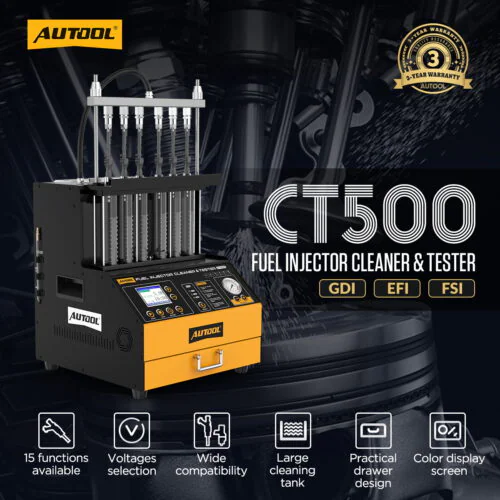
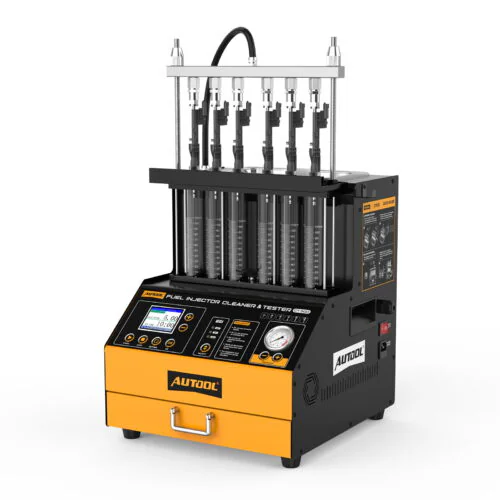
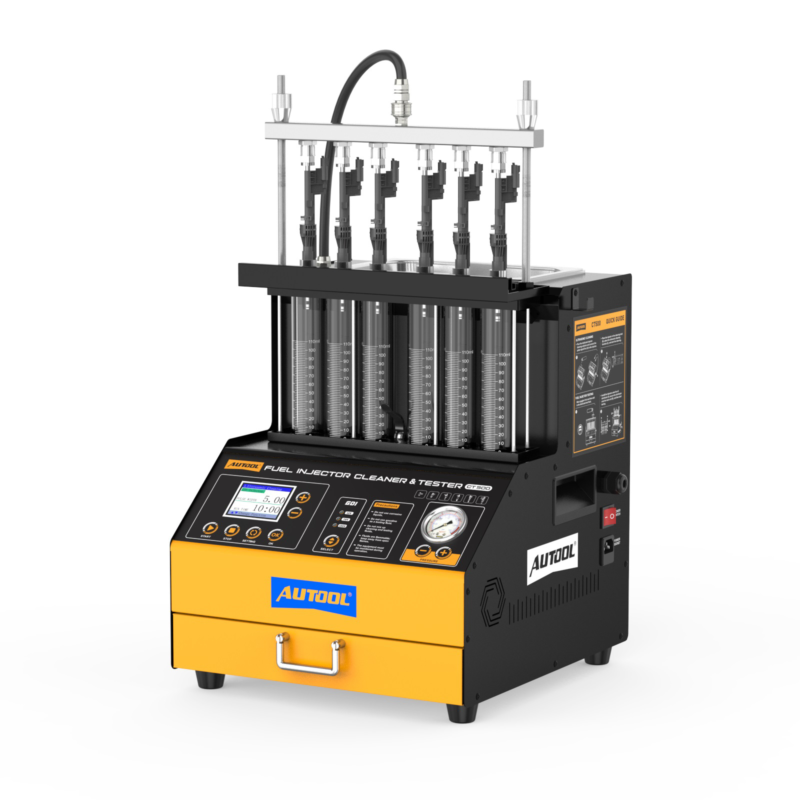
| غير متسق CT500 حقن الوقود | تحقق مما إذا كان الفرق بين الأنابيب الزجاجية ضمن النطاق الطبيعي، ثم اعزل مشاكل الحاقن وخط النبض واللوحة الرئيسية وموزع الوقود. | قد يكون فرق 2 مم ضمن هامش الخطأ الطبيعي. أما في حالة الفروقات الأكبر، فقارن الأنابيب الزجاجية العادية رقم 1 ورقم 2 مع الأنابيب ذات المواضع غير الطبيعية مثل رقم 4 ورقم 6، ثم بدّل الحاقنات وخطوط النبض لتحديد العطل. |
| CT500 لا يناسب سيارات BMW N54 حاقنات الوقود | تحقق من إحكام الإغلاق وحجم الموصل. | لف الشريط الخام فوق فوهة الحقن واختر الموصل 15 مم من المجموعة. |
متى CT500 أظهرت نتائج الاختبار عدم انتظام حقن الوقود، لذا يجب أولاً تحديد ما إذا كان الفرق ضمن نطاق الخطأ الطبيعي. إذا أظهرت أنابيب زجاجية مختلفة فرقًا قدره 2 مم بعد الاختبار، فيمكن اعتبار ذلك طبيعيًا، وقد يكون الحاقن سليمًا.
إذا كان الفرق في نتائج الاختبار كبيرًا، فقم بحل المشكلة تدريجيًا. حدد الأنبوب الزجاجي الذي يحتوي على حجم حقن غير طبيعي، مثل الأنبوب رقم 4 والأنبوب رقم 6، واختر أنابيب زجاجية طبيعية مثل الأنبوب رقم 1 والأنبوب رقم 2 كمجموعة ضابطة.
بدّل مكان البخاخين رقم 1 ورقم 2 إلى الموضعين رقم 4 ورقم 6. إذا انخفضت كمية الوقود المحقون تبعًا لمكان البخاخين، فقد يكون السبب هو البخاخ نفسه.
بدّل خطي النبض رقم 1 ورقم 2 إلى الموضعين رقم 4 ورقم 6. إذا كان حجم الرش المنخفض يتبع خط النبض، فقد يكون السبب هو خط النبض أو اللوحة الرئيسية.
إذا ظل الوضع من رقم 4 إلى رقم 6 منخفضًا بعد تبديل خطوط النبض، فقد يكون لموزع الوقود خرج غير طبيعي.
في حالة التأكد من وجود عطل في أحد الملحقات، قد تحل قطع الغيار المشكلة دون الحاجة إلى استبدال آلة تنظيف الحاقن بالكامل.
| سؤال | إجابة |
|---|---|
| هل يقوم AUTOOL هل تدعم آلة تنظيف البخاخات بخاخات الديزل؟ | لا يدعم هذا الجهاز خاصية الكشف عن حاقنات الديزل، ولكنه يُستخدم لتنظيفها. كما أن خاصية الموجات فوق الصوتية فيه تُساعد في تنظيف حاقنات الديزل. |
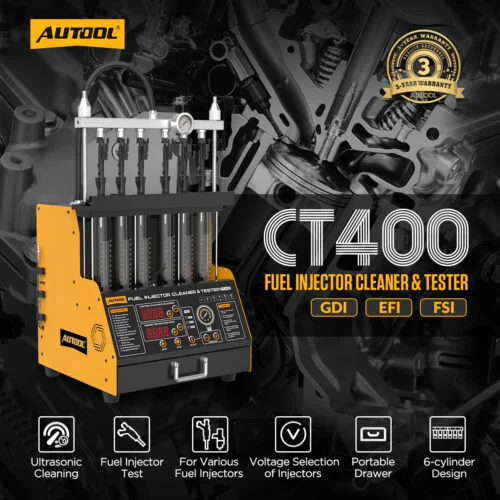
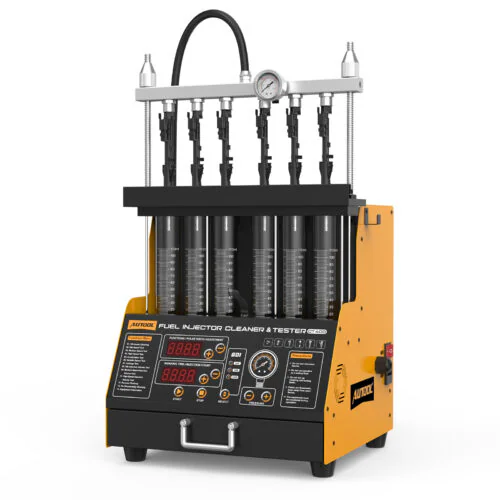
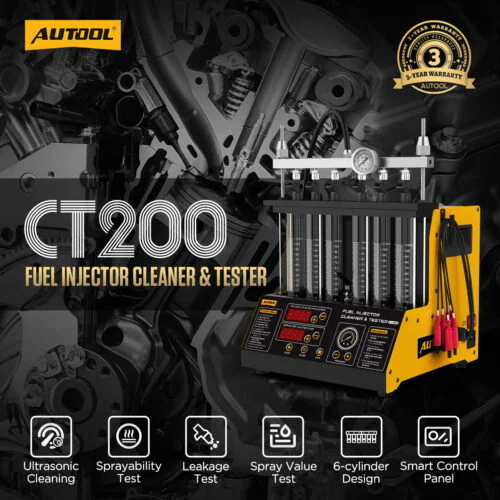
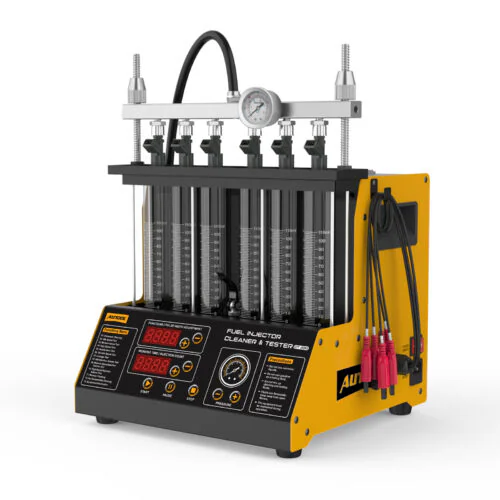
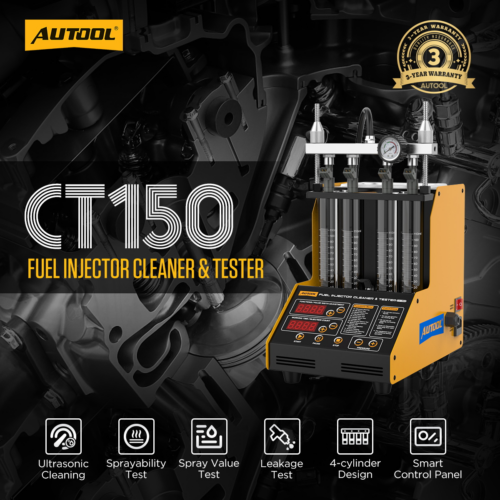
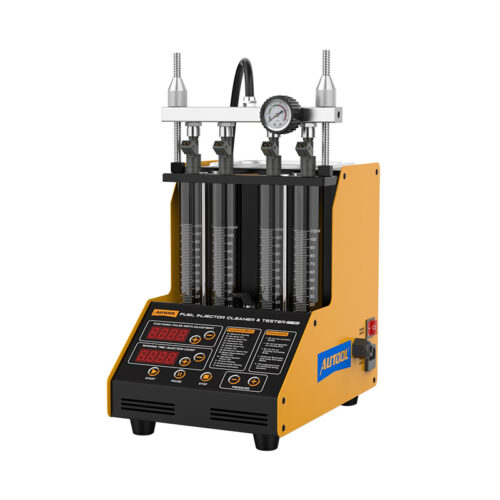
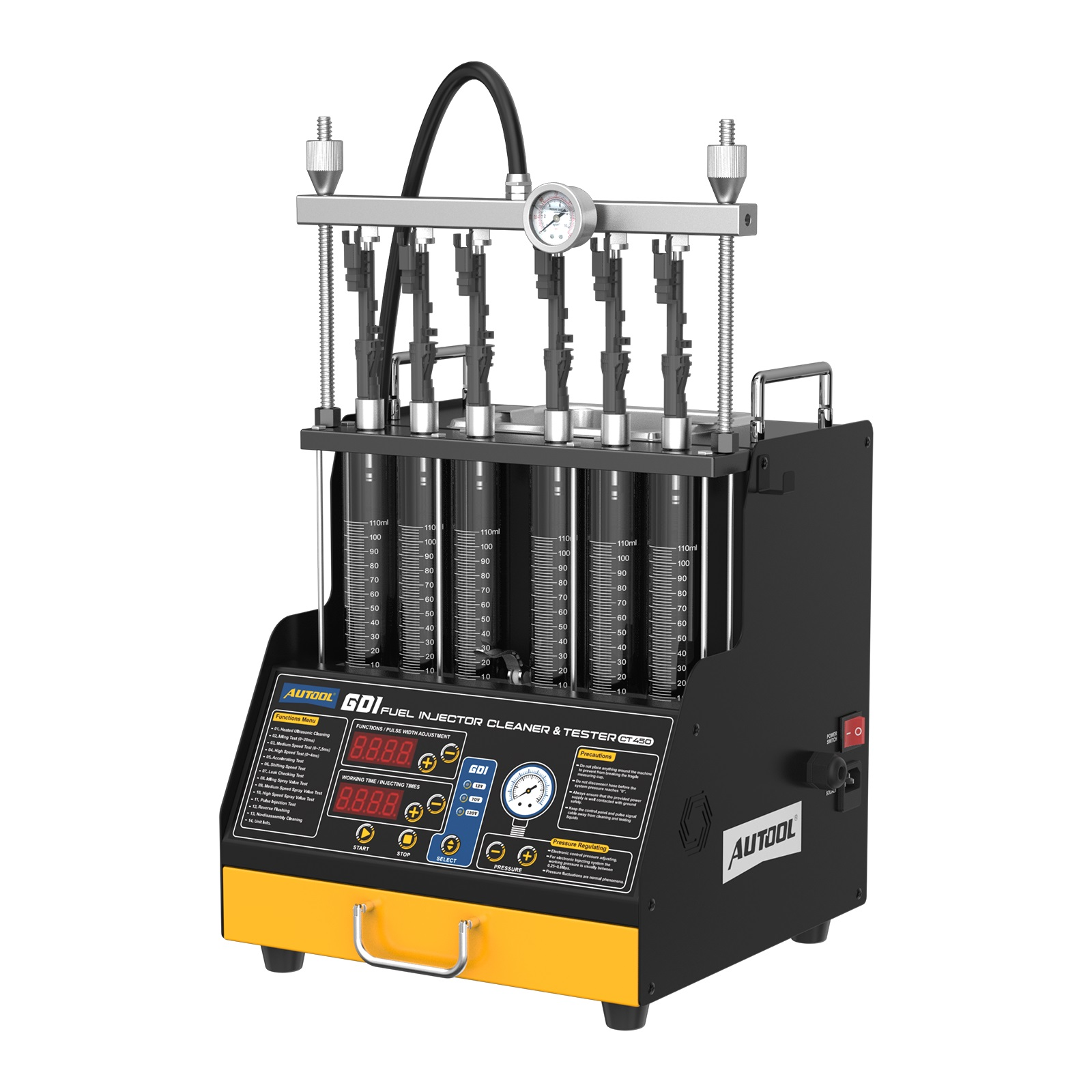
| يفعل AUTOOL CT200 و CT150 هل يدعم حاقنات GDI؟ | CT200 و CT150 لا يدعم اختبار حاقنات نظام الحقن المباشر للبنزين (GDI). إذا كنت قد اشتريت CT200 أو CT150 يُنصح بإقرانه مع CT60 لدعم وظيفة GDI. AUTOOL CT400 و CT500 ندعم حاليًا عمليات تنظيف واختبار أجهزة حقن الغاز المباشر (GDI). |
| هل يمكن اختبار منفذ حقن واحد فقط بينما تكون المنافذ الأخرى مطفأة؟ | نعم. الجهاز مزود بمقابس، لذا يمكن سد منافذ موزع الوقود الأخرى عند اختبار حاقن واحد. |
| ما هي أنواع حاقنات الوقود للدراجات النارية المدعومة؟ | AUTOOL تدعم آلات تنظيف الحاقنات حاقنات الدراجات النارية والقوارب الآلية من مختلف العلامات التجارية، وتشمل محولات حاقنات الدراجات النارية للتنظيف والاختبار. |
| هل يدعم خاصية التنظيف العكسي؟ | تدعم جميع أجهزة سلسلة CT خاصية التنظيف العكسي. قم بتركيب الحاقن بشكل عكسي للتنظيف المباشر. |
| ما هي أقصى سرعة اختبار؟ | يمكن ضبط السرعة القصوى على 9999 أو 7500 دورة في الدقيقة، وذلك حسب الطراز والوضع. ويمكنه محاكاة حالات حقن الوقود بسرعات منخفضة ومتوسطة وعالية. |
أن AUTOOL يمكن في كثير من الأحيان إصلاح أو استعادة جهاز تنظيف حاقنات الوقود بالموجات فوق الصوتية عن طريق فحص نوع السائل ومستواه، ومصدر الطاقة، والفيوز، وخط النبض، ومضخة الزيت، والحشيات، ومفتاح التصريف، وأسلاك اللوحة الأم، أو الملحقات المتوافقة. وهذا يوفر تكلفة استبدال الجهاز بالكامل دون داعٍ.
AUTOOL تُعدّ أجهزة تنظيف البخاخات أدوات صيانة فعّالة من حيث التكلفة، ويمكن معالجة العديد من مشاكل الصيانة من خلال استبدال القطع وتقديم الدعم الفني بعد البيع. خلال فترة الضمان التي تمتد لثلاث سنوات، يمكن معالجة الأعطال المؤهلة من خلال استبدال القطع مجانًا أو استبدال الجهاز بآخر جديد، وذلك حسب حالة الخدمة. حتى بعد انتهاء فترة الضمان، يُمكن للدعم الفني بعد البيع مساعدة المستخدمين في تحديد ما إذا كان العطل ناتجًا عن المضخة، أو المحول، أو الفيوز، أو اللوحة الأم، أو خط النبض، أو الحشية، أو لوحة التحكم، أو موزع الوقود.
لضمان موثوقية طويلة الأمد، استخدم السائل المناسب، وتجنب السوائل المسببة للتآكل، وأعد تدوير سائل الاختبار المخزن، وحدد المشكلة خطوة بخطوة قبل اتخاذ قرار استبدال الجهاز. إذا كان الجهاز لا يستطيع الرش، أو لا يمكن تشغيله، أو يُسرّب، أو لا يُصرّف السائل، أو يتوقف عن التنظيف بالموجات فوق الصوتية، أو يُظهر نتائج غير متسقة CT500 حجم الحقن، ابدأ بعزل الجزء الصغير الذي قد يكون به عطل. قد يكون استبدال المضخة، أو محول الطاقة، أو حشية مانعة للتسرب لأنبوب الزجاج، أو لوحة التحكم، أو اللوحة الأم للموجات فوق الصوتية، أو خط النبض، أو موصل متوافق كافياً لاستعادة العمل بشكل طبيعي.
عند التشخيص CT500 في حال وجود اختلافات في حقن الوقود، يُرجى اتباع منطق المقارنة الأصلي: قد يكون اختلاف بمقدار 2 مم طبيعيًا، ولكن في حال وجود اختلاف أكبر، يجب التحقق من ذلك عن طريق تبديل البخاخات وخطوط النبض ومواقعها. إذا استمر انخفاض كمية الوقود في البخاخين رقم 4 ورقم 6 بعد تبديل خطوط النبض، فقد يكون موزع الوقود هو المشكلة. إذا كان انخفاض كمية الرش مرتبطًا بالبخاخ أو خط النبض، فيجب فحص البخاخ أو خط النبض أو اللوحة الرئيسية ذات الصلة أولًا.
المنتجات ذات الصلة
يتم عرضها من خلال رمز WooCommerce المختصر للمنتج بحيث ترث البطاقات بنية بطاقة المنتج بنمط 67682.