Maintenance Checklist
Do you know when to change your engine oil? When should you inspect the spark plugs? Are you often unsure which parts actually need to be replaced during routine vehicle maintenance? Car maintenance follows a specific schedule. This checklist summarizes replacement cycles for oils, filters, spark plugs, brake pads, the battery, tires, and the timing belt, so you can create a practical maintenance plan based on your driving habits and vehicle condition.
Cycle 01

Oil maintenance cycle

1. Oil and Fluid Maintenance Cycle

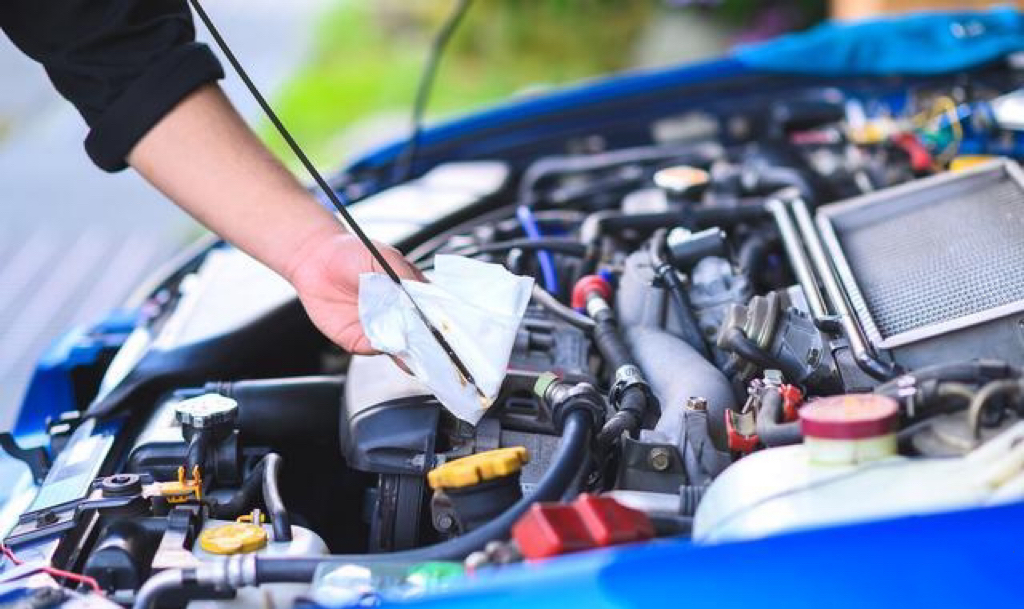
Engine oil

Engine oil is the heart of your car’s engine lubrication system. It lubricates the engine, helps cool it, and helps clean it. Failing to replace engine oil on time can lead to carbon buildup, excessive wear, and potentially severe engine damage.

  • Mineral oilEvery 5,000-7,000 kilometers, or every 6 months.
  • Semi-synthetic oilEvery 7,000-10,000 kilometers, or every 9 months.
  • Full-synthetic oilEvery 10,000-15,000 kilometers, or every 8-12 months.

If you drive under harsh conditions such as high temperatures, dusty environments, or frequent stop-and-go driving, shorten the oil change cycle.

Coolant / antifreeze

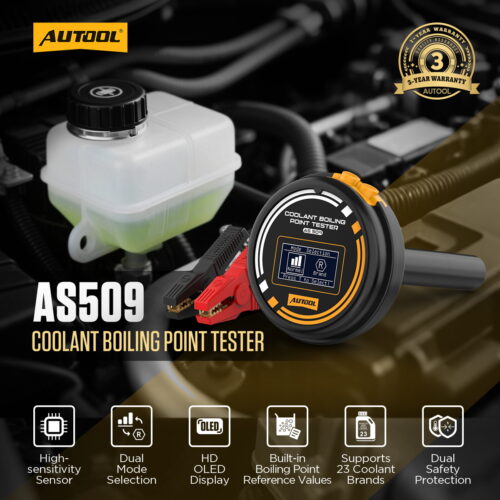
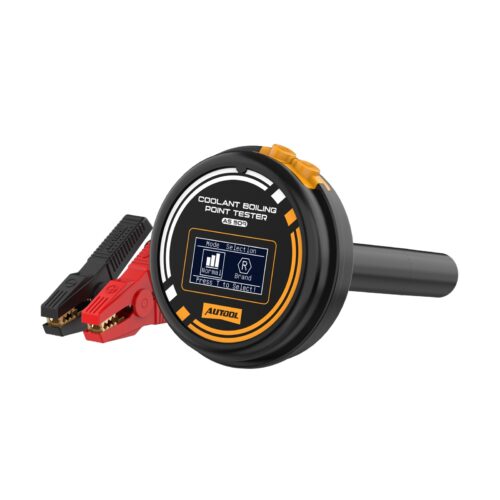
Coolant is crucial for regulating engine temperature and preventing overheating. Expired coolant can lead to engine overheating or cooling-system damage.

Replacement cycle: usually every 2 years or every 40,000 kilometers.

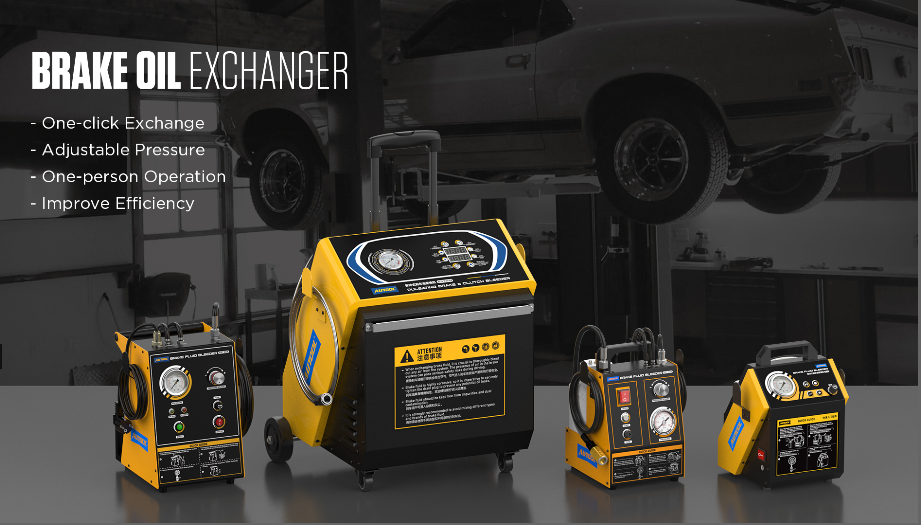
Brake fluid

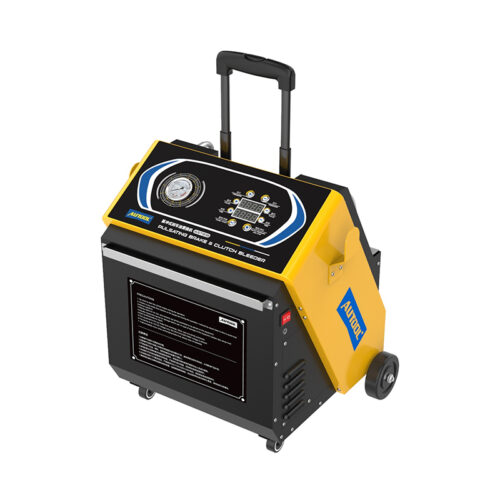
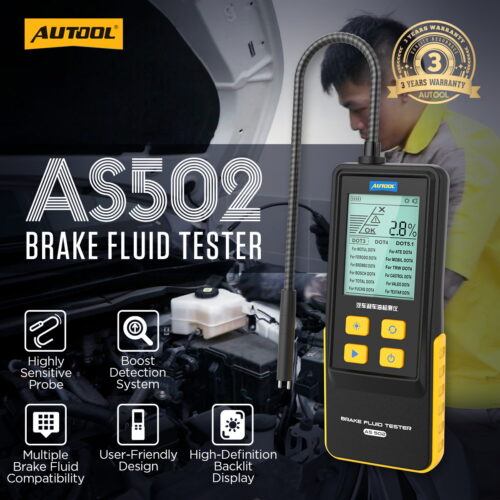
Brake fluid is essential for proper brake-system function. It is hygroscopic, meaning it absorbs moisture over time, which can reduce braking efficiency. When moisture content exceeds a certain threshold, brake fluid should be replaced.

Replacement cycle: every 2 years or every 40,000 kilometers. If braking performance is reduced, check and replace the fluid sooner.

Transmission fluid

Transmission fluid lubricates the gearbox, ensures smooth shifting, and extends the life of the transmission system. Failing to replace transmission fluid can lead to rough gear changes and transmission failure.

  • Manual transmissionEvery 100,000 kilometers or every 5 years.
  • Automatic transmissionEvery 60,000 kilometers or every 3 years.
Cycle 02

Component maintenance cycle

2. Component Maintenance Cycle

Oil filter

The oil filter keeps engine oil free from contaminants by filtering impurities. Replace the oil filter every time you change the engine oil.

Air filter

The air filter prevents dust and debris from entering the engine, ensuring that the engine receives clean air. A clogged air filter reduces engine efficiency, decreases power, and increases fuel consumption.

Replacement cycle: every 10,000 kilometers or once a year. If you often drive in dusty conditions, shorten the replacement interval.

Cabin air filter

The cabin air filter keeps the air inside the vehicle clean by filtering dust, pollen, and other harmful particles.

Replacement cycle: every 20,000 kilometers or once a year.

Fuel filter

The fuel filter removes impurities from the fuel, preventing clogs in the injectors and helping the fuel system operate properly.

  • In-tank fuel filterEvery 100,000 kilometers or every 5 years.
  • External fuel filterEvery 10,000 kilometers or once a year.

Spark plugs

Spark plugs ignite the air-fuel mixture in the combustion chamber. A faulty spark plug can cause engine misfire, reduced power, increased fuel consumption, and black smoke from the exhaust.

  • Standard spark plugs for fuel-injected enginesEvery 30,000 kilometers.
  • Platinum spark plugs for fuel-injected enginesEvery 60,000 kilometers.
  • Direct injection spark plugsEvery 20,000 kilometers.

Brake pads

Brake pads come into direct contact with brake discs, and their wear affects braking efficiency. There is no single fixed replacement interval; inspect brake pads regularly and replace them according to wear level.

  • Automatic transmission vehiclesEvery 20,000 kilometers.
  • Manual transmission vehiclesEvery 30,000 kilometers.

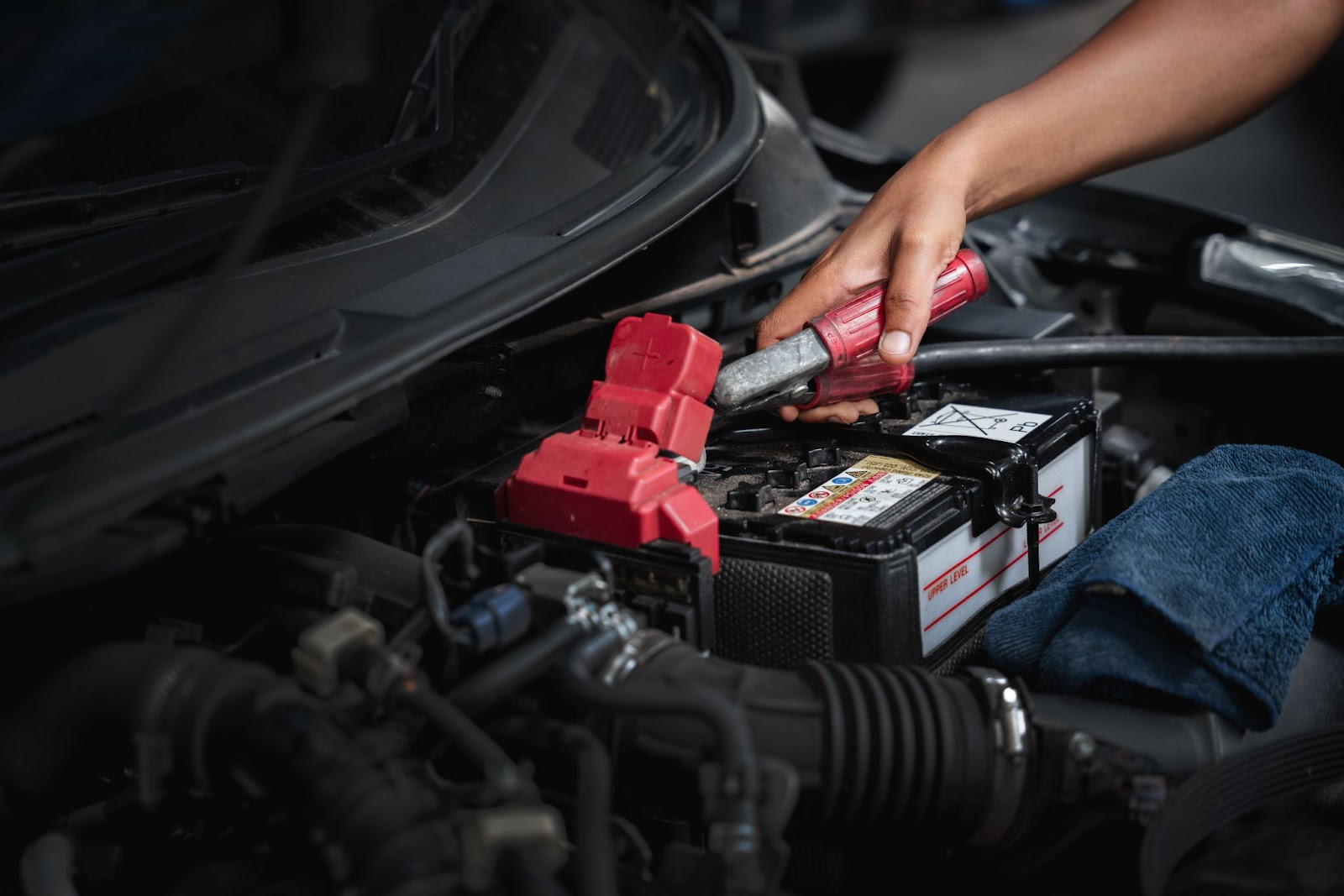
Car battery

The battery is essential for starting the car and powering electrical systems. If battery charge is insufficient, the car may fail to start or electrical system failures may occur.

Replacement cycle: check battery voltage and electrolyte level every 2 to 3 years. Typically, replace the battery every 3 years.

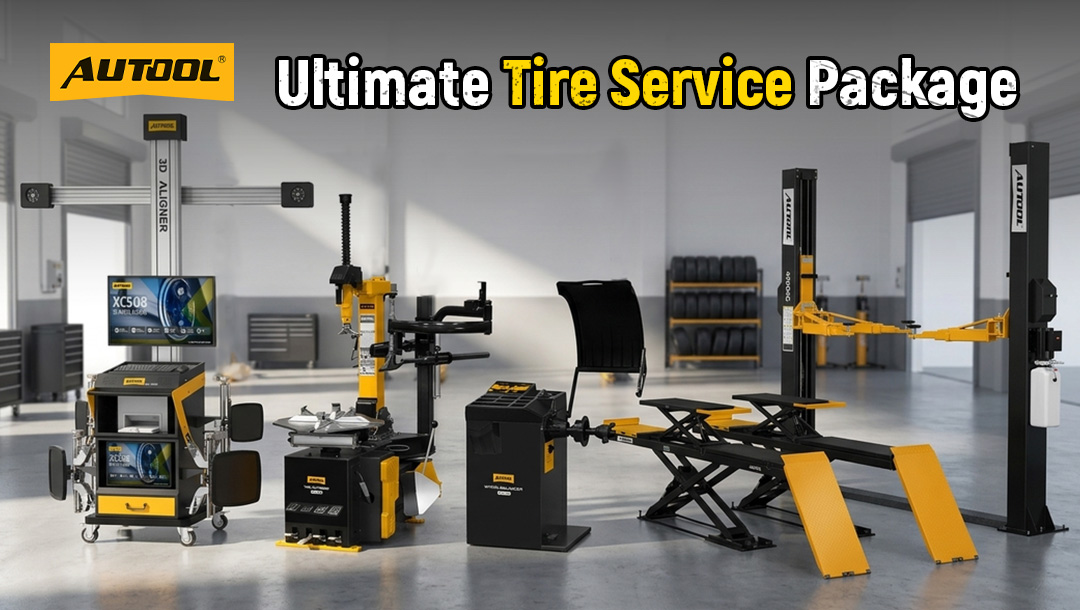
Tires

Tires are crucial for vehicle safety. If there are signs of bulging, sidewall damage, or excessive wear, replace them immediately.

Replacement cycle: every 20,000 kilometers. Check tire pressure and tread wear every 6 months to support driving safety.

Timing belt

The timing belt connects the camshaft and crankshaft, ensuring that the engine’s valves and pistons work in sync. Failure to replace the timing belt in time can result in catastrophic engine damage.

Replacement cycle: every 80,000 kilometers.

Planning

How to maintain your car according to a plan

3. Build a Maintenance Schedule Around Your Driving Habits

By understanding the maintenance intervals for different vehicle components, you can create a personalized maintenance schedule based on driving habits and vehicle condition.
  • Short-term maintenanceEvery 1-3 months / 5,000-8,000 kilometers. This includes oil and filter changes, brake-pad inspections, tire-pressure checks, and similar quick checks.
  • Mid-term maintenanceEvery 6 months / 10,000 kilometers. This includes air-filter replacement, brake-fluid checks, and brake-system inspections.
  • Long-term maintenanceEvery year / 20,000 kilometers. This involves coolant replacement, transmission-fluid change, spark-plug replacement, and battery checks.

By following a regular maintenance schedule, you can support your car’s safety and performance while extending its lifespan. This checklist is meant to help you take better care of your car and enjoy a safer, more comfortable driving experience.

Related Products

Rendered through WooCommerce product shortcode so the cards inherit the global product-card structure and Blocksy/WooCommerce styles.

Leave a Reply

Jūsu e-pasta adrese netiks publicēta. Obligātie lauki ir atzīmēti kā *