Nekategorizirano
Što trebam učiniti s naslagama ugljika u injektorima goriva?

6 ožujka, 2026
Udio:
 autoolstore.com
AUTOOL Vodič za injektore goriva
U modernim automobilskim motorima, injektori goriva odgovorni su za precizno atomiziranje i prskanje goriva u komoru za izgaranje, pomažući motoru da radi učinkovito.
Kako vozila skupljaju kilometražu, naslage ugljika mogu se stvarati unutar injektora i oko otvora mlaznica. Ako se ne tretiraju, te naslage izravno utječu na performanse motora i potrošnju goriva. Ovaj vodič objašnjava zašto se na injektorima goriva nakuplja ugljik i kako učinkovitije očistiti injektore goriva.
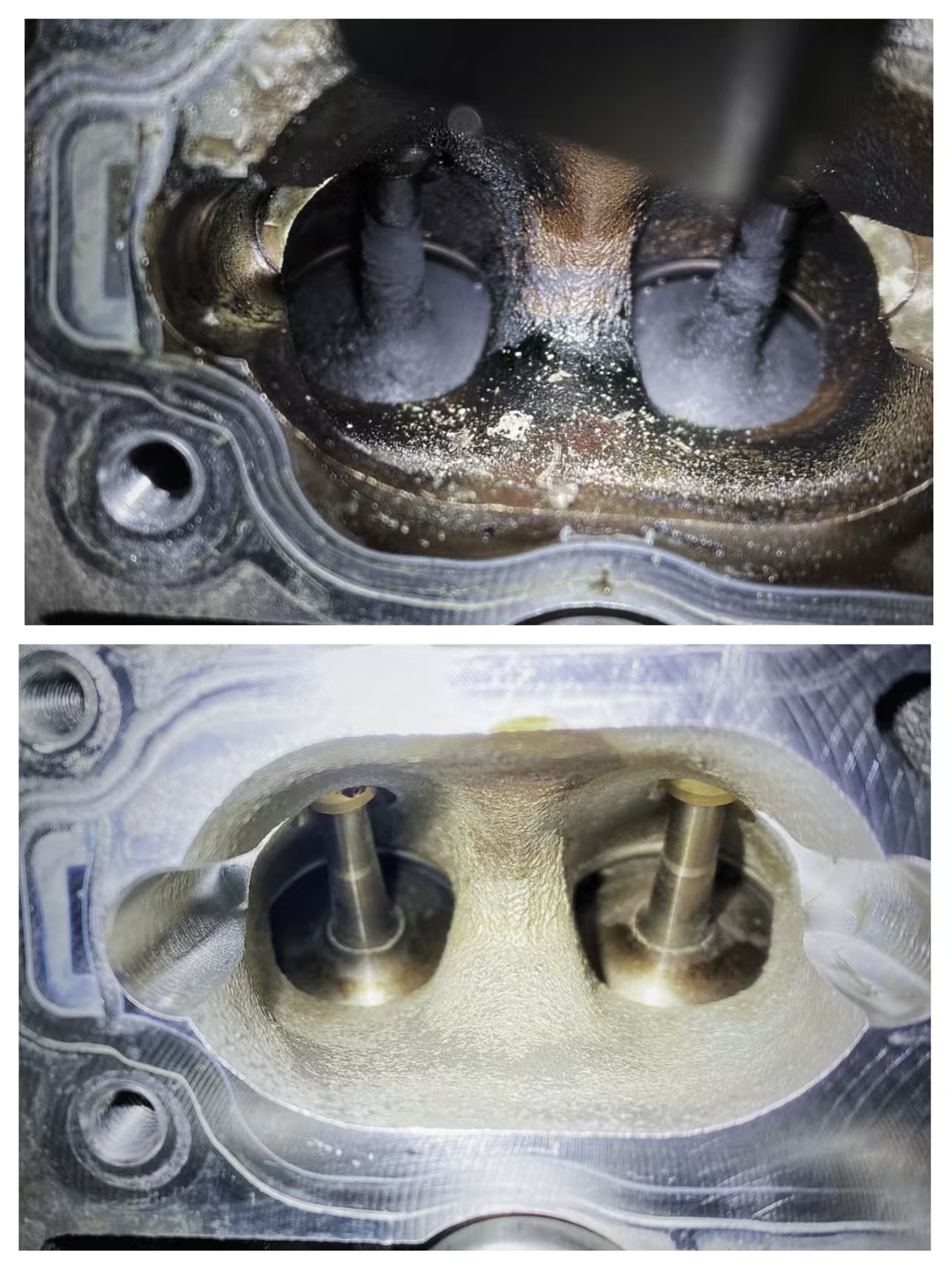
Naslage ugljika u injektorima goriva prvenstveno potječu od ostataka nastalih tijekom izgaranja goriva i nečistoća u samom gorivu. Tijekom vremena, te se tvari postupno lijepe za otvore mlaznice injektora i unutarnje prolaze, stvarajući naslage ugljika.
Neka goriva sadrže veće razine nečistoća ili aditiva koji lako stvaraju naslage nakon izgaranja.
Kada motor nije dosegao optimalnu radnu temperaturu, gorivo nepotpuno izgara i vjerojatnije je stvaranje ugljičnih naslaga.
Injektori koji se koriste dulje vrijeme skloniji su začepljenju ili nakupljanju naslaga.
Česta kretanja i zaustavljanja, promet s čestim zaustavljanjima i kretanjem te drugi nestabilni radni uvjeti povećavaju vjerojatnost nakupljanja ugljika.
Nakupljanje ugljika na injektorima goriva ugrožava preciznost ubrizgavanja goriva i učinkovitost raspršivanja. Nakon što raspršivanje postane neravnomjerno, kvaliteta izgaranja opada i vozilo može pokazivati nekoliko očitih simptoma.
Loša atomizacija smanjuje učinkovitost izgaranja, što rezultira većom potrošnjom goriva.
Neravnomjerna opskrba gorivom utječe na snagu motora i odziv vozila.
Velike naslage mogu uzrokovati abnormalno ubrizgavanje goriva, što rezultira vibracijama motora ili nestabilnim radom u praznom hodu.
Začepljeni injektori smanjuju performanse hladnog pokretanja i mogu otežati pokretanje vozila.
Ako se dugoročno ne liječi, nakupljanje ugljika u injektoru može dodatno skratiti vijek trajanja svjećica, lambda sondi, pa čak i katalitičkog pretvarača.
Uobičajene metode za uklanjanje naslaga ugljika iz injektora goriva uključuju aditive za gorivo, čišćenje bez rastavljanja i čišćenje rastavljanjem. Svaka metoda ima drugačiju dubinu čišćenja i prikladan slučaj upotrebe.
| Metoda | Kako funkcionira | Predloženi slučaj upotrebe |
|---|---|---|
| Korištenje aditiva za gorivo | Aditivi za gorivo donekle čiste sustav goriva dok je vozilo u pogonu. | Pogodnije za blage naslage ugljika jer je učinak čišćenja relativno ograničen. |
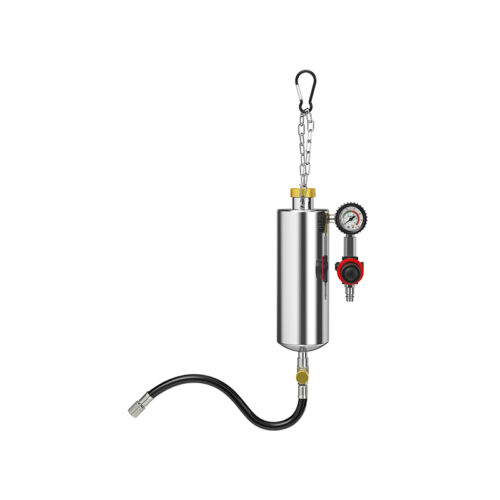
| Čišćenje bez rastavljanja | Specijalizirana oprema ubrizgava sredstva za čišćenje izravno u sustav goriva kako bi očistila injektore dok motor radi. | Korisno za rutinski servis, ali dubina čišćenja je i dalje ograničena. |
| Čišćenje nakon rastavljanja | Injektori se skidaju radi profesionalnog čišćenja i pregleda. | Najtemeljitija i najučinkovitija metoda kada je potrebno dublje uklanjanje ugljika i testiranje injektora. |
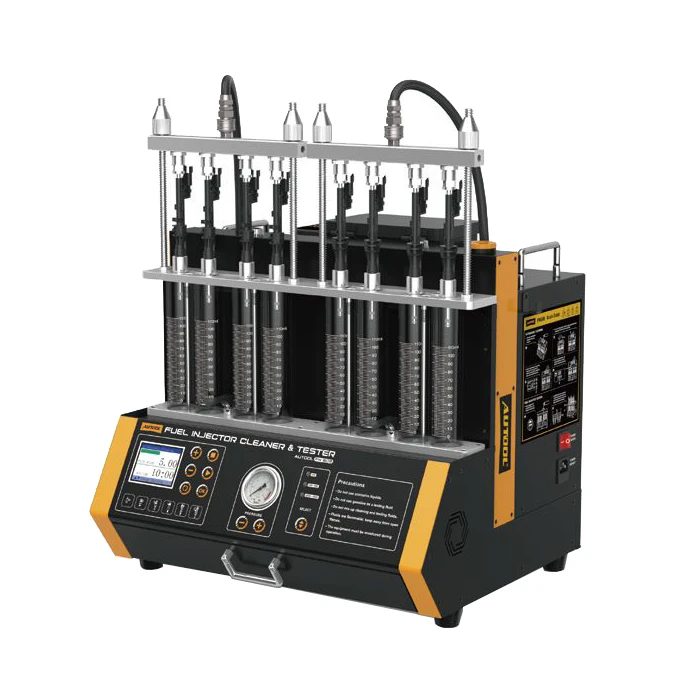
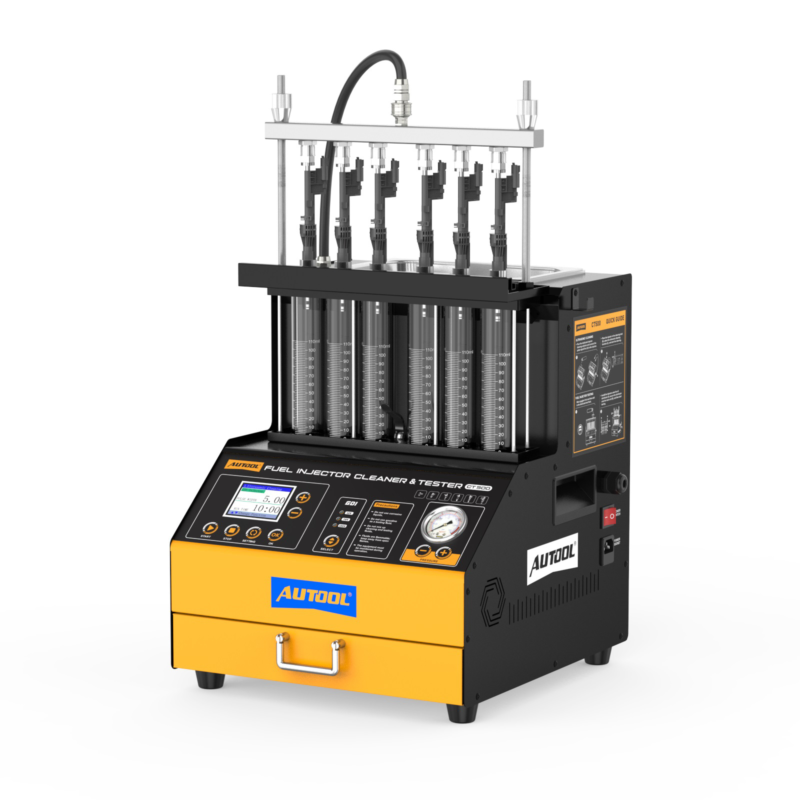
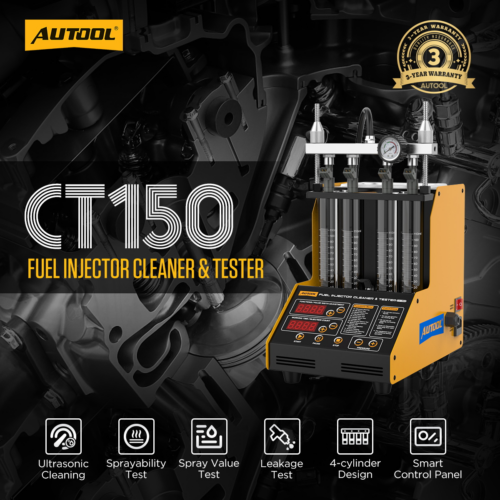
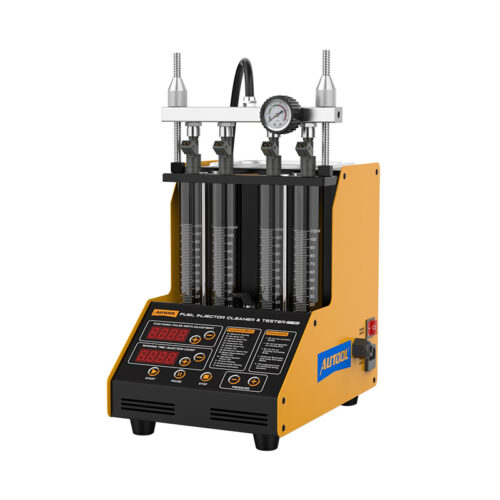
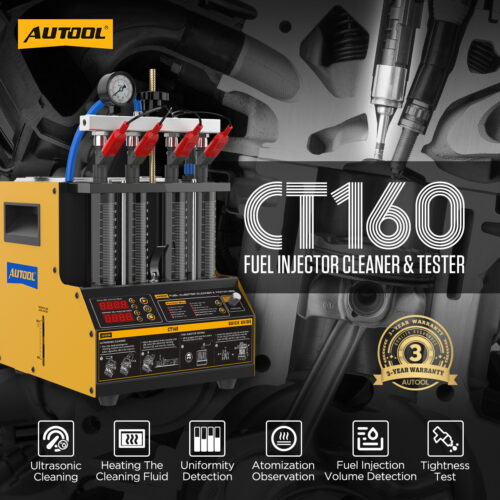
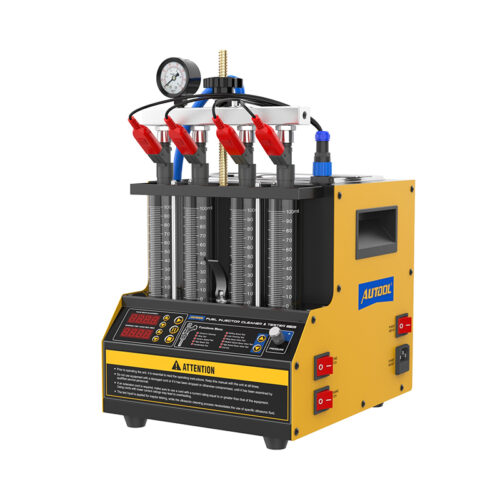
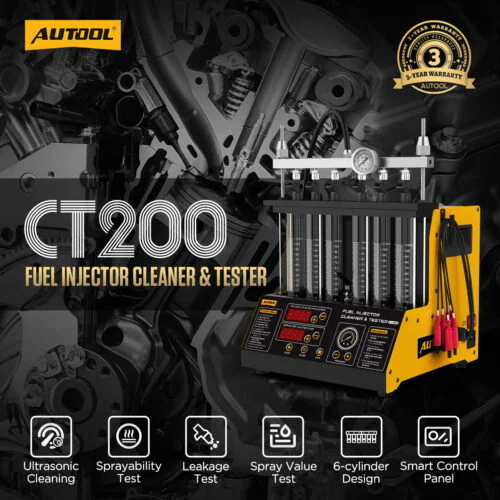
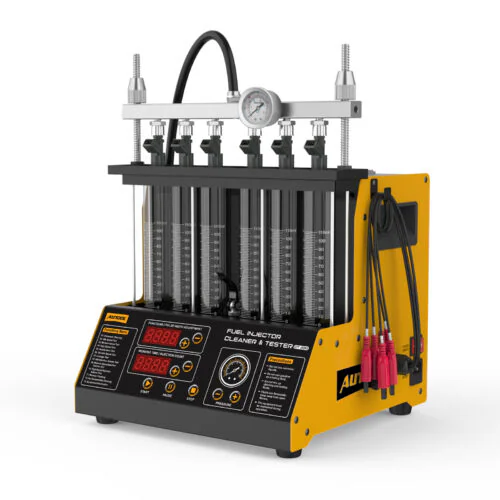
Za tehničare i automehaničarske radionice, korištenje profesionalne opreme za čišćenje i testiranje injektora goriva najpouzdanija je metoda za uklanjanje nakupljanja ugljika. AUTOOL Čistač injektora goriva kombinira ultrazvučno čišćenje s testiranjem ubrizgavanja kako bi učinkovito uklonio naslage ugljika unutar injektora.
Visokofrekventne ultrazvučne vibracije temeljito razgrađuju i uklanjaju tvrdokorne naslage ugljika unutar injektora.
Simulira radne uvjete motora kako bi se procijenio volumen isporučenog goriva, kvaliteta atomizacije i ujednačenost prskanja.
Omogućuje istovremeno testiranje više injektora, što značajno povećava učinkovitost popravka.
Podržava testiranje brtvljenja, testiranje ujednačenosti, testiranje uzorka prskanja i još mnogo toga, omogućujući tehničarima brzu procjenu stanja injektora.
Za automehaničarske radionice, učinkovit stroj za čišćenje injektora ne samo da povećava učinkovitost popravka, već i pruža profesionalniju i pouzdaniju uslugu kupcima.
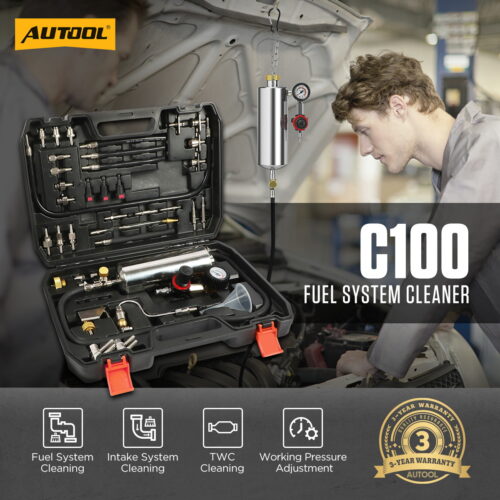
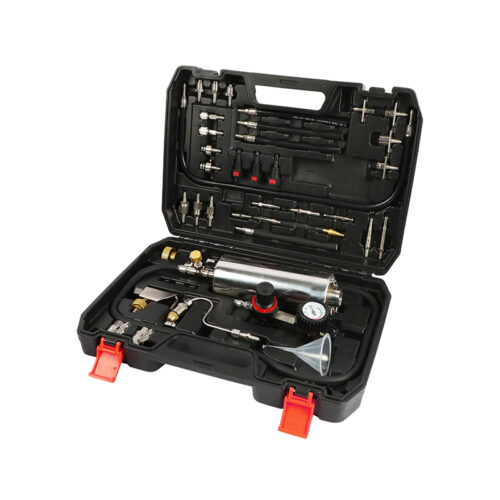
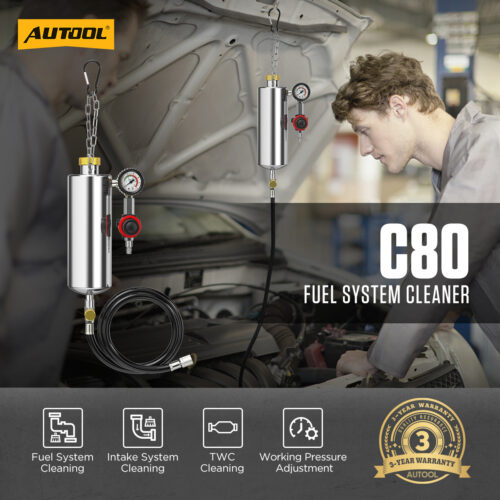
Nakupljanje ugljika u injektorima goriva čest je problem u vozilima tijekom dugotrajne upotrebe. Ako se ne riješi, može dovesti do povećane potrošnje goriva, smanjene snage i nestabilnog rada motora.
Redovito čišćenje injektora goriva pomaže u održavanju optimalnih performansi motora. U usporedbi s jednostavnim metodama čišćenja na bazi aditiva, profesionalna oprema za čišćenje injektora nudi temeljitije uklanjanje ugljika, a istovremeno testira performanse injektora.
Za tehničare i automehaničarske radionice, AUTOOL Stroj za čišćenje injektora praktičan je izbor za poboljšanje učinkovitosti popravka i kvalitete usluge.
Povezani proizvodi