AUTOOL Blogi, Remonditeave
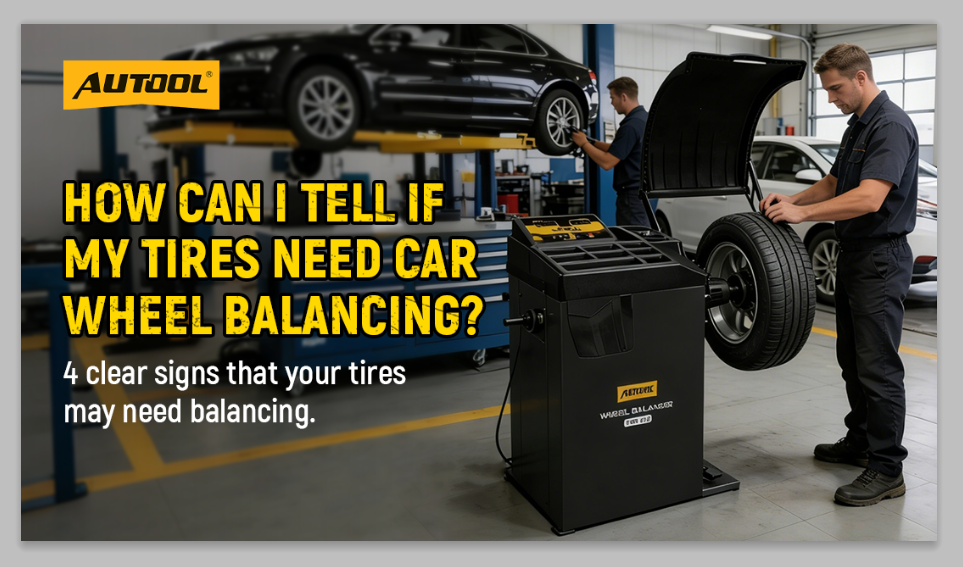
Kuidas ma saan aru, kas mu rehvid vajavad auto rataste tasakaalustamist?

märts 22, 2026
Jaga:
 autoolstore.com
Ratta tasakaalustamise kontroll
Kas tunned sõidu ajal sageli, et rool on ebastabiilne või autokere vibreerib? Kas teemüra muutub maanteekiirusel valjemaks või oled märganud ebaühtlast rehvide kulumist?
Paljud autojuhid kahtlustavad esmalt rehvi purunemist või vedrustuse probleemi. Siiski jätavad nad sageli tähelepanuta olulise teguri: auto rataste tasakaalustamise. Kuigi see võib tunduda väikese probleemina, mõjutab rataste tasakaalustamine otseselt sõiduohutust, mugavust ja rehvide eluiga.
See juhend annab ülevaate praktilistest märkidest, mis viitavad sellele, et teie sõiduk võib vajada rataste tasakaalustamist, millal otsida lähedalt rehvide tasakaalustamise teenust ja miks on oluline korralik rehvide tasakaalustamise seade.
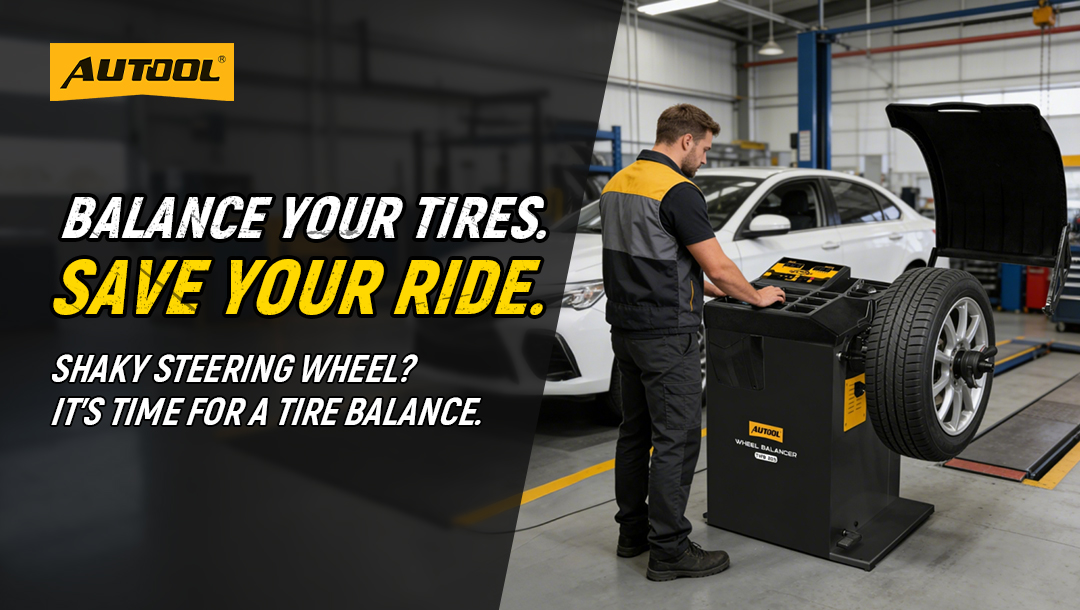
Lihtsamalt öeldes pole ükski rehv täiesti ühtlane. Isegi täiesti uutel rehvidel võib olla kummi jaotuse ja velje tootmistolerantside tõttu väikeseid kaaluerinevusi.
Ratta tasakaalustamisel kasutatakse professionaalseid rehvide tasakaalustamisseadmeid, et tuvastada kaalu tasakaalustamatust. Seejärel lisavad tehnikud rattale väikesed raskused, et see pöörleks ühtlaselt ja sujuvalt.
Kui kaal on ebaühtlane, tekitab rehv suurel kiirusel vibratsiooni. See vibratsioon kandub üle roolile ja sõiduki kerele, põhjustades mitmeid sõiduprobleeme.
See on kõige tavalisem märk. Kui rool väriseb umbes 50–75 mph (80–120 km/h) juures pidevalt ja värin kiiruse kasvades süveneb, vajavad esirattad tõenäoliselt tasakaalustamist.
Kui vibratsioon tekib madalatel kiirustel, on selle põhjuseks pigem katkine rehv, kõver ratas või vedrustuse probleem, mitte rataste tasakaalustamine.
Istmes või põrandas võib tunda kerget värisemist, eriti suurel kiirusel. Müra võib muutuda valjemaks ja seejärel aeglustamisel vaibuda.
See viitab tavaliselt tagaratta tasakaalustamatusele ja seda tuleks kontrollida enne, kui vibratsioon tugevamaks muutub.
Kui märkate, et üks külg kulub kiiremini või näete sulgjaid või lainelisi mustreid ning rehvirõhk ja joondus on normaalsed, võib põhjuseks olla rataste tasakaalustamatus.
Ebaühtlane pöörlemine tekitab ebaühtlase jõu, mis kiirendab rehvide kulumist aja jooksul.
Kui olete hiljuti rehvid või veljed vahetanud, rehvi parandanud, äärekivile või auku sõitnud või sõitnud üle 6000–10 000 miili, peaksite oma auto rataste tasakaalustamist kohe kontrollima.
Isegi samade spetsifikatsioonide korral võivad siiski esineda väikesed kaaluerinevused ja tasakaalustusraskused võivad aja jooksul maha kukkuda.
Isegi kui te pole veel vibratsiooni märganud, peaksite pärast neid olukordi siiski kaaluma lähima rehvide tasakaalustamise teenuse külastamist, et vältida tulevasi probleeme.
Mitte tingimata. Kui vibratsioon tekib madalal kiirusel, on tõenäolisemalt tegemist joonduse või vedrustuse probleemiga. Suurel kiirusel esinev vibratsioon on tugevam märk sellest, et rataste tasakaalu tuleks kontrollida.
Ei. Vale rehvirõhk või halb joondus võivad põhjustada sarnaseid kulumismustreid. Rataste tasakaalustamist tuleks hinnata koos rehvirõhu, joonduse seisukorra, sõidukiiruse, vibratsiooni asukoha ja hiljutise rehvitöödega.
Mõned juhid võivad arvata, et „Vibratsioon on väike ja seda võib ignoreerida.“ Auto rataste tasakaalustamise ajapikku unarusse jätmine võib aga kaasa tuua kolm varjatud riski.
Rataste tasakaalustamatus kiirendab rehvide kulumist ja lühendab rehvide eluiga, mis võib sundida teid rehve oodatust palju varem välja vahetama.
Pidev vibratsioon avaldab vedrustussüsteemile lisakoormust. Komponendid võivad kiiremini lahti tulla või kuluda, mis suurendab remondikulusid.
Suurel kiirusel vähendab vibratsioon sõiduki stabiilsust ja võib suurendada kontrolli kaotamise ohtu järsu pidurdamise ajal.
Kokkuvõttes pöörake tähelepanu suurel kiirusel tekkivale vibratsioonile, ebaühtlasele kulumisele ja hiljutistele rehvitöödele. Kui märkate mõnda neist, peaksite oma rattad professionaalse rehvide tasakaalustusseadmega üle kontrollima.
Kuigi see tundub väike asi, mängib rataste tasakaalustamine olulist rolli sõidumugavuse, ohutuse ja rehvide eluea tagamisel.
Kui soovite rohkem teada saada rataste tasakaalustamisest või osta autoremondivahendeid, võtke ühendust AUTOOL lisateabe ja allahindluste saamiseks.
Seotud tooted
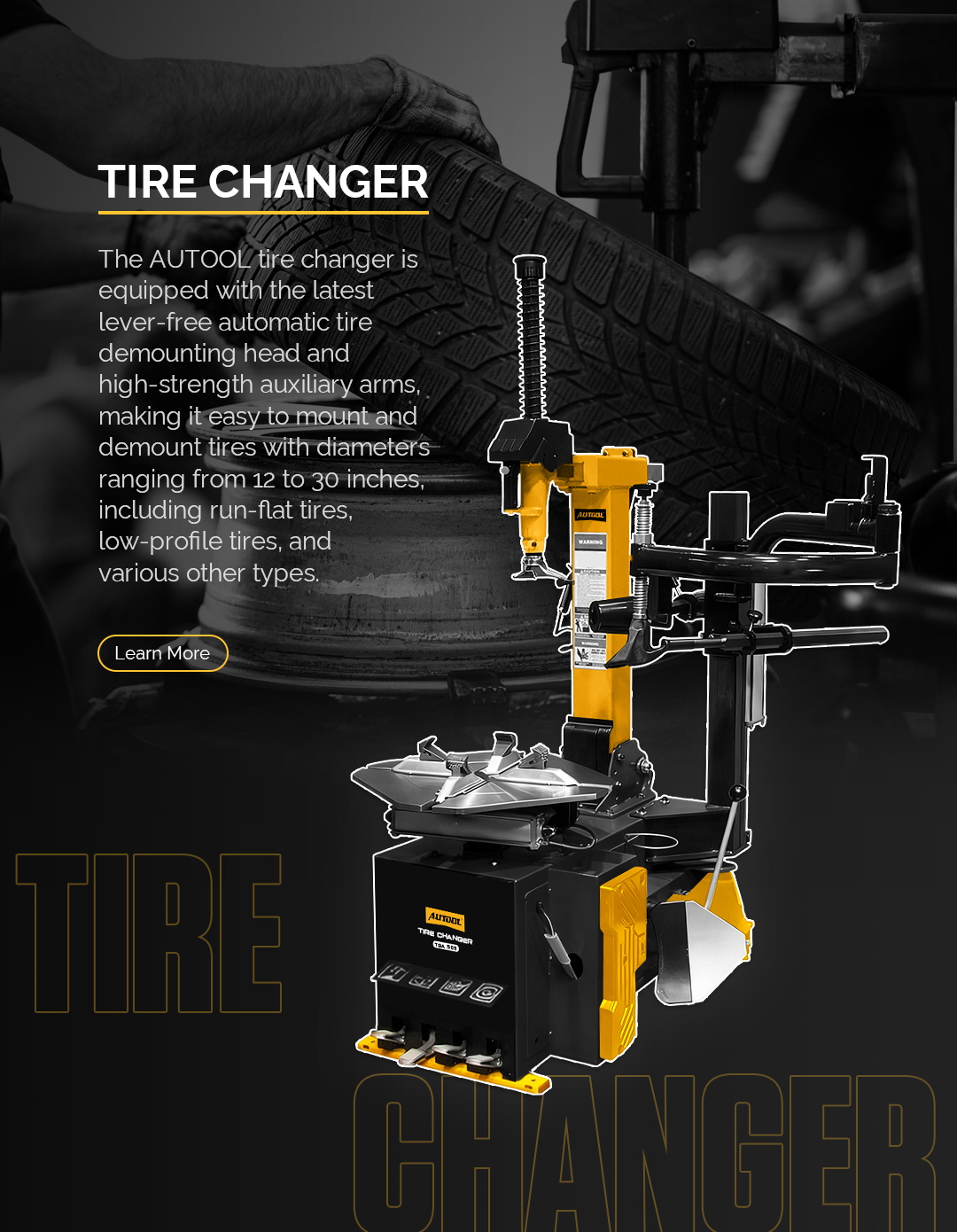
Need seotud tooted keskenduvad rehvide vahetamisele, rataste tasakaalustamisele ja töökoja rehvihooldusseadmetele.