Tooteesitlus, Kategooriata
Rehvide vahetaja 101 Masina taga oleva mehhanismi mõistmine

veebruar 10, 2026
Jaga:
 autoolstore.com
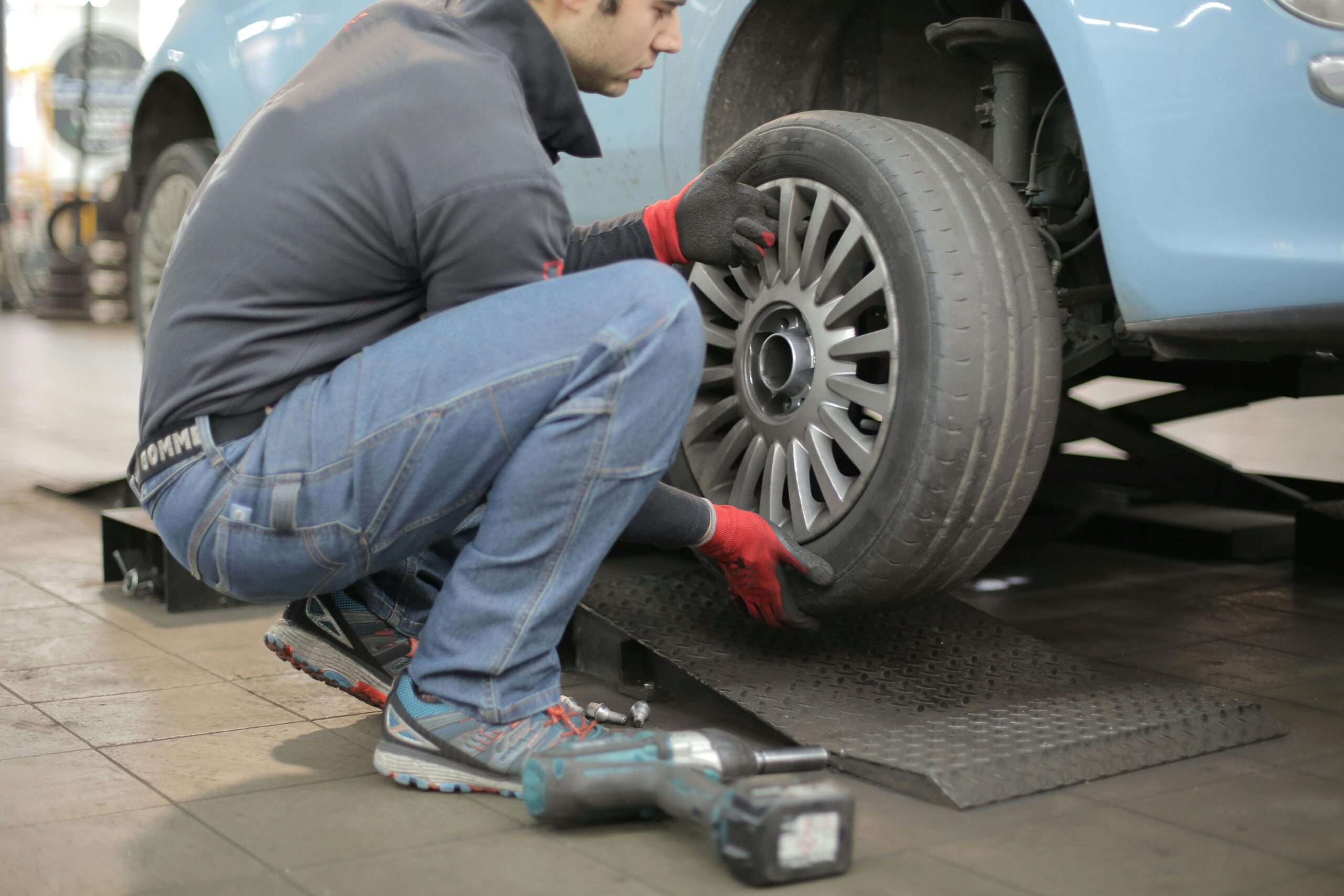
Rehvivahetaja muudab mehaanilise, hüdraulilise ja pneumaatilise jõu kontrollitud rehvieemalduseks
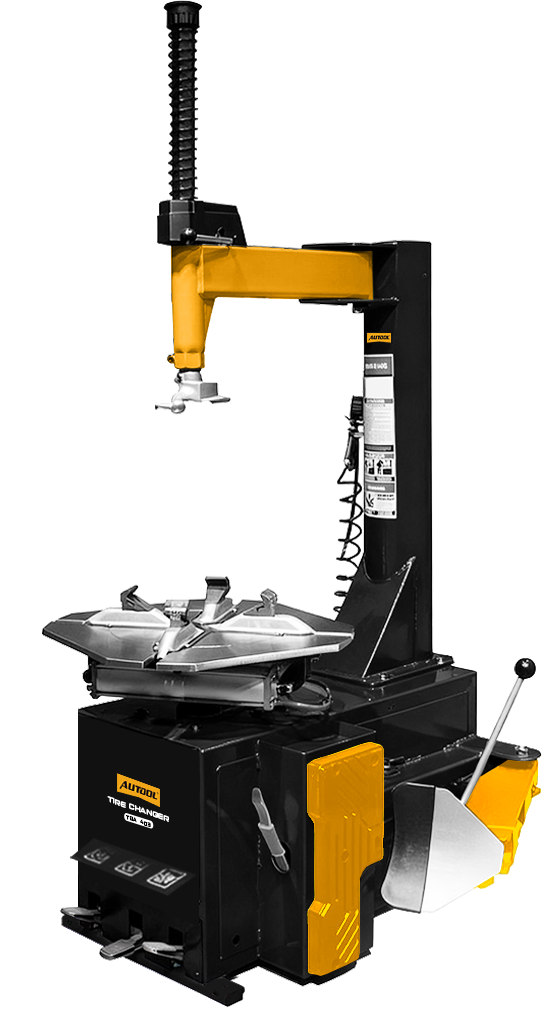
Rehvivahetusmasina ülesanne on rehvide eemaldamine ja paigaldamine. See koosneb peamiselt raamist, surveplaadist, survesilindrist, tugisilindrist, liikurkärust ja hüdrosüsteemist.
Kesksilindri mõlemal küljel on kaks teineteisega paralleelset abisilindrit. Surveplaat ühendub kesksilindriga risti, samas kui kaks abisilindrit on ühendunud konksu liuguriga risti. Konksu liugur sisaldab konksu rööpaid. Hüdraulikasüsteem juhib surveplaadi ja konksu liuguri vahelist koostoimet, et rehvi eemaldamise toiming lõpule viia.
Rehvivahetuspink on tõhus, kohandatav ja õigesti kasutades loodud rehvikahjustuste vältimiseks eemaldamise ajal. See sobib metallurgia-, keemia-, söekaevandus- ja veemajandustööstusele suurte sõidukirehvide ja -velgede eemaldamiseks, samas kui autoversioonid on levinud rehvitöökodades ja remonditöökodades.
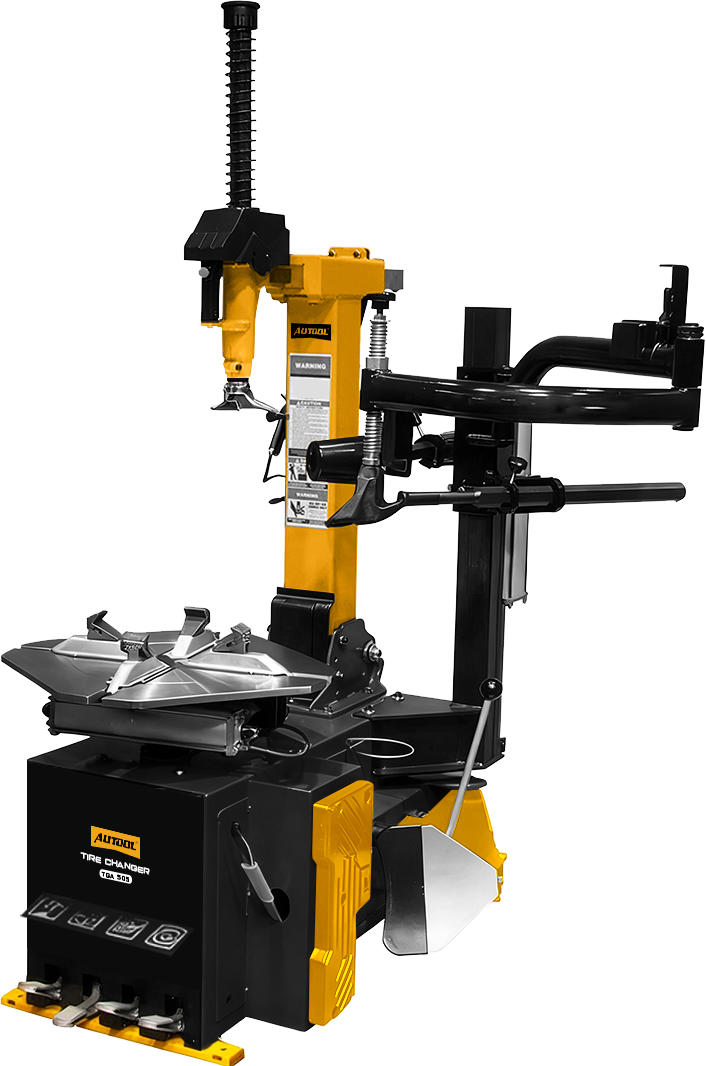
Enne mudelite võrdlemist tutvuge peamiste komponentidega
| Komponent | Funktsioon |
|---|---|
| Peamine töölaud | Asetab ja pöörab rehve eemaldamiseks ja paigaldamiseks. |
| Rehvide eraldusvars | Eraldab rehvi veljest, muutes selle eemaldamise lihtsamaks. |
| Täitmis-/tühjendusseade | Laseb rehvist õhku välja, et hõlbustada pumbamist või eemaldamist, ning sisaldab rehvirõhumõõturit. Tüüpiliste rehvide rõhk on umbes 2,2 atmosfääri ehk ligikaudu 0,2 MPa. |
| Jalapedaalid | Allosas asuvad kolm pedaalilülitit. Need juhivad päripäeva/vastupäeva pöörlemist, klambri vabastamist ja velje/rehvi eraldamist. |
| Määrdeaine | Aitab rehvide eemaldamisel ja paigaldamisel, vähendab kahjustusi ja muudab protsessi sujuvamaks. |
| Suruõhu sisselaskeava | Varustab pneumaatilist süsteemi, mis käivitab kinnituse, randi murdmise ja muud abistavad toimingud. |
Erinevad rehvivahetusmasinad sobivad erinevatele toitesüsteemidele ja teeninduseesmärkidele
Võimsuse tüübi järgi saab rehvivahetuspinke jagada pneumaatilisteks ja hüdraulilisteks rehvivahetuspinkideks.
Kasutusotstarbe järgi saab neid jagada mootorratta rehvivahetusmasinateks, ehitussõidukite rehvivahetusmasinateks, sõiduautode rehvivahetusmasinateks ja veoautode rehvivahetusmasinateks.
Varjatud struktuur määrab pikaajalise ohutuse ja vastupidavuse
| Kontrollpunkt | Mida kontrollida |
|---|---|
| Eluaseme struktuur | Korpuse konstruktsioon mõjutab jõudlust ja ohutust. Kui terasplaat on liiga õhuke või sisemine toestus on ebamõistlik, võib rehvivahetuspink deformeeruda või rikki minna. Standardsel korpusel peaksid olema toestused nii ülemisel kui ka alumisel küljel ning kaal võib olla lihtne kvaliteedinäitaja. |
| Mootor | Mootori võimsus on üldiselt üle 1000 W (380 V). Umbes 800 W mootorid võivad küll kulusid vähendada, kuid on sageli vähem stabiilsed. Kontrollige nimivõimsust, müra, vibratsiooni ja seda, kas kasutatakse vasega kaetud juhet. |
| Käigukast | Käigukast edastab jõudu ning peaks olema madala müratasemega, hea tasakaaluga ja väikese vahega. Halva kvaliteediga kõvasulamist valuveljed võivad olla lärmakad, logisevad ja kriimustada tõenäolisemalt velgi või rehve. |
| Suur õhusilinder | Valige ülitugevast alumiiniumist õhuballoon. Suured tootjad kasutavad sageli balloone siseläbimõõduga 186 või 200 mm ja tugiklambrite vahekaugusega 70–90 mm. Kvaliteetne ballooner talub rehvi kraapimise rõhku umbes 2500 kg ja kiirkinnitusventiil võib suurendada rehvi kraapimise kiirust. |
| Gaasijaotusventiil | Eelistatakse alumiiniumist või ülitugevast nailonist tooteid. Ühenduses peaks olema lukustatav ühendus, mis lukustab gaasitoru ja vähendab toru lõhkemise, lekke ja lühikese kasutusea ohtu. |
| Väike silinder | Sisemine kolb peaks olema valmistatud ülitugevast ja kulumiskindlast alumiiniumist. Plastist või nailonist kolvid võivad oluliselt mõjutada kasutusiga ning ka nendega seotud ventiilid peaksid kasutama lukustusstruktuuriga liigeseid. |
| Rattarummu paigaldamine ja eemaldamine | Kumer disain on eelistatavam, kuna see on aastatepikkuse kasutamise järel vähem altid deformatsioonile, toetab rehvide sujuvat paigaldamist ja eemaldamist ning kaitseb velgi, rehve ja rummu kahjustuste eest. |
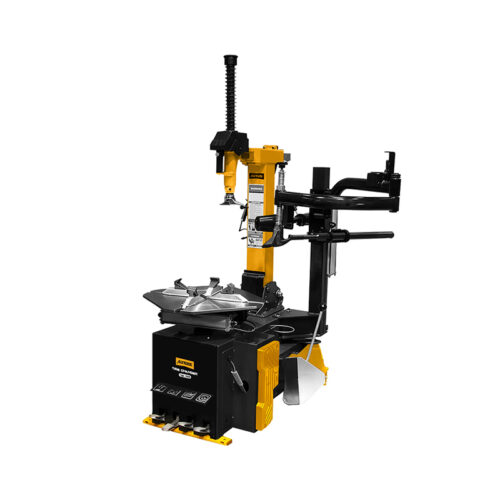
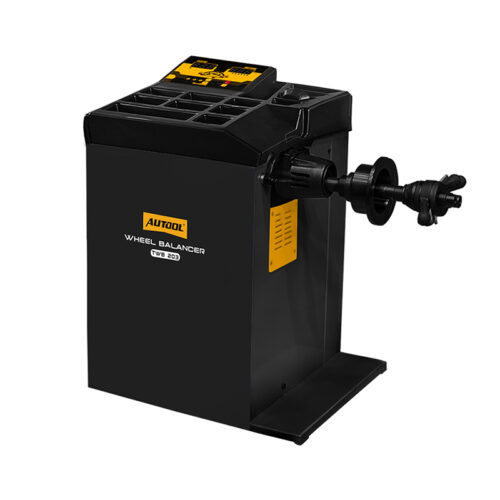
Rehvivahetusseadmed
Need kaardid kasutavad WooCommerce'i lühikoode, seega järgib toote väljund sama globaalset kaardistruktuuri, mida kasutab referentspaigutus.
Levinud ostu- ja kasutusküsimused
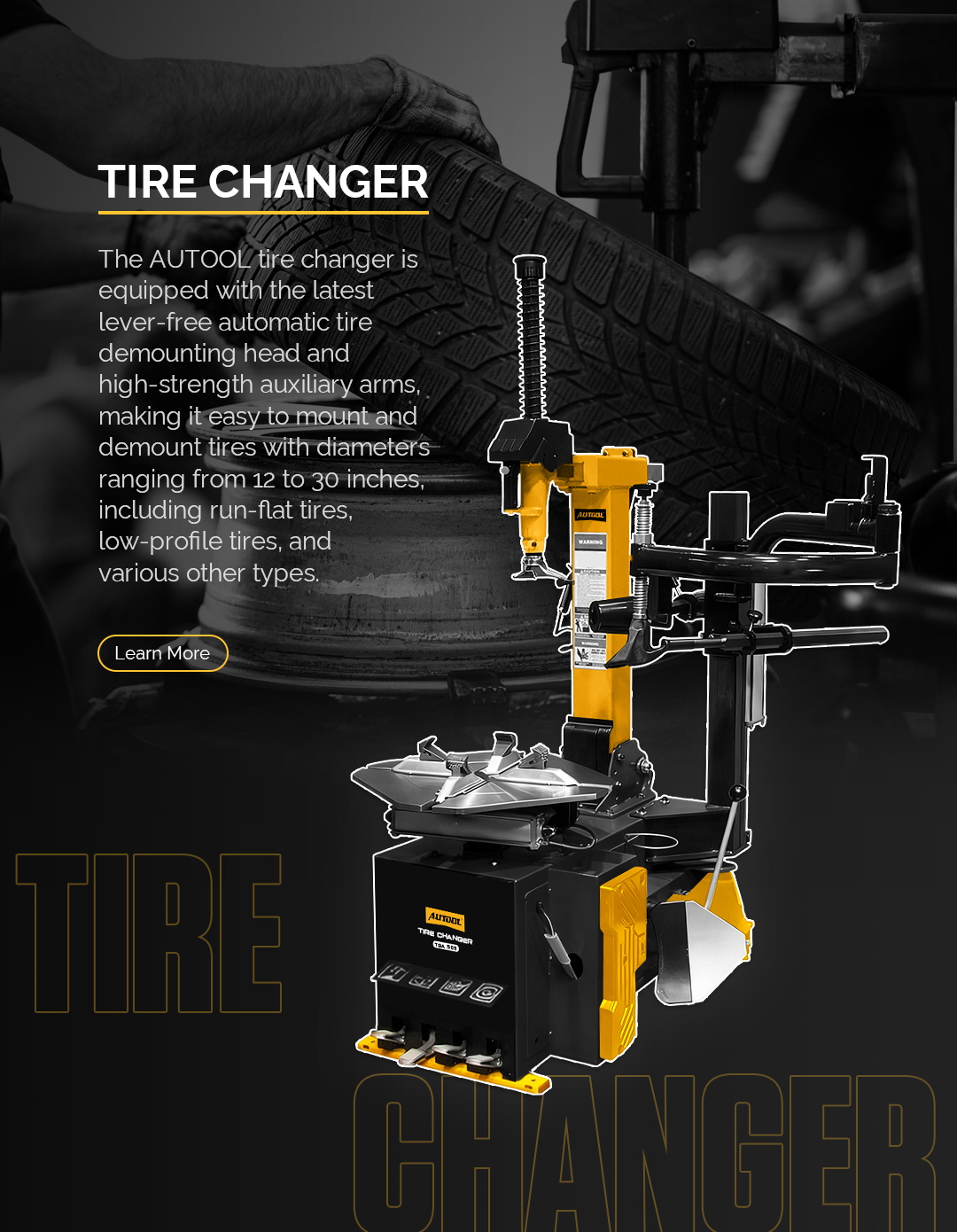
Parima rehvivahetusmasina tüüp sõltub töökoormusest ja hooldatavate velgede tüübist. Pöördõlaga rehvivahetusmasin on kulutõhus valik väikestele töökodadele ja üldisele rehviteenindusele. Tagasi kallutatavad rehvivahetusmasinaid on rohkem tööruumi ja neid on suuremate velgede käsitsemisel lihtsam käsitseda. Suuremahuliste töökodade või madala profiiliga ja tühjade rehvidega sõidukite jaoks pakuvad kangivabad või kontaktivabad rehvivahetusmasinaid kõige ohutum ja tõhusam lahendus, kuna need minimeerivad velgede kahjustamise ohtu.
Mõelge suurimale ratta läbimõõdule, mida kavatsete hooldada. 24-tollise kinnitusvahemikuga masin sobib tavaliselt kuni umbes 22-tollistele ratastele. Paljud tänapäevased sõidukid kasutavad aga suuremaid rattaid, seega valivad töökojad sageli rehvivahetusmasinaid, millel on 26–28-tolline kinnitusvõime, et tagada parem ühilduvus maasturite, veoautode ja sportautodega.
Rattakahjustused tekivad tavaliselt ebaõigete tööriistade või tehnikate kasutamisel. Velgede kaitsmiseks peaksid tehnikud kasutama plastmassist haaratsikaitseid, kinnituspea sisestusi ning määrima rehvi randi ja velje korralikult. Kaasaegsed rehvivahetusmasinad abihoobade ja veljekaitsekomponentidega aitavad samuti vähendada kriimustuste ohtu, eriti valuvelgede või värvitud velgedega töötamisel.
Abihoob aitab jäikade külgseinte ja madala profiiliga rehvidega toime tulla. Võimas rehviäärise eemaldaja lihtsustab rehviäärise eraldamist veljest, eriti vanemate rehvide puhul. Kiiremate töökodade puhul võib kiirem pöördelaud parandada ka tootlikkust, vähendades iga rehvivahetuse jaoks kuluvat aega.
Regulaarne hooldus aitab rehvivahetusmasinat ohutult ja usaldusväärselt töökorras hoida. Tehnikud peaksid õhufiltrist ja regulaatorist niiskuse eemaldama, liikuvaid osi määrima ning pneumaatilisi või hüdraulikasüsteeme lekete suhtes kontrollima. Masina puhtana hoidmine ja kaitsekomponentide, näiteks klambrite ja plastkaitsete kontrollimine pikendab ka seadme kasutusiga.
Töötamise ajal kandke alati kaitseprille ja kaitsevarustust. Ärge kunagi kummarduge rehvi täitmise ajal selle kohale. Enne paigaldamist kontrollige velge ja rehvi kahjustuste suhtes. Määrige rehvi randti ja velge korralikult, et vähendada paigaldustakistust, ja järgige tootja soovitatud õhurõhu piirnorme.
Lisateabe saamiseks ja 20% allahindluse saamiseks võtke meiega ühendust.
WhatsApp: +86 189 2647 7404
E-post: [email protected]
Seotud tooted
Renderdatud WooCommerce'i toote lühikoodi kaudu, nii et kaardid pärivad globaalse tootekaardi struktuuri ja Blocksy/WooCommerce'i stiilid.