Remonditeave
Kuidas lihtne jahutusvedeliku leke võib teie turbolaaduri rikkuda

juuni 20, 2025
Jaga:
 autoolstore.com
Turboülelaadur parandab mootori jõudlust, suurendades põlemiskambrisse siseneva õhu hulka, mis aitab suurendada võimsust ja pöördemomenti. Turboülelaadimisega saab mootori maksimaalset võimsust suurendada 40% või rohkem, võimaldades sama töömahuga mootoril saavutada oluliselt suuremat jõudlust. Lisaks võimsuse kasvule aitavad turboülelaadurid parandada ka kütusekulu ja vähendada heitgaase.
Probleem on kuumus. Turboülelaadurid töötavad äärmiselt kuumas keskkonnas, seega sõltuvad paljud tänapäevased turboülelaadurid laagrite ümbruse temperatuuri reguleerimiseks mootoriõlist ja jahutusvedelikust. Kui jahutussüsteem jahutusvedeliku lekke või halva ringluse tõttu rikki läheb, ei saa soojust tõhusalt eemaldada ning turboülelaadur võib üle kuumeneda, kuumeneda, põletada sisemisi laagreid, tekitada korpusele pragusid ja oluliselt kahjustada mootori jõudlust.
"Väike leke täna võib sulle homme varanduse maksma minna." Jahutusvedeliku lekke parandamine on varakult avastatuna sageli lihtne, kuid selle eiramine võib põhjustada ulatuslikke mootorikahjustusi ja kulukaid remonditöid. Jahutussüsteemi kontrolli all hoidmine kaitseb nii turbolaadurit kui ka mootorit.
Turboülelaadurid on heitgaaside poolt käitatavad kiired komponendid, mille töötemperatuur võib ulatuda äärmiselt kõrgele, sageli üle 900 °C. Kuumusest tingitud kahjustuste vältimiseks on paljud tänapäevased turboülelaadurid lisaks mootoriõlile varustatud ka vesijahutussüsteemidega, mis temperatuuri reguleerimiseks kasutavad mootori jahutusvedelikku.
Jahutusvedelik voolab läbi turbolaaduri laagrite ümber asuvate spetsiaalsete sisemiste kanalite, aidates hajutada liigset kuumust ja säilitada optimaalset jõudlust. Kui jahutusvedelik lekib või süsteemis on ebapiisavalt vedelikku, ei saa turbolaadurit korralikult jahutada. See võib põhjustada laagrite ülekuumenemist, turbo korpuse pragusid ja isegi turbolaaduri täielikku riket.
Turboülelaadur asub kuumas heitgaasikeskkonnas ja vajab kuumakahjustuste vältimiseks stabiilset jahutust.
Jahutusvedeliku kanalid laagri ümbruses aitavad eemaldada soojust, mida vesijahutusega turbomootorites ainult õliga kontrollida ei pruugi.
Jahutusvedeliku madal tase või halb ringlus suurendavad ülekuumenemise ohtu tavalise sõidu ajal ja pärast suurt mootorikoormust.
Lekke varajane leidmine ja parandamine on lihtsam kui kahjustatud turbolaaduri vahetamine või mootori rikke parandamine.
Jahutusvedeliku lekkega sõitmine võib põhjustada tõsiseid mootori ja turboülelaaduri probleeme. Risk suureneb, kui jahutusvedeliku tase langeb kuuma mootori korral alla miinimumtaseme, kuna oluliste komponentide jahutamiseks pole piisavalt vedelikku.
Ebapiisav jahutusvedelik võib põhjustada mootori temperatuuri kiiret tõusu. Ülekuumenemine võib põhjustada tõsiseid kahjustusi, vähenenud töökindlust või mootori täielikku riket, kui sõiduk jätkab töötamist.
Kui jahutusvedelik ei suuda turbolaadurist soojust ära juhtida, võivad sisemised laagrid üle kuumeneda, korpus võib praguneda ja turbolaadur võib rikki minna.
Ebapiisav jahutusvedelik võib samuti põhjustada plokikaane tihendi rikke. See võib vähendada mootori jõudlust, põhjustada jahutusvedeliku või õli lekkeid ja viia mootori tõsiste kahjustusteni.
Paljudel sõidukitel on jahutusvedeliku madala taseme hoiatustuli, mis meenutab vedelikus olevat termomeetrit. Ärge oodake tule süttimist; selleks ajaks võib mootor juba ohus olla.
Jahutusvedeliku lekke sümptomite varajane äratundmine aitab vältida mootori kahjustusi ja hoiab sõiduki sujuvalt töökorras. Neid märke tuleks kontrollida koos, mitte ainult ühele vihjele tugineda.
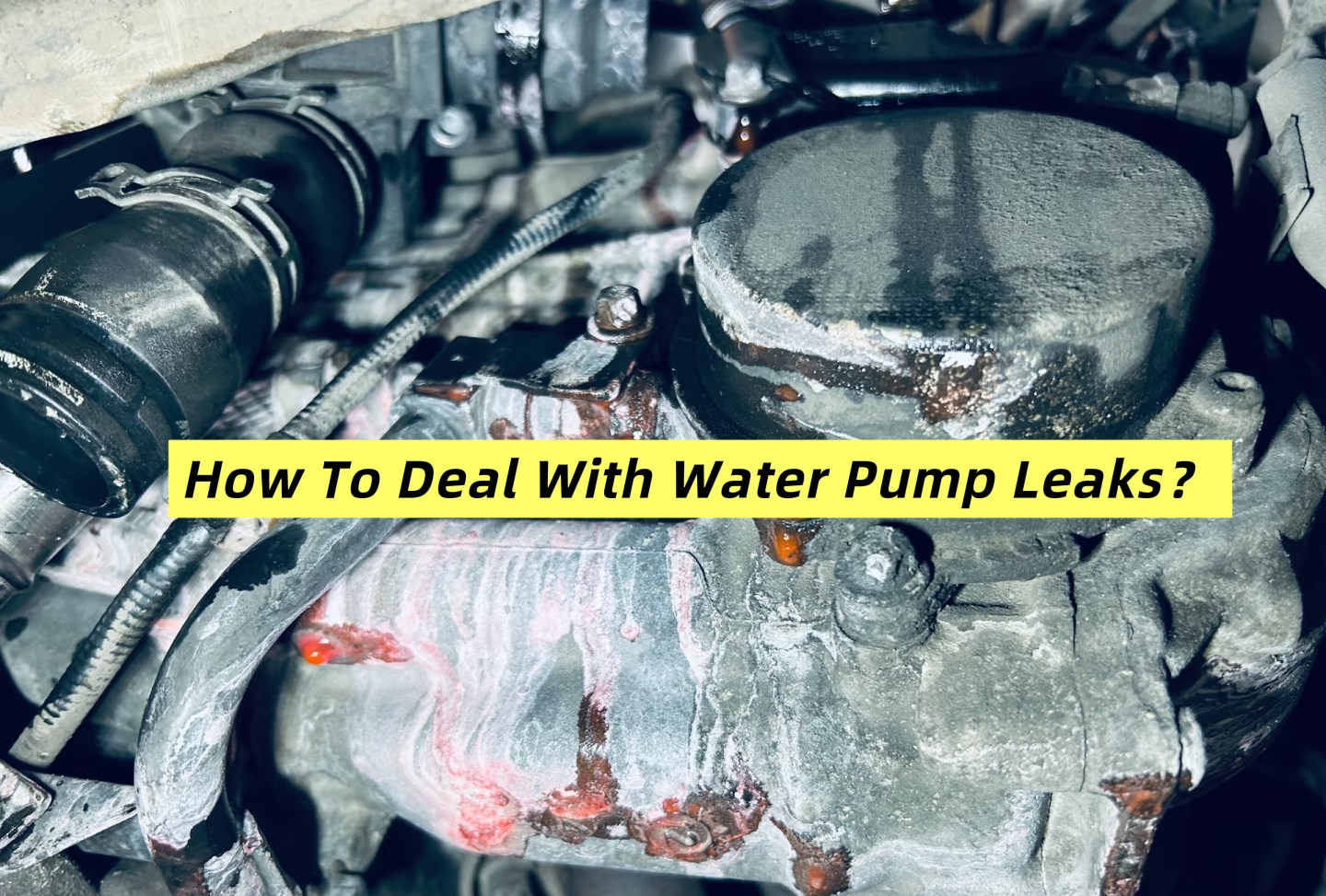
Jahutusvedelik võib olenevalt kasutatavast tüübist olla roheline, oranž või roosa. Erksavärvilise vedeliku kogunemine sõiduki esiosa lähedal viitab sageli jahutusvedeliku lekkele.
Pidevalt langev jahutusvedeliku tase on lekke kindel näitaja. Kontrollige radiaatorit või paisupaaki ainult siis, kui mootor on jahtunud, ja seejärel kontrollige, kas tase on stabiilne.
Kui mootori temperatuuri reguleerimiseks pole piisavalt jahutusvedelikku, võib tekkida ülekuumenemine. See võib põhjustada silindripeade deformeerumist, õli saastumist või sõiduki lõksu jäämist.
Magus, siirupine ja kergelt metalliline lõhn võib viidata jahutusvedeliku lekkele, eriti radiaatori või alumise plastkorpuse lähedal, kuhu jahutusvedelik võib koguneda.
Kui plaanite mootori jahutusvedelikku lisada või vahetada, valige oma sõidukile õige tüüp. Tutvuge alati sõiduki kasutusjuhendiga, sest seal on loetletud jahutusvedeliku spetsifikatsioonid, mis sobivad mootori ja jahutussüsteemi materjalidega.
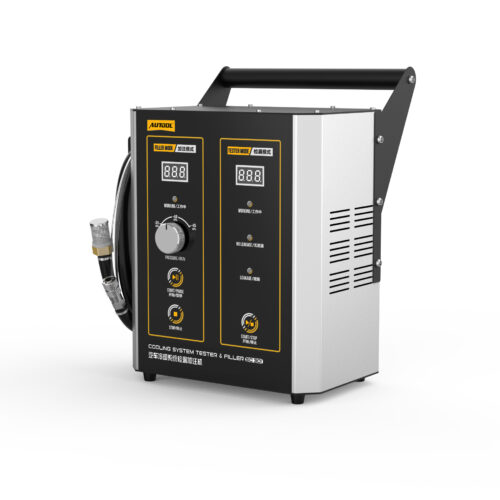
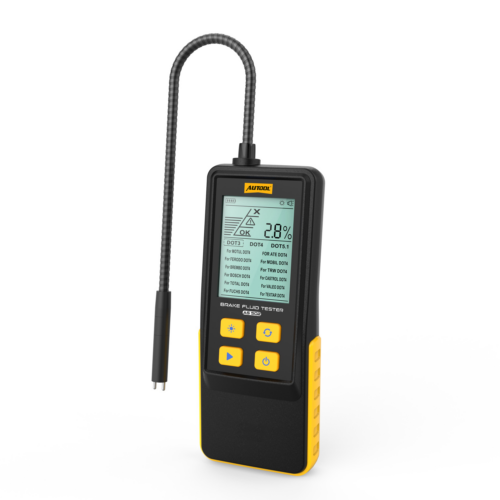
Jahutusvedeliku lihtsamaks ja puhtamaks vahetamiseks aitab jahutusvedeliku vahetusmasin õhku eemaldada ja süsteemi tõhusamalt täita. Algne artikkel juhtis lugejate tähelepanu järgmisele... AUTOOL SC301 Autode jahutusvedeliku lekke detektor ja täitmisseade jahutusvedeliku lekke testimiseks ja täitmiseks.
| Enne täiendamist | Kontrollige omaniku käsiraamatust õiget jahutusvedeliku tüüpi ja kontrollige aktiivsete lekete suhtes. |
|---|---|
| Enne süsteemi avamist | Enne radiaatori või paisupaagi korgi eemaldamist oodake, kuni mootor on jahtunud. |
| Jahutusvedeliku vahetamisel | Kasutage õiget jahutusvedelikku ja eemaldage lõksus olev õhk, et jahutussüsteem saaks korralikult ringelda. |
| Kui kahtlustatakse leket | Enne sõidu jätkamist kontrollige ja parandage leke, eriti turbomootoriga sõidukite puhul. |
Jahutusvedeliku leke võib esmapilgul tunduda väike, kuid jahutussüsteem on otseselt seotud turbolaaduri ja mootori seisukorraga. Madal jahutusvedeliku tase, halb ringlus või lekke hilinenud parandamine võivad põhjustada ülekuumenemist, peatihendi kahjustusi, turbolaaduri laagrite rikkeid ja korpuse pragusid.
Praktiline lähenemine on lihtne: kontrollige jahutusvedeliku taset, kui mootor on jahe, jälgige loike ja magusaid lõhnu, reageerige ülekuumenemisele kiiresti, kasutage õiget jahutusvedeliku tüüpi ja parandage lekked enne, kui need muutuvad suuremateks mootoriprobleemideks.
Seotud tooted
Renderdatud WooCommerce'i toote lühikoodi kaudu, nii et kaardid pärivad globaalse tootekaardi struktuuri ja Blocksy/WooCommerce'i stiilid.