Remonditeave
Teil võib vaja minna kliimaseadme külmutusagensi kontrolli!

mai 16, 2025
Jaga:
 autoolstore.com
Kliimaseadme külmaaine, mida mõnikord nimetatakse jahutusvedelikuks või freooniks, võib aja jooksul lekkida või halveneda. Sellisel juhul langeb kliimaseadme jõudlus, müra võib suureneda, jahutus võib lakata töötamast ning kompressor võib üle kuumeneda või kahjustuda.
See probleem muutub eriti märgatavaks kevade suveks muutudes, mil paljud autojuhid hakkavad külmaaine vahetamisele tähelepanu pöörama. Oluline ei ole külmaaine vahetamine kindla hooajalise ajakava alusel, vaid mõista, millal see tegelikult kontrolli vajab ja kuidas sellega õigesti ümber käia.
Et teha kindlaks, kas teie auto kliimaseadme külmaaine tase on madal, võite otsida mõnda levinud märki. Need kontrollid aitavad teil enne täitmist otsustada, kas süsteem vajab tõesti tähelepanu.
Kui konditsioneer ei jahuta enam tõhusalt, võib probleemi üheks põhjuseks olla madal külmutusagensi tase.
Mõnedel sõidukitel on külmutusagensi rõhu jälgimissüsteem, mis annab madala taseme korral hoiatuse.
Õliplekid, härmatis või muud nähtavad märgid kliimaseadme torustike ümber võivad viidata külmutusagensi kadumisele.
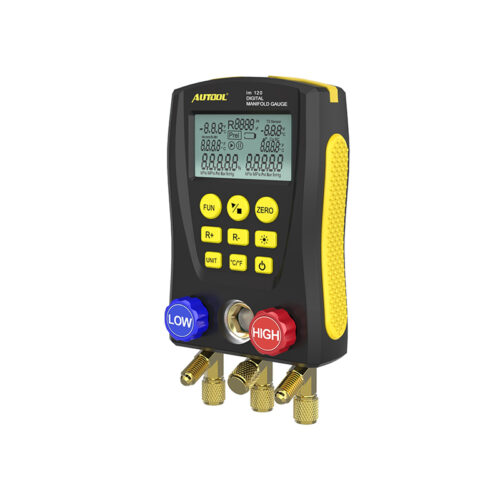
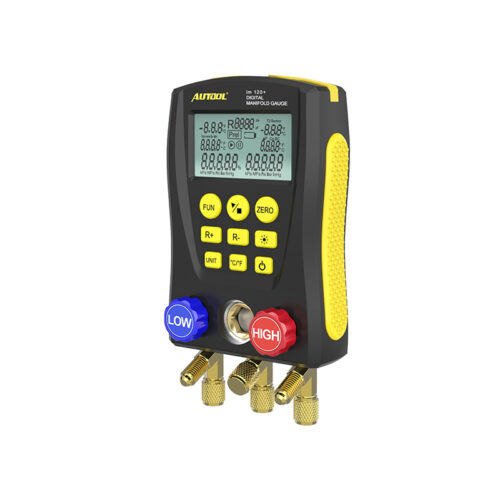
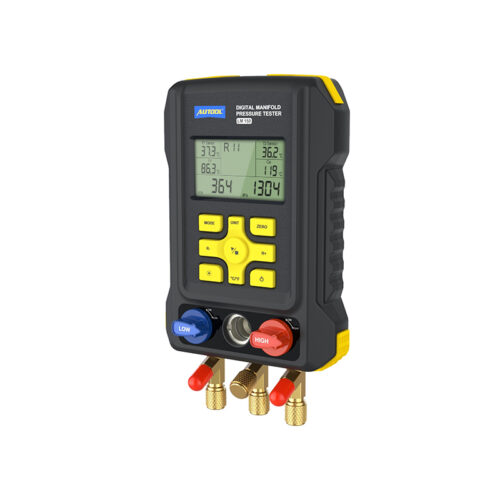
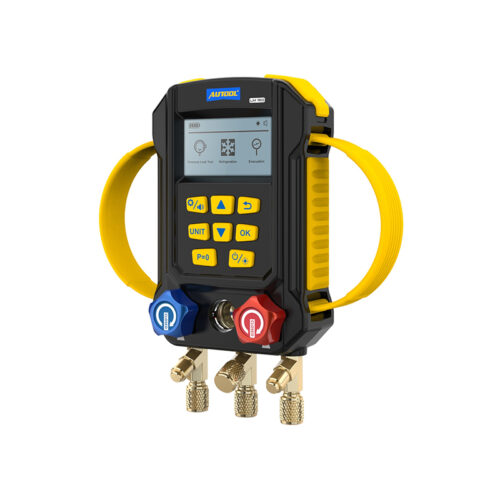
Vajadusel kasutage süsteemi täpsemaks kontrollimiseks külmutusagensi lekkedetektorit või elektroonilist kaalu.
Autode külmaainele ei ole kindlat vahetustsüklit. Autojuhid peaksid hindama selle seisukorda vastavalt sellele, kuidas autot kasutatakse ja kui hästi konditsioneer jahutab.
Kui süsteem ei jahuta tõhusalt, kontrollige, kas põhjuseks on madal külmaaine tase, ja lisage seda ainult vajadusel. Nõuetekohase hoolduse ja normaalsete sõiduharjumuste korral ei pea paljud juhid külmaainet kolme kuni nelja aasta jooksul lisama.
Erilised ettevaatusabinõud: Külmutusagens ei tohiks kunagi nahaga otse kokku puutuda ja laadimist ei tohiks teha sõiduki sees ega suletud ruumides.
Kui teil on külmaaine vahetamise osas küsimusi, on kõige kindlam lähenemisviis kõigepealt süsteem üle kontrollida, lekked parandada, kui need esinevad, ning kasutada õigeid taaskasutus- ja laadimisseadmeid. See väldib ajutisi parandusi ning kaitseb kompressorit ja teisi komponente.
Kui vajate tuge, kasutage ametlikke teeninduskanaleid, mitte vanu kontakte. Nõuetekohane diagnostika ja hoolikas laadimine hoiavad jahutussüsteemi stabiilsena ja aitavad sõidukil kuuma ilmaga ootuspäraselt töötada.
Seotud tooted
Renderdatud WooCommerce'i toote lühikoodi kaudu, nii et kaardid pärivad globaalse tootekaardi struktuuri ja Blocksy/WooCommerce'i stiilid.