AUTOOL مدونة, أدلة الشراء
كم مرة يجب عليك تغيير سائل الفرامل في سيارتك؟

نوفمبر 12, 2025
يشارك:
 autoolstore.com
معلومات الإصلاح
عندما نأخذ سياراتنا إلى وكالة بيع السيارات أو ورشة إصلاح لإجراء الصيانة الدورية، غالباً ما نتذكر أن نقول: "لا تنس تغيير زيت المحرك". معظم السائقين يعرفون بالضبط متى يجب تغيير الزيت.
لكن عندما يقول الفني: "سائل الفرامل الخاص بك يحتاج إلى تغيير"، يتوقف العديد من مالكي السيارات ويسألون عما إذا كان سائل الفرامل يحتاج حقًا إلى التغيير، أو متى تمت صيانته آخر مرة.
بالمقارنة مع زيت المحرك، يُعدّ سائل الفرامل بمثابة الحارس الخفي لنظام الفرامل. فهو يعمل بهدوء في كل مرة تضغط فيها على دواسة الفرامل، ويلعب دورًا حاسمًا في سلامة القيادة.
أساسيات نظام الفرامل
يعتقد معظم السائقين أن الضغط على دواسة الفرامل يُبطئ السيارة فحسب، ولكن وراء ذلك نظام هيدروليكي. فعند الضغط على الدواسة، تقوم الأسطوانة الرئيسية بتحويل قوتك إلى ضغط هيدروليكي.
سائل الفرامل هو الوسيط الذي ينقل الضغط إلى مكابح العجلات، مما يُولّد الاحتكاك اللازم لإيقاف السيارة. بعبارة أخرى، هو الرابط الحيوي بين قدمك وقوة كبح السيارة.
يُعاني سائل الفرامل من نقطة ضعف رئيسية: امتصاصه للرطوبة بسهولة. فعلى الرغم من أن نظام الفرامل مُحكم الإغلاق، إلا أن كميات صغيرة من الماء قد تتسرب بمرور الوقت عبر الخراطيم أو الوصلات أو الحلقات المطاطية.
عندما ترتفع نسبة الرطوبة في سائل الفرامل، تنخفض درجة غليانه. وهذا قد يُسبب انحباس البخار، أي أن فقاعات الهواء تعيق ضغط الزيت، مما يؤدي إلى ليونة دواسة الفرامل أو حتى تعطلها. كما أن الرطوبة قد تُسبب تآكل أنابيب الفرامل المعدنية ومكوناتها.
فترة الصيانة
لا توجد قاعدة عالمية واحدة، ولكن هذه الإرشادات شائعة الاستخدام بين المحترفين.
حتى لو لم تكن تقود السيارة كثيرًا، فإن سائل الفرامل يمتص الرطوبة من الهواء ويتدهور بمرور الوقت. يوصي العديد من مصنعي السيارات باستبدال سائل الفرامل كل 2 سنين أو 40,000 كمأيهما يأتي أولاً.
إذا كنت تقود لمسافات طويلة أو تستخدم الفرامل بشكل متكرر، كما هو الحال في حركة المرور داخل المدينة أو على الطرق الجبلية، فإن نظام الفرامل يعمل بجهد أكبر ويتدهور سائل الفرامل بشكل أسرع. في هذه الحالة، افحصه كل حوالي 40,000 كم.
إذا شعرت بأن دواسة الفرامل لينة أو إسفنجية، أو زادت مسافة الكبح، أو تباطأت استجابة الفرامل، أو ظهرت أصوات كبح غريبة، فقم بإجراء اختبار لسائل الفرامل في أسرع وقت ممكن.
إذا تحول لون السائل إلى اللون البني الداكن أو بدا عكراً، فقد يكون ملوثاً ويجب فحصه من قبل ورشة متخصصة.
الاختبار والتكلفة
بدلاً من التخمين بشأن موعد تغيير سائل الفرامل، دع البيانات ترشدك في اتخاذ القرار. يشعر العديد من مالكي السيارات بالقلق حيال تكلفة فحص سائل الفرامل، لكنها عادةً ما تكون في متناول اليد.
في معظم البلدان، يُعد فحص سائل الفرامل الأساسي جزءًا من الصيانة الدورية للسيارة. أما إذا تم إجراؤه بشكل منفصل، فعادةً ما يكون مكلفًا. من 20 إلى 50 دولارًا.
تتراوح تكلفة تغيير سائل الفرامل بالكامل أو تنظيف سائل الفرامل عادةً بين 70 دولارًا و200 دولارًاوتختلف التكلفة باختلاف نوع المركبة. عادةً ما تكون السيارات الصغيرة أرخص، بينما تكلف السيارات الفاخرة أو الكبيرة أكثر لأنها قد تتطلب أنواعًا محددة من السوائل ومزيدًا من العمل.
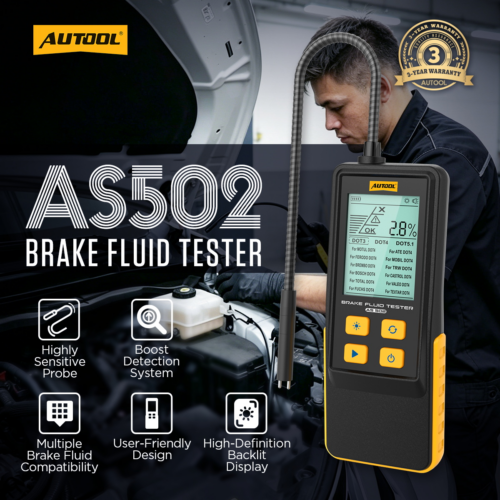
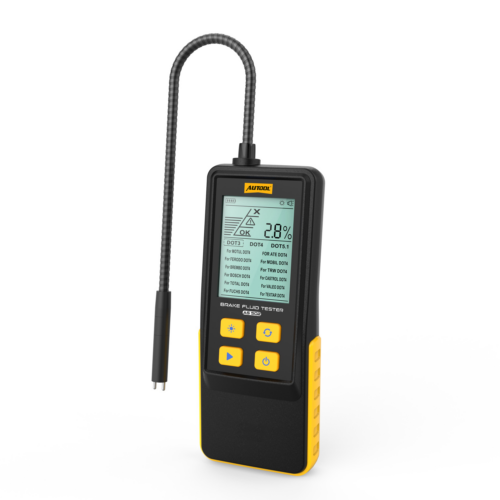
تُعدّ طريقة الاختبار مهمة. يعتمد أسلوب الفحص التقليدي، الذي يعتمد على المظهر الخارجي، بشكل كبير على خبرة الفني، وهو ليس دقيقًا جدًا. أما الأدوات الاحترافية، مثل... جهاز فحص سائل الفرامل و أ مقياس نقطة الغليان يمكن قياس محتوى الماء وتدهور الأداء بشكل مباشر أكثر.
أدوات فحص سائل الفرامل
استخدم بيانات الاختبار لتحديد ما إذا كان ينبغي تغيير سائل الفرامل بدلاً من الاعتماد فقط على اللون أو الملمس.
طريقة الاستبدال
بالنسبة للميكانيكيين، كان تغيير سائل الفرامل عملية تستغرق وقتًا طويلاً وتُسبب فوضى. تتضمن الطريقة التقليدية سحب السائل القديم يدويًا، وسكب السائل الجديد، وتفريغ الهواء من كل عجلة. قد تستغرق هذه العملية أكثر من 40 دقيقة.
كما أن العملية التقليدية تنطوي على خطر انحباس الهواء داخل النظام، مما قد يقلل من أداء الكبح.
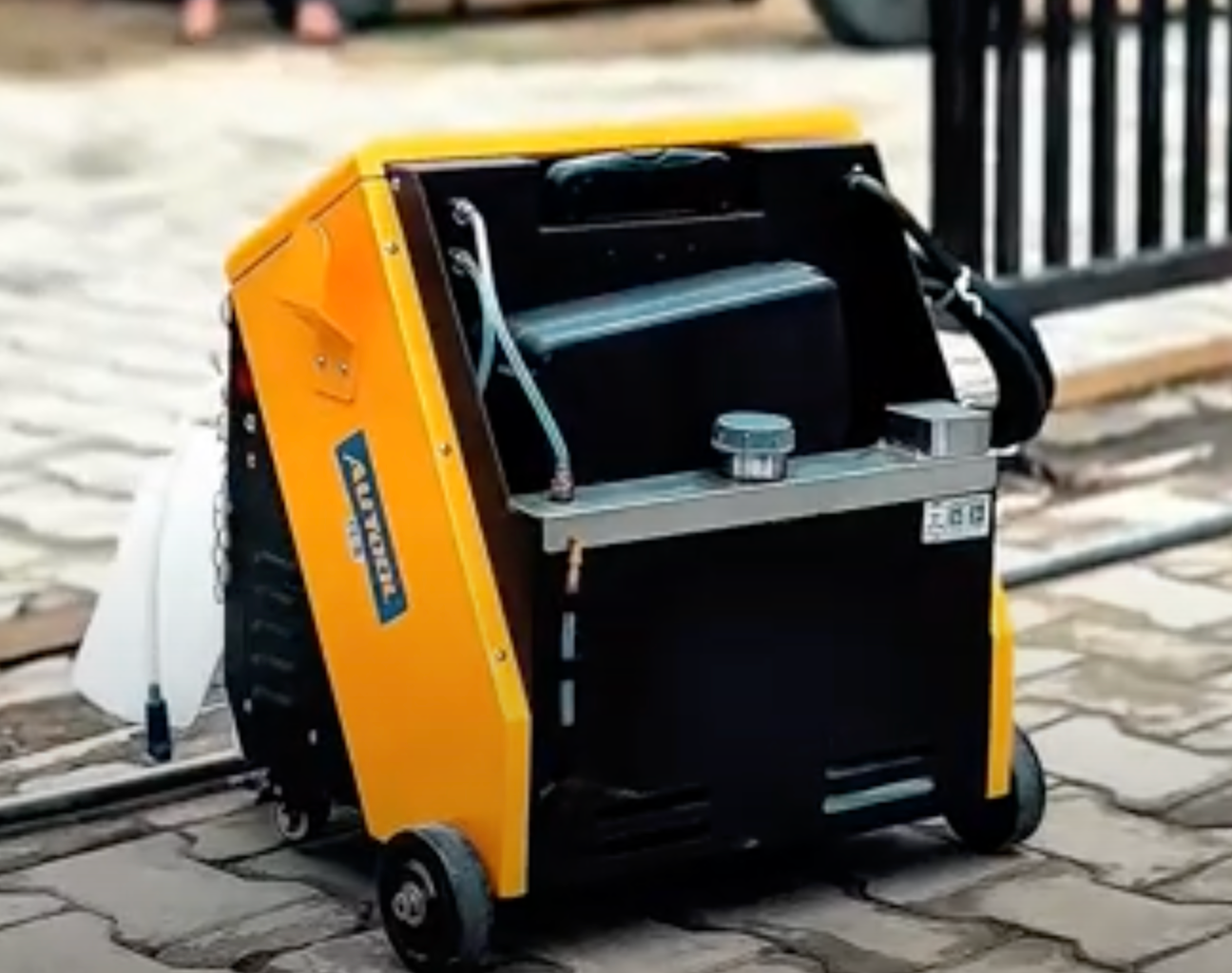
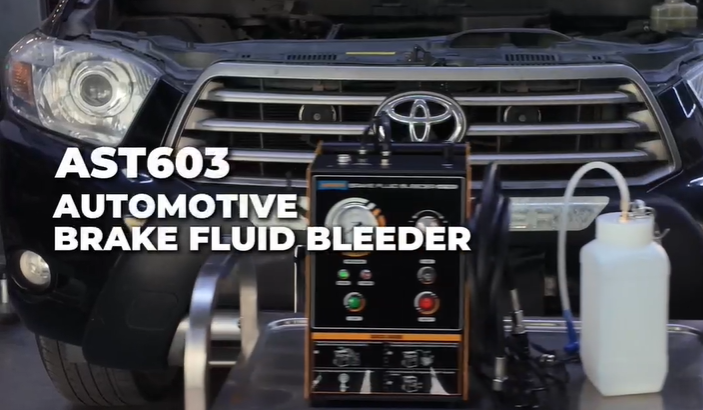
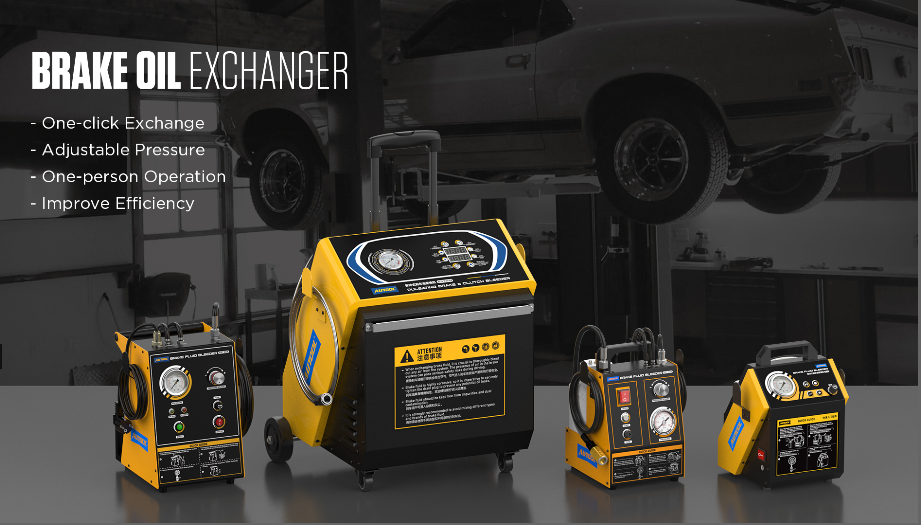
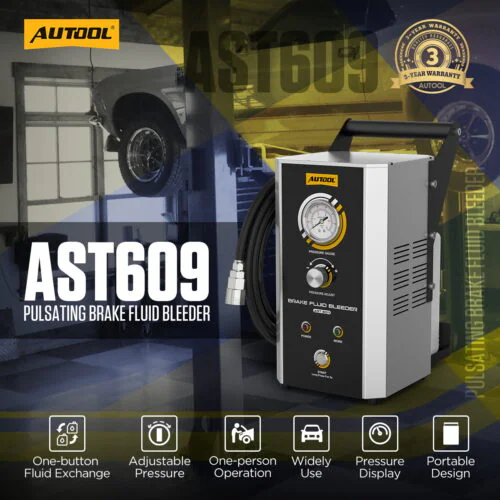
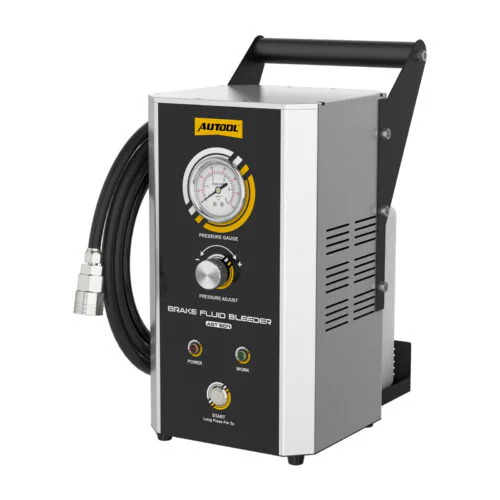
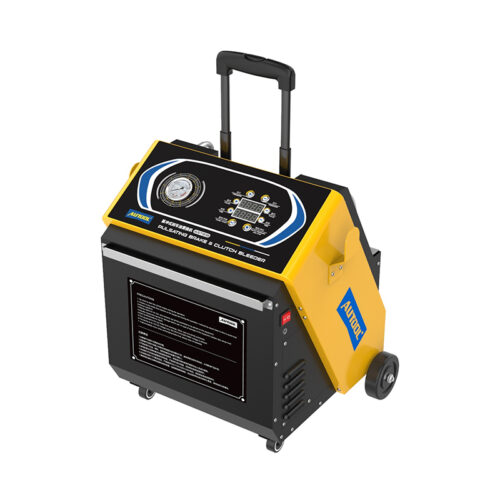
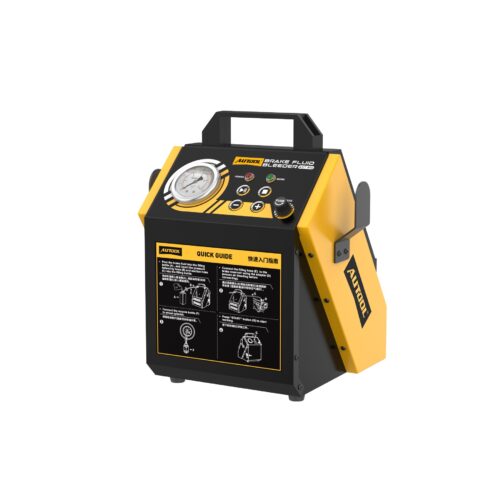
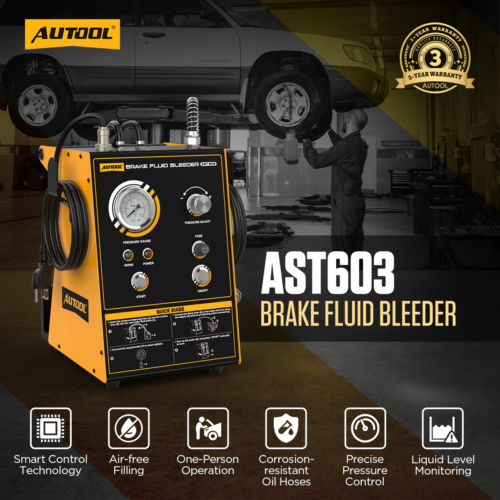
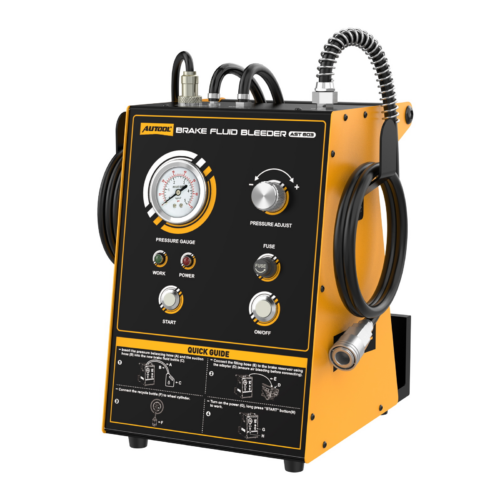
لقد غيّرت آلات تنظيف سائل الفرامل الحديثة سير العمل. على سبيل المثال، AUTOOL AST618 جهاز تغيير سائل الفرامل تستخدم تقنية الاهتزاز النبضي لتنظيف السوائل القديمة والشوائب، مما يساعد على منع الانسداد. كما يساعد نظام الضغط السلبي على منع دخول الهواء إلى الأنابيب.
يمكن للآلة خدمة جميع العجلات الأربع في وقت واحد، مما يقلل المهمة إلى حوالي 10 دقائق وتوفير الوقت لكل من الميكانيكي ومالك السيارة.
أدوات تغيير سائل الفرامل
بالنسبة للمتاجر المتخصصة، يمكن لمعدات تغيير سائل الفرامل أن تجعل خدمة التنظيف أسرع وأنظف وأكثر اتساقًا.


نوع السائل
من التفاصيل الصغيرة ولكن الحاسمة أثناء تغيير سائل الفرامل استخدام النوع الصحيح من السائل. تتوفر سوائل الفرامل بدرجات مختلفة مثل: DOT3, DOT4، و DOT5، مع DOT4 كونها الأكثر شيوعاً.
لكل نوع درجة غليان وخصائص كيميائية مختلفة. قد يؤدي خلطها إلى تفاعلات كيميائية وتلف الأختام المطاطية. لذا، يُرجى مراجعة دليل السيارة للاطلاع على المواصفات الموصى بها أو استشارة فني مختص قبل إضافة الزيت.
تُعدّ المكابح خط الدفاع الأخير، وسائل المكابح هو شريان الحياة لهذا النظام. يساعد فحص سائل المكابح بانتظام، وتغييره في الوقت المناسب، وتنظيف نظام المكابح بشكل صحيح، على الحفاظ على سلامة السيارة واستجابتها في كل مرة تضغط فيها على المكابح.
اتصال AUTOOL
اتصال AUTOOL لمعرفة المزيد عن مجموعات تنظيف سائل الفرامل. يمكن للعملاء الجدد الاستمتاع بـ خصم 10% وتشمل المنتجات المختارة ما يلي: ضمان لمدة 3 سنوات.
المنتجات ذات الصلة
يتم عرضها من خلال رمز WooCommerce المختصر للمنتج بحيث ترث البطاقات بنية بطاقة المنتج المستخدمة في تخطيط المنشور المرجعي.